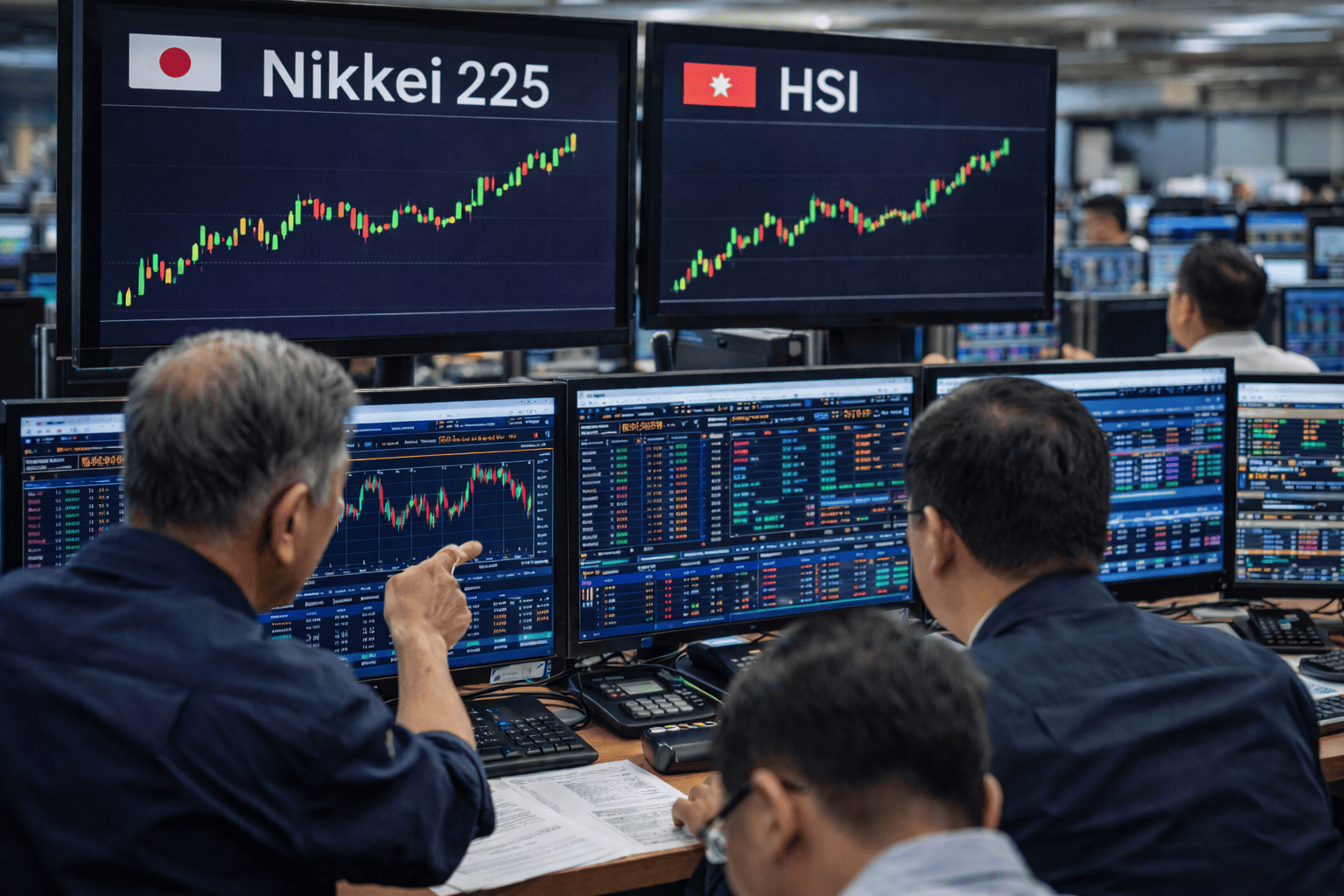
SpaceX (NASDAQ: SPCX) shares are under renewed pressure this morning after the company aborted its 13th Starship test flight just before liftoff due to multiple engine failures. The setback adds to a growing bearish narrative that has already built a $25 billion short wall against Elon Musk's space and AI conglomerate.
As of the latest data, approximately 185 million SPCX shares are sold short, representing nearly 29% of the publicly tradeable float — a dramatic increase from roughly 7% just a few weeks ago. The stock now trades near $124, about 8% below its initial public offering (IPO) price of $135.
Why Short Sellers Are Piling In
The surge in short interest reflects three primary concerns: SpaceX's lofty valuation, its heavy corporate debt load, and an impending wave of insider share unlocks. At roughly 90 times sales, the company faces relentless pressure to execute flawlessly — a challenge underscored by today's Starship failure.
SpaceX recently issued $25 billion in bonds to finance capital-intensive AI infrastructure and rocket development, sparking debate over long-term profitability timelines. Moreover, because the IPO float comprised only 5% of the total 13 billion shares outstanding, a massive portion of insider equity remains restricted. Bears anticipate that as major tranches unlock — starting with an 11% tranche tied to Q2 earnings — the sudden influx of tradable stock will dilute buyers and further depress prices.
What Rising Short Interest Means for Investors
For both retail and institutional investors, the sharp rise in short selling signals a period of intense near-term volatility and a fundamental shift in market psychology. The post-IPO euphoria has clearly unwound, with Wall Street now demanding concrete financial accountability after the firm reported multi-billion-dollar losses last year.
With nearly a third of the float heavily shorted, SPCX shares are highly sensitive to both technical and fundamental developments. Any overwhelmingly positive catalyst — such as a successful Starship launch or a surprise earnings beat — could force short sellers to rapidly cover their positions, triggering an intense short squeeze. This dynamic has drawn comparisons to classic meme stock setups, though SpaceX's massive market cap and institutional ownership make a pure meme-style rally less certain.
For more context on the lockup and short interest dynamics, see our earlier coverage: SpaceX Stock Slips 2% as Lockup, Short Interest Weigh on Sentiment and SPCX Becomes Wall Street's Most Shorted New IPO as Short Interest Hits 28% of Float.
Wall Street's Bullish Consensus Remains
Despite the rising short interest and the Starship test flight failure, Wall Street analysts remain broadly optimistic. Of the 33 analysts covering SPCX, 24 rate it a Buy. The consensus price target stands at approximately $235, implying a potential rally of nearly 90% over the next 12 months.
This bullish outlook hinges on SpaceX's dominant position in satellite internet (Starlink), reusable rocket technology, and its growing AI infrastructure business. However, the path to that target is fraught with near-term headwinds, including the lockup expiration, debt servicing costs, and operational execution risks.
For a broader view of post-IPO volatility, see SpaceX Stock Dips Below $135 IPO Price Amid Post-Listing Volatility.
This article is for informational purposes only and does not constitute financial advice.