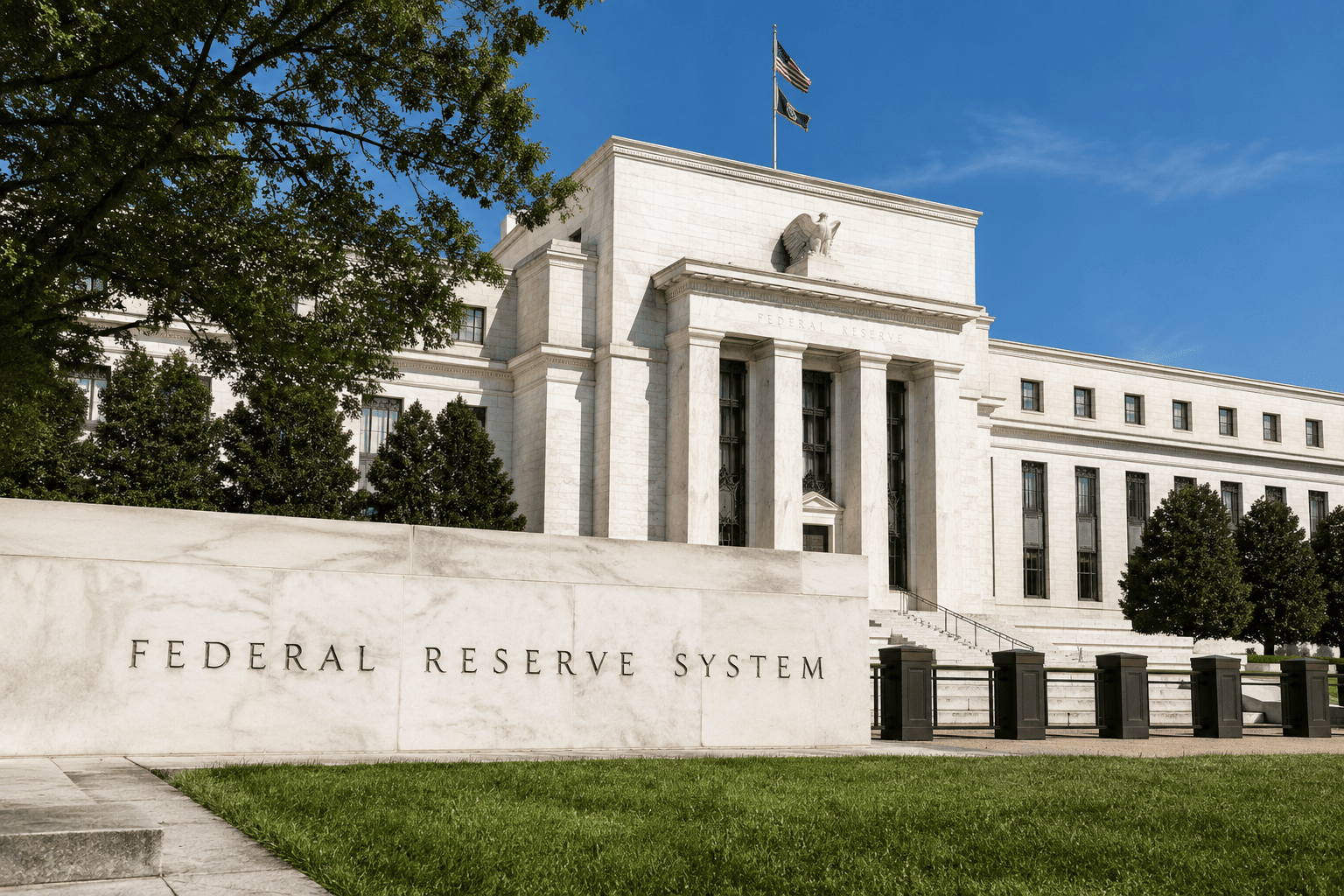
The Federal Reserve's June policy meeting, scheduled for June 16-17, marks a pivotal moment for financial markets as newly installed Chair Kevin Warsh leads his first Federal Open Market Committee (FOMC) gathering. While no rate change is anticipated, the event carries significant weight given the shifting macroeconomic landscape and heightened political scrutiny.
Inflation Remains Sticky
The economic backdrop confronting Warsh is more complex than many forecasters predicted at the start of the year. The Personal Consumption Expenditures Price Index, the Fed's preferred inflation gauge, rose 0.4% in April and stood 3.8% above year-ago levels. Core PCE, which strips out volatile food and energy components, registered at 3.3% annually—still well above the central bank's 2% target.
Rising oil prices, fueled by ongoing geopolitical tensions, have added to concerns that inflation could remain stubbornly elevated. JP Morgan Wealth Management noted that cutting rates with inflation nearly two percentage points above target would be difficult to justify, especially if energy costs stay high. Producer price data have also accelerated recently, signaling that businesses continue to face rising input costs that may eventually pass through to consumers.
Labor Market Resilience Reduces Urgency for Easing
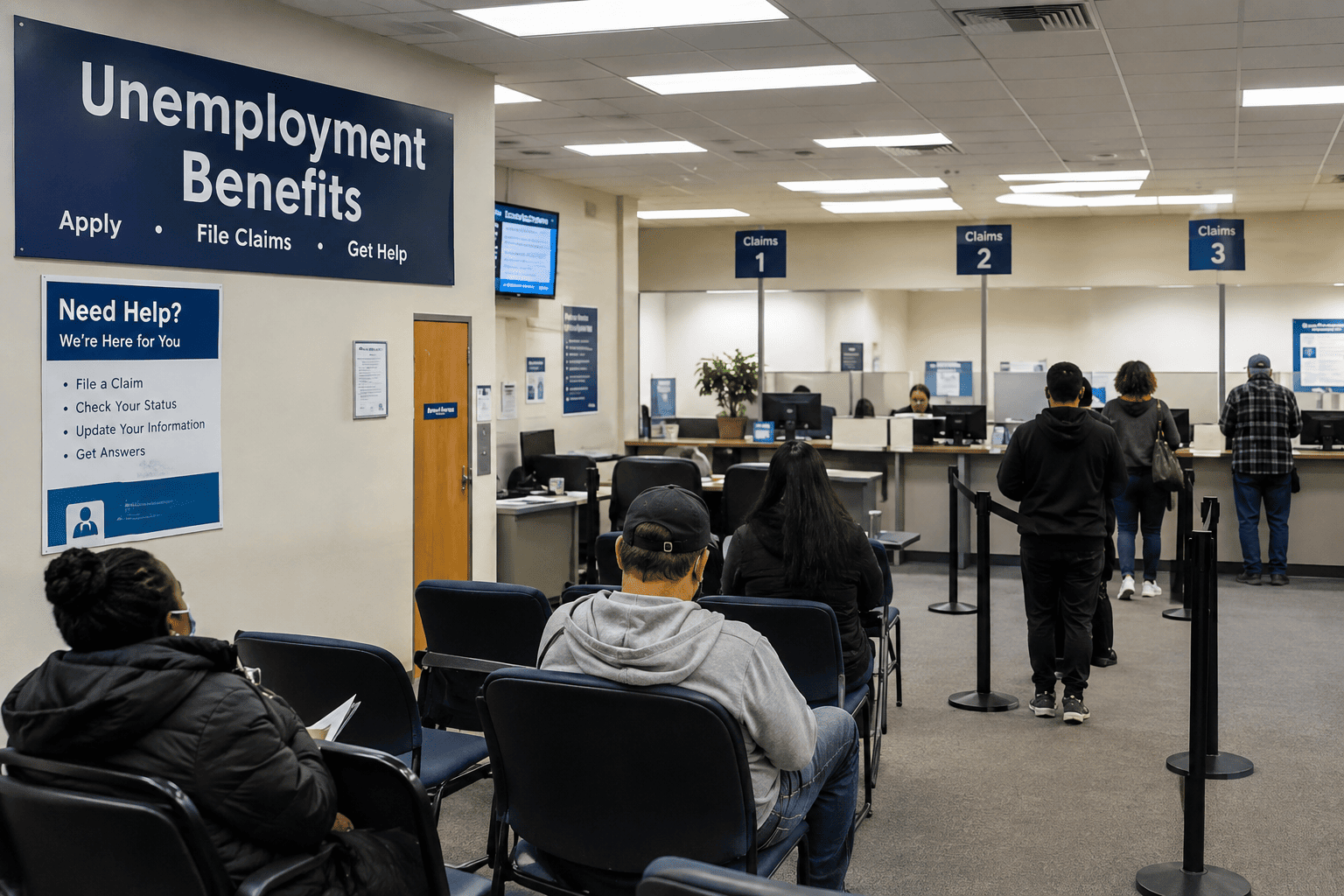
The strength of the labor market further diminishes the case for immediate rate cuts. Employers added 172,000 jobs in May, surpassing economists' expectations, while the unemployment rate held steady at 4.3%. Commerzbank observed that the Fed's maximum employment mandate currently offers little support for easing, as job creation remains solid and unemployment has stabilized near levels policymakers view as consistent with long-run equilibrium.
“Since the inflation rate is well above the Fed's 2% target and is actually moving further away from it, a rate cut would only be justified if the Fed were to completely miss its second goal of full employment,” Commerzbank said. The brokerage noted that unemployment reached 4.6% last autumn, prompting three rate cuts, but conditions have since improved considerably.
Warsh's Approach to Inflation and Political Dynamics
Warsh enters office with a distinct challenge. During his confirmation hearing in April, he acknowledged that inflation remains a pressing concern for households and businesses. He emphasized the importance of distinguishing between temporary price shocks and underlying inflation trends, stating, “What I'm most interested in is what's the underlying inflation rate.”
His first meeting also unfolds under the shadow of political expectations. President Donald Trump selected Warsh after repeatedly criticizing former Chair Jerome Powell for not lowering rates more aggressively. While Trump has publicly stated that Warsh should make independent decisions, he has also reiterated that he sees little reason for higher interest rates.
Commerzbank outlined two potential paths for Warsh: vote for an immediate rate cut to align with Trump's preferences—risking isolation from other FOMC members—or maintain current policy while gradually building support for future easing. The bank considers the latter scenario more likely and more promising for Warsh's long-term credibility.
For more on Warsh's nomination process, see Warsh Fed Nomination Faces Multi-Front Scrutiny Ahead of Senate Banking Hearing.
What Markets Will Watch
Investors will focus less on the rate decision itself and more on Warsh's communication style and the updated economic projections. Key areas of interest include the Fed's inflation outlook, growth forecasts, and any signals about the timing of potential rate adjustments. According to CME FedWatch data, roughly two-thirds of traders now expect at least one rate increase before the end of 2026.
For context on broader market movements, see Dow Adds 353 Points on SpaceX Debut, Iran Deal Optimism.
This article is for informational purposes only and does not constitute financial advice.