NASA Contract Fuels Pre-Market Rally for Space Stock
Shares of Voyager Technologies experienced significant upward momentum during Thursday's premarket session following a major contract announcement from the National Aeronautics and Space Administration. The company was selected to conduct a private astronaut mission to the International Space Station, a development that propelled its stock price higher by roughly 6% to $31.80 ahead of the market open. This movement extended gains from after-hours trading where the stock had climbed as much as 9.5%.
Details of the VOYG-1 Mission
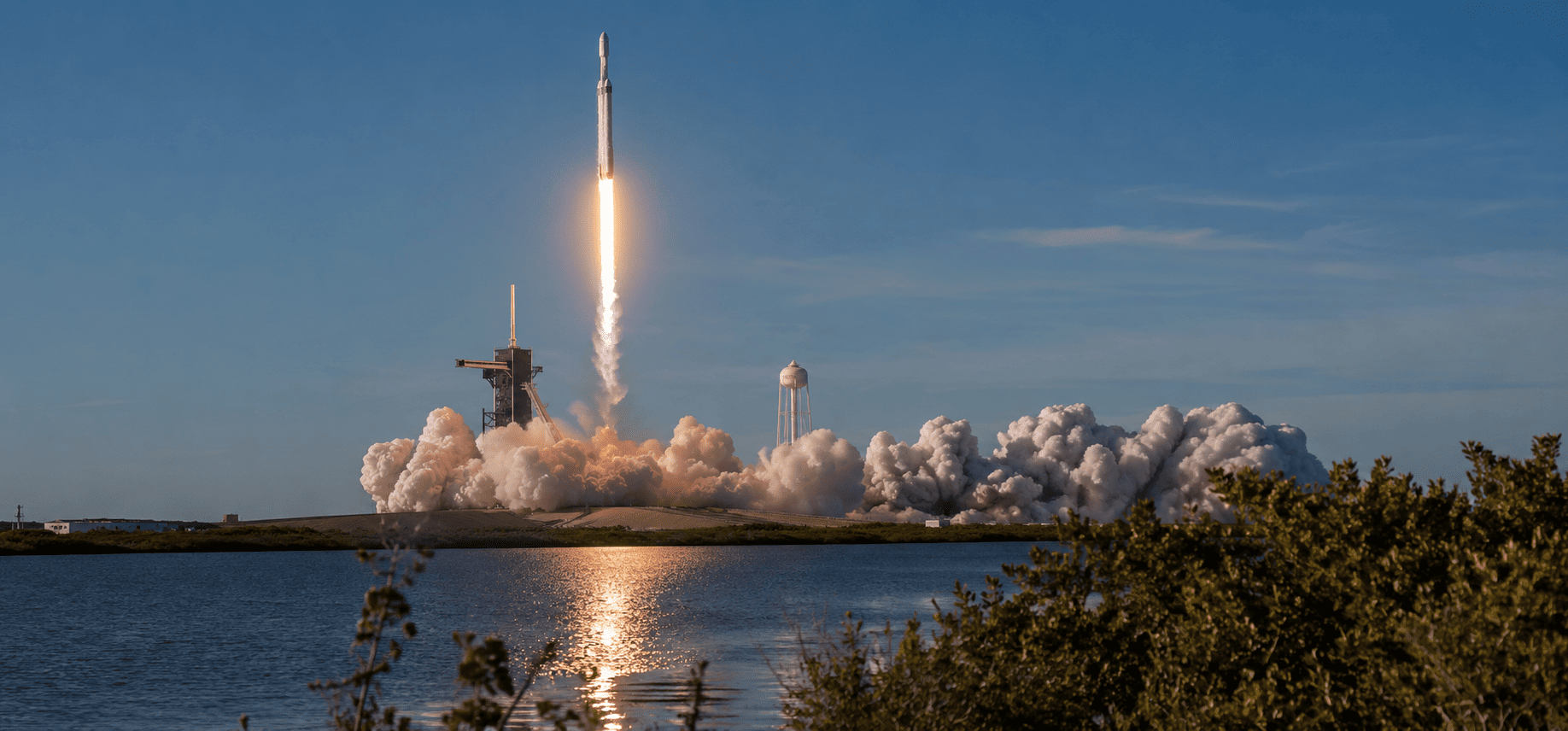
The mission, officially designated VOYG-1, represents the seventh private astronaut mission contracted by NASA to the ISS and marks Voyager's first selection for such an endeavor. The launch is currently scheduled for no earlier than 2028 from a facility in Florida, with the crew expected to remain aboard the orbiting laboratory for a duration of up to two weeks. This contract is a component of NASA's strategic initiative to transition low-Earth orbit operations to commercial entities. Voyager will be responsible for providing critical technology and services, which include life-support systems and crew operations protocols.
"This award reflects decades of partnership with NASA and validates our belief that the infrastructure being built in low-Earth orbit today is the launchpad for humanity's future in deep space," stated Dylan Taylor, Chairman and Chief Executive Officer of Voyager. The mission is also anticipated to serve as a testing platform for integrated systems and technologies with potential applications for future lunar and deep-space exploration programs.
Strategic Positioning in Commercial Space Infrastructure
The contract award underscores Voyager's expanding footprint within the commercial space sector. The company has been actively developing capabilities across several domains, including space technology, mission management, and infrastructure development. Its portfolio includes contributions to the International Space Station's first commercial airlock and participation in the development of the Starlab commercial space station. Furthermore, Voyager has made an investment in Max Space, a firm focused on creating expandable habitat technology designed for lunar missions.
The VOYG-1 mission is viewed as a pivotal step in advancing the company's human spaceflight objectives, creating a bridge between current low-Earth orbit activities and future commercial space stations and deep-space platforms. Company statements indicate the mission aligns with an expanded focus on lunar exploration, highlighting its strategic positioning for the next phase of space infrastructure development.
Investor Sentiment and Sector Context
The announcement arrives during a period of renewed investor attention on space-related equities, partly driven by anticipation surrounding upcoming missions like Artemis II, which could signal a new chapter in space exploration. Voyager, which became a public company via an initial public offering in June, has experienced notable share price volatility since its market debut, with the stock declining 47% from its listing price prior to this announcement. The NASA contract appears to have served as a positive catalyst, bolstering investor confidence regarding the firm's long-term growth trajectory.
More broadly, the agreement exemplifies the growing collaboration between government space agencies and private corporations as the industry continues its shift toward commercialization. The deal reflects a trend where public sector entities are leveraging private sector innovation and capital to advance space exploration goals. As the industry evolves, such partnerships are becoming increasingly critical for mission success and cost efficiency.
With the VOYG-1 mission scheduled for the latter part of this decade, successful execution will be crucial for Voyager as it seeks to convert this significant milestone into sustained operational momentum and shareholder value. The company's ability to deliver on the technical and logistical requirements of the mission will be closely watched by both the space industry and the investment community. The development occurs alongside other significant market movements, such as global equities reaching record highs and notable activity in other sectors, including rising European defense spending.
This article is for informational purposes only and does not constitute financial advice.