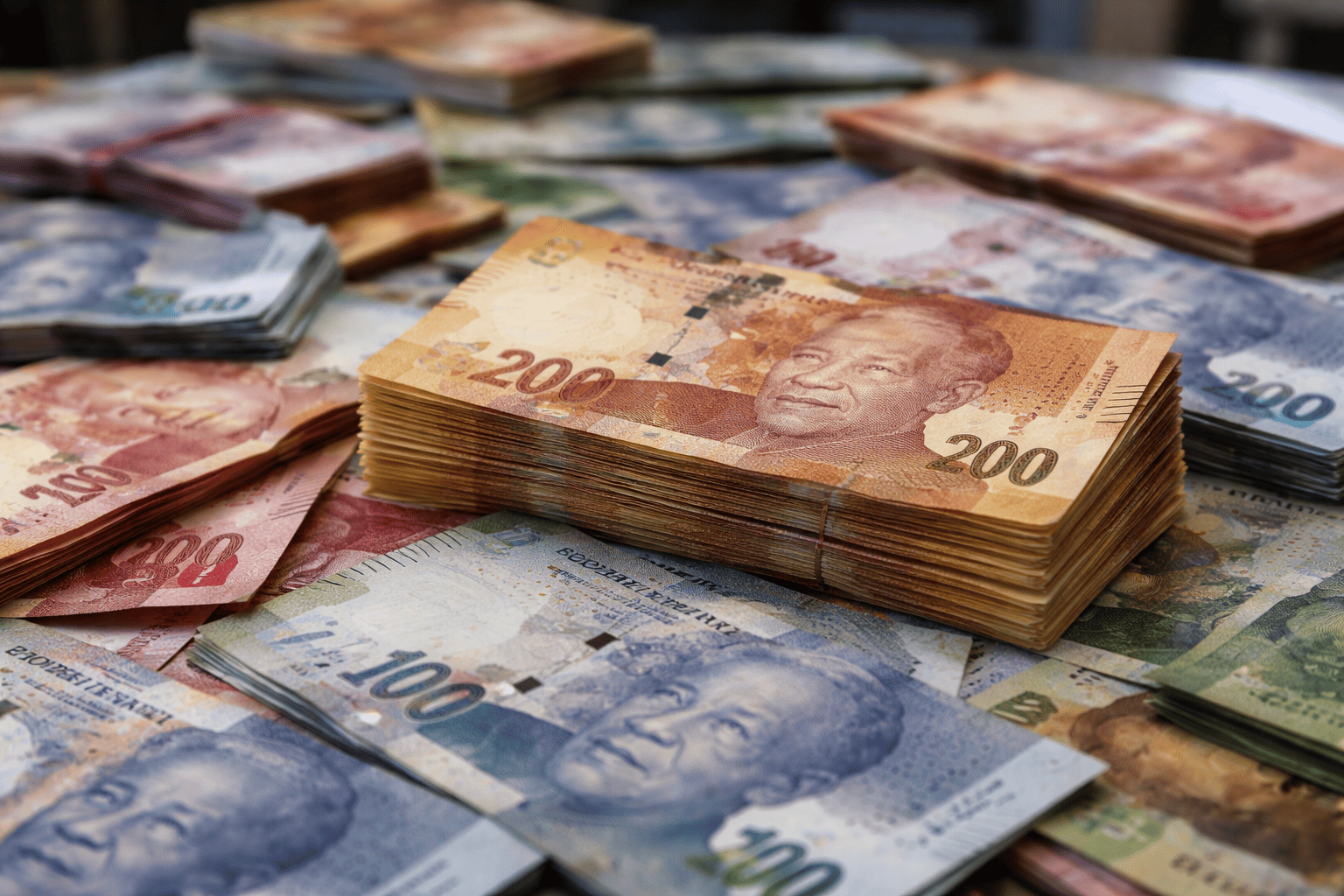
The USD/ZAR pair has been under pressure in recent weeks, trading around 16.37 after a brief spike to 16.50 on Wednesday. The pair's movement reflects a complex interplay of geopolitical tensions, commodity price fluctuations, and central bank policy expectations.
Geopolitical Tensions and Oil Prices
Renewed hostilities between the US and Iran have driven crude oil prices higher, as President Donald Trump declared an end to the truce. This escalation raises concerns about potential disruptions at the Strait of Hormuz, a critical chokepoint for global oil shipments. The timing is particularly sensitive given that US and global oil inventories remain at dangerously low levels. Trump himself acknowledged that oil market worries influenced his decision to pursue a unilateral agreement with Iran.
For South Africa, rising oil prices exacerbate inflationary pressures. The country's headline CPI jumped to 4.5% in May from 3% in February, remaining above the central bank's target since March. This trend has prompted the South African Reserve Bank (SARB) to signal potential further rate hikes. At the European Central Bank forum in Portugal, SARB's governor hinted that additional tightening may be necessary later this year. The bank has already raised rates to 7% in 2025, and markets anticipate at least one more increase.
Commodity Headwinds
The rand has also faced headwinds from the metals sector. Gold, a key South African export, has plunged to $4,080—down 27% from its 2025 high. Platinum and palladium prices have also retreated, further weighing on the country's export revenues and currency.
Federal Reserve Policy Outlook
Meanwhile, the Federal Reserve's policy trajectory remains uncertain. Minutes from the latest FOMC meeting revealed divergent views among members. Some officials advocated for rate cuts later this year, contingent on falling inflation, while others supported further hikes given persistent inflation above the 2% target. The Fed's stance directly impacts the USD/ZAR pair through carry trade dynamics. Historically, the rand attracts demand when SARB hikes rates, as higher yields make South African assets more appealing.
Looking ahead, the next major catalyst for USD/ZAR will be the upcoming US inflation report, scheduled for release next week. This data could provide clarity on the Fed's next move and influence the pair's direction.
Technical Analysis: Falling Wedge Pattern
On the daily chart, USD/ZAR has declined from a March high of 17.25 to the current 16.35 level. The pair is now consolidating around its 25-day and 50-day exponential moving averages (EMAs). Notably, a falling wedge pattern has formed, characterized by two descending and converging trendlines. This pattern typically signals a bullish breakout. If the breakout materializes, the next target could be the psychological resistance at 17.00. Conversely, a breakdown below the wedge's lower boundary would indicate further downside.
For related coverage, see Oil Spikes on US-Iran Strikes, But Analyst Forecasts Signal Caution Ahead and Dow Plunges 509 Points as Trump's Iran Remarks Trigger Oil Surge, Inflation Fears.
This article is for informational purposes only and does not constitute financial advice.