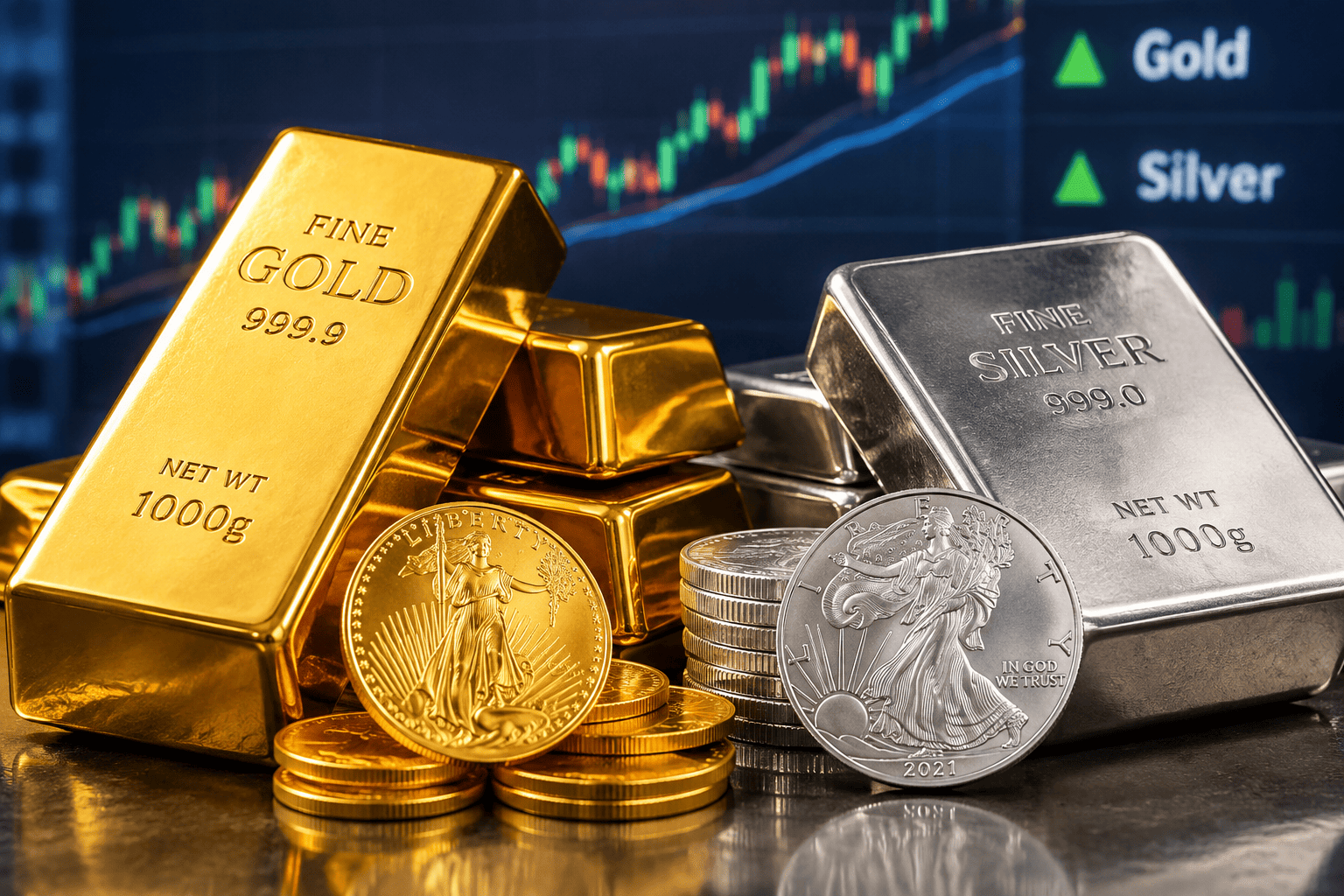
Gold is failing to act as a traditional safe haven as the latest escalation in US-Iran tensions feeds the very risk that undermines bullion: higher inflation and tighter monetary policy. Spot gold fell around 0.4% to near $4,060 an ounce in early trading on Thursday, touching its lowest level in more than a week, while US gold futures for August delivery also declined.
The pullback came after President Donald Trump declared that an interim agreement to end the Iran conflict was “over,” and the US military launched fresh strikes to keep the Strait of Hormuz open. The renewed fighting pushed oil prices higher, reviving concerns that central banks may need to keep borrowing costs restrictive for longer.
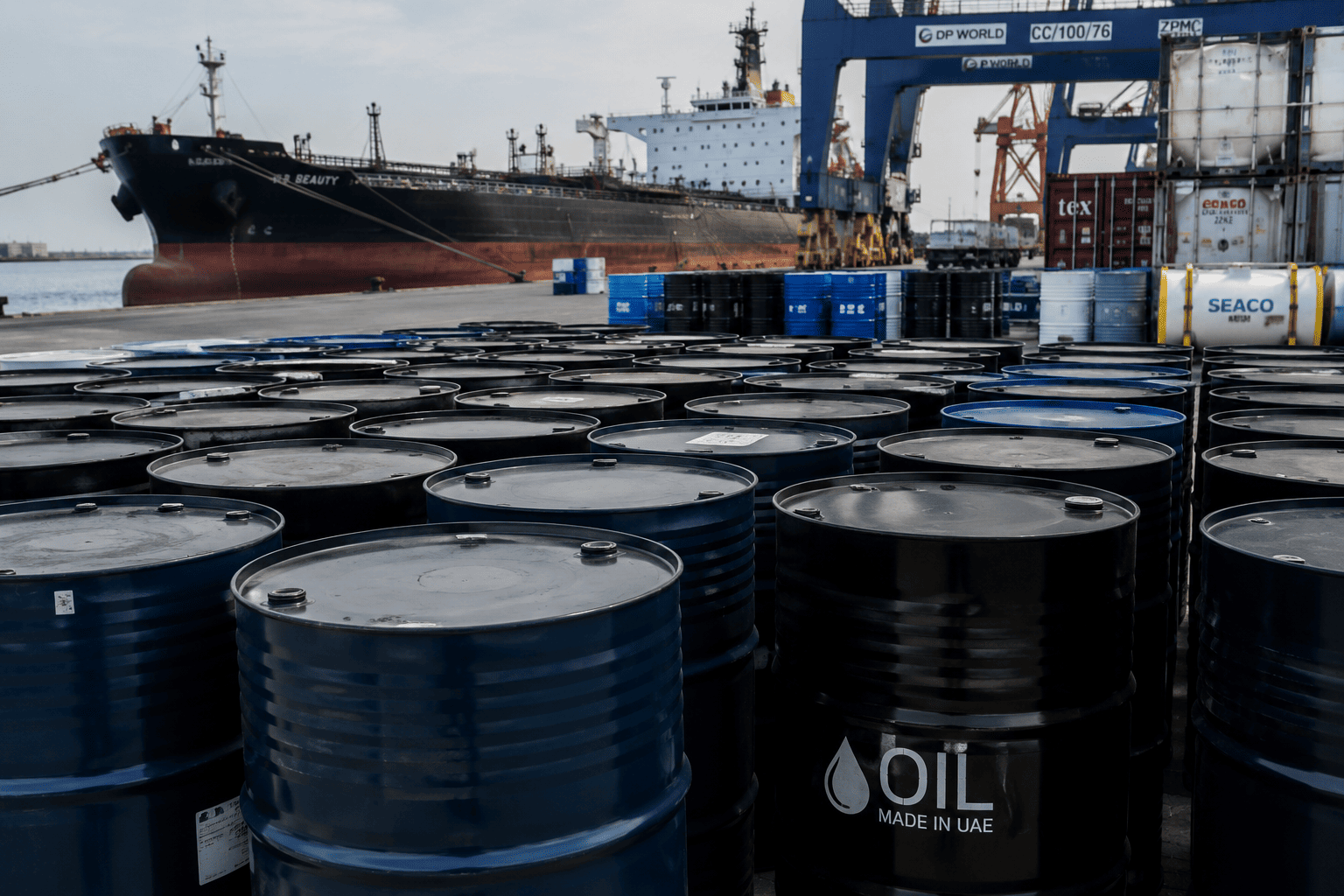
“The oil shock is turning into a rate problem,” analysts noted. Higher crude prices can quickly lift inflation expectations, strengthen the dollar, and push bond yields higher. While gold is often described as an inflation hedge, that relationship weakens when inflation forces markets to price in higher interest rates. Since bullion pays no income, it tends to struggle when cash and bonds become more attractive.
The hawkish tilt from the Federal Reserve added to the pressure. The latest Fed minutes showed policymakers expressed deeper concern that price increases were becoming broader, with some seeing a case for higher borrowing costs before the committee held rates steady in June. That sentiment helps explain why Bank of America cut its 2026 average gold forecast by 14% to $4,360 an ounce. The bank still sees long-term upside once the tightening cycle ends, but the near-term message is cautious: a hawkish Fed can cap gold even when geopolitics is supportive.
The IMF also lowered its 2026 global growth forecast to 3.0%, citing risks from the Middle East war, trade fragmentation, and potential AI-related market corrections. That slower-growth backdrop may eventually support gold, but it is being overshadowed for now by inflation and rate risk.
Despite the headwinds, structural supports remain. Tanzania’s central bank has bought about 28 metric tons of gold over the past 18 months to strengthen reserves and support the shilling, a reminder that official-sector demand is still active. For broader market context, see our coverage of Evening Digest: Oil Surges 5% on US-Iran Tensions; Bitcoin Dips Below $62K and FTSE 100 Drops 1.3% as Trump Remarks Reignite Middle East Tensions, Oil Surges.
Elsewhere in precious metals, silver eased as India’s import restrictions created local shortages and pushed domestic premiums to six-month highs despite soft demand. Spot silver fell, while platinum and palladium edged higher. The divergence shows that precious metals are trading less as a unified block and more on their own policy, supply, and demand stories.
This article is for informational purposes only and does not constitute financial advice.