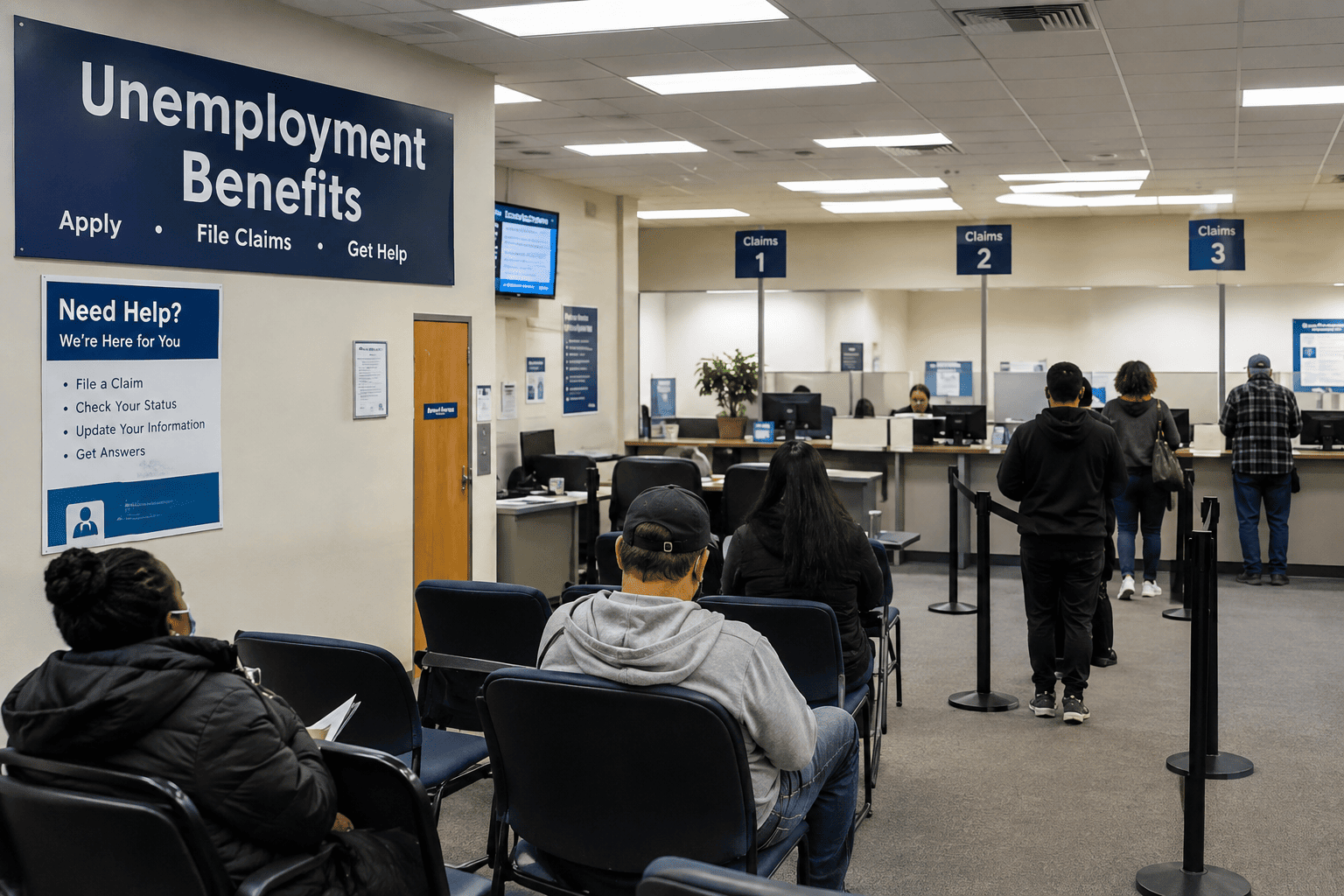
The U.S. Personal Consumption Expenditures (PCE) price index, the Federal Reserve's preferred inflation gauge, climbed to 4.1% year-over-year in May, marking its highest level since April 2023. The increase, up from 3.8% in April, was driven largely by rising energy costs linked to geopolitical tensions in the Middle East. Core PCE inflation, which excludes volatile food and energy components, came in at 3.4% annually, unchanged from the prior month's upwardly revised figure.
On a monthly basis, headline PCE rose 0.4%, matching April's pace, while core PCE increased 0.3%. The data, released by the Commerce Department's Bureau of Economic Analysis, aligned with economists' expectations. The persistent elevation of both headline and core measures above the Fed's 2% target underscores the ongoing challenge for policymakers.
Energy Prices Drive Headline Inflation
The acceleration in headline inflation was primarily attributable to higher energy prices, which have been exacerbated by the U.S.-led conflict involving Iran. Oil prices spiked earlier this year, pushing up gasoline costs and transportation expenses across the economy. Although crude oil and gasoline have retreated somewhat following a fragile ceasefire and a preliminary peace deal signed by President Donald Trump and Iranian President Masoud Pezeshkian, economists anticipate that energy-related inflationary pressures will linger.
Prior to the conflict, American consumers were already contending with higher prices resulting from broad import tariffs imposed by the Trump administration, which raised costs on a range of consumer goods. The persistence of elevated inflation has become a political challenge for Trump and the Republican Party as they seek to retain control of Congress in the upcoming midterm elections.
Core Inflation Remains Sticky
Underlying price pressures remain firm, with core PCE inflation at 3.4% year-over-year, significantly above the Fed's target. Monthly core inflation held steady at 0.3%. While earlier consumer inflation data had suggested some moderation, wholesale inflation reports pointed to firmer PCE readings. Because economists can estimate PCE inflation using data from consumer and producer price reports, Thursday's release was largely in line with expectations.
Consumer Spending Resilient Despite Higher Prices
Consumer spending, which accounts for more than two-thirds of U.S. economic activity, rose 0.7% in May, up from 0.4% in April. Some of the increase reflects higher prices, but economists note that spending has also been supported by larger tax refunds this year, stock market gains, and households drawing on savings. The resilience in spending has bolstered expectations for stronger economic growth in the current quarter, with some estimates for second-quarter GDP running as high as an annualized rate of 3%.
However, economists caution that inflation is rising faster than wages, tax refunds have largely been exhausted, and savings are dwindling. These factors are expected to weigh on consumer demand later this year.
Market Implications and Fed Rate Hike Expectations
The inflation report has reinforced expectations that the Federal Reserve could resume raising interest rates this year. The central bank left its benchmark rate unchanged at a range of 3.50% to 3.75% at its last meeting, but policymakers updated their quarterly projections to indicate additional rate increases amid persistent inflation concerns. Financial markets are increasingly betting that the next rate hike could come as soon as September, with another move potentially following before year-end.
For investors, the persistence of inflation above the Fed's target suggests a higher-for-longer interest rate environment. This scenario could benefit sectors like financials, as bank net interest margins tend to hold up better in a rising rate environment. Conversely, long-duration assets such as Treasuries may face headwinds as real yields rise. For more on related market moves, see our coverage on Gold Dips 1.4% for Week as US-Iran Conflict Stirs Inflation, Rate Hike Bets and Fed Minutes Reveal Deep Split: Some Officials See Rate Hikes, Others Cuts Amid Sticky Inflation.
This article is for informational purposes only and does not constitute financial advice.