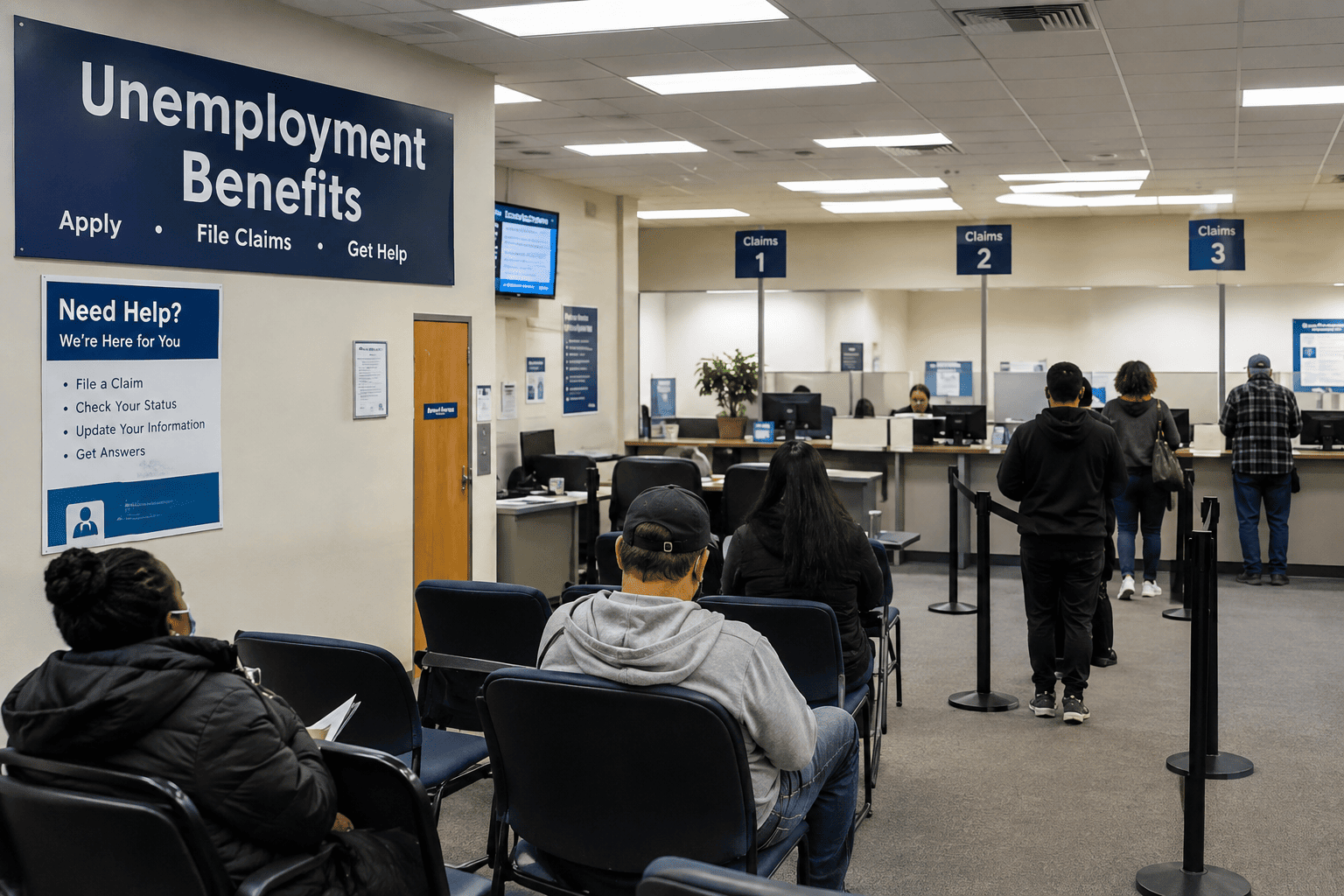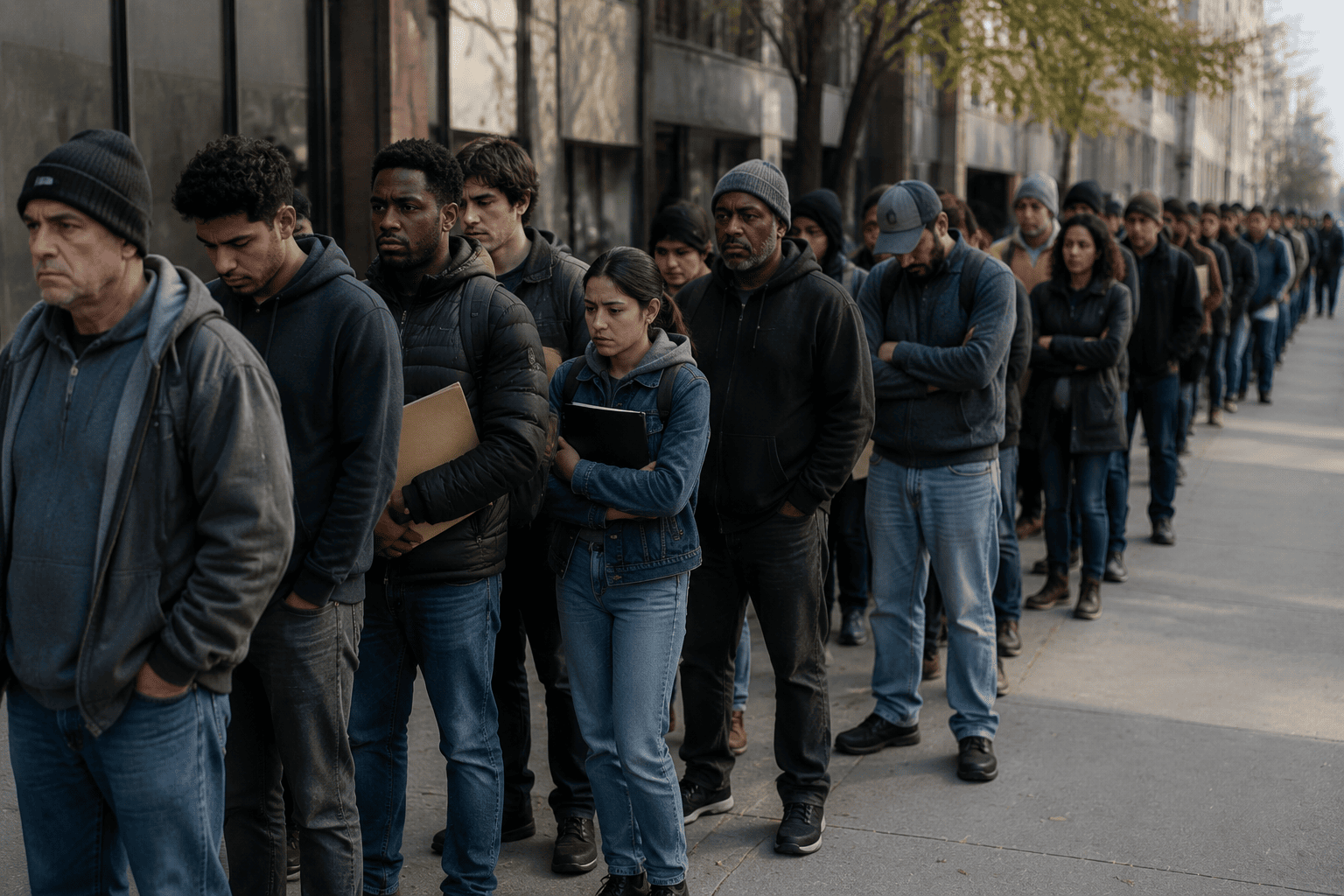
The number of Americans filing new unemployment benefit applications declined last week, underscoring that layoffs remain subdued and the U.S. labor market continues to demonstrate resilience despite broader economic headwinds.
Initial claims for state unemployment benefits fell by 4,000 to a seasonally adjusted 226,000 for the week ended June 13, the Labor Department reported Thursday. The reading came in slightly above the 225,000 forecast from economists polled by Reuters.

While claims have recently drifted toward the upper end of their 2025 range of 190,000 to 230,000, the labor market has regained momentum after a sluggish start to the year. The economy has recorded three consecutive months of solid job growth, and the unemployment rate has held steady at 4.3% for the past three months.
Seasonal Factors May Skew Claims Data
Economists caution that unemployment claims often rise at the start of summer, as some states allow non-teaching school employees to file for benefits during the extended holiday period. Government seasonal adjustment models do not always fully capture these fluctuations, contributing to week-to-week volatility in the data.
The latest claims figures covered the survey period for June's nonfarm payrolls report. In May, U.S. employers added 172,000 jobs, extending a streak of healthy hiring supported in part by persistently low layoff levels.
Fed Views Labor Market as Stable
The Federal Reserve highlighted the labor market's resilience in its policy statement Wednesday. The central bank noted that job gains have kept pace with workforce growth and that the unemployment rate has changed little in recent months.
The Fed held its benchmark overnight interest rate unchanged at 3.50% to 3.75%, though updated projections indicated policymakers expect borrowing costs to rise later this year due to inflation concerns. Fed Chair Kevin Warsh told reporters that policymakers broadly view the labor market as stable, with some committee members seeing it as trending better than stable. “I'd say the jobs data has been moving in a good direction,” Warsh added.
Hiring Remains a Weak Spot
Despite low layoffs, economists point out that uncertainty surrounding trade policy and geopolitical tensions—including the conflict in the Middle East—continues to weigh on hiring decisions. For more on how global factors affect markets, see Forex Markets Cautious as US-Iran MOU Talks Remain Unconfirmed.
Continuing claims, which track individuals receiving unemployment benefits after an initial week of aid, rose by 24,000 to a seasonally adjusted 1.81 million during the week ended June 6. This increase suggests that while companies are not cutting jobs aggressively, unemployed workers are finding it harder to secure new positions.
Government data released earlier this month showed the median duration of unemployment climbed to 11.6 weeks in May from 11 weeks in April, the longest stretch since November 2021. The divergence between low layoffs and rising continuing claims points to a labor market that remains fundamentally healthy but is becoming increasingly challenging for job seekers re-entering the workforce. For a broader perspective on labor trends, see ECB Study: AI Adoption's Impact on US Jobs and Wages Remains Muted So Far.
This article is for informational purposes only and does not constitute financial advice.