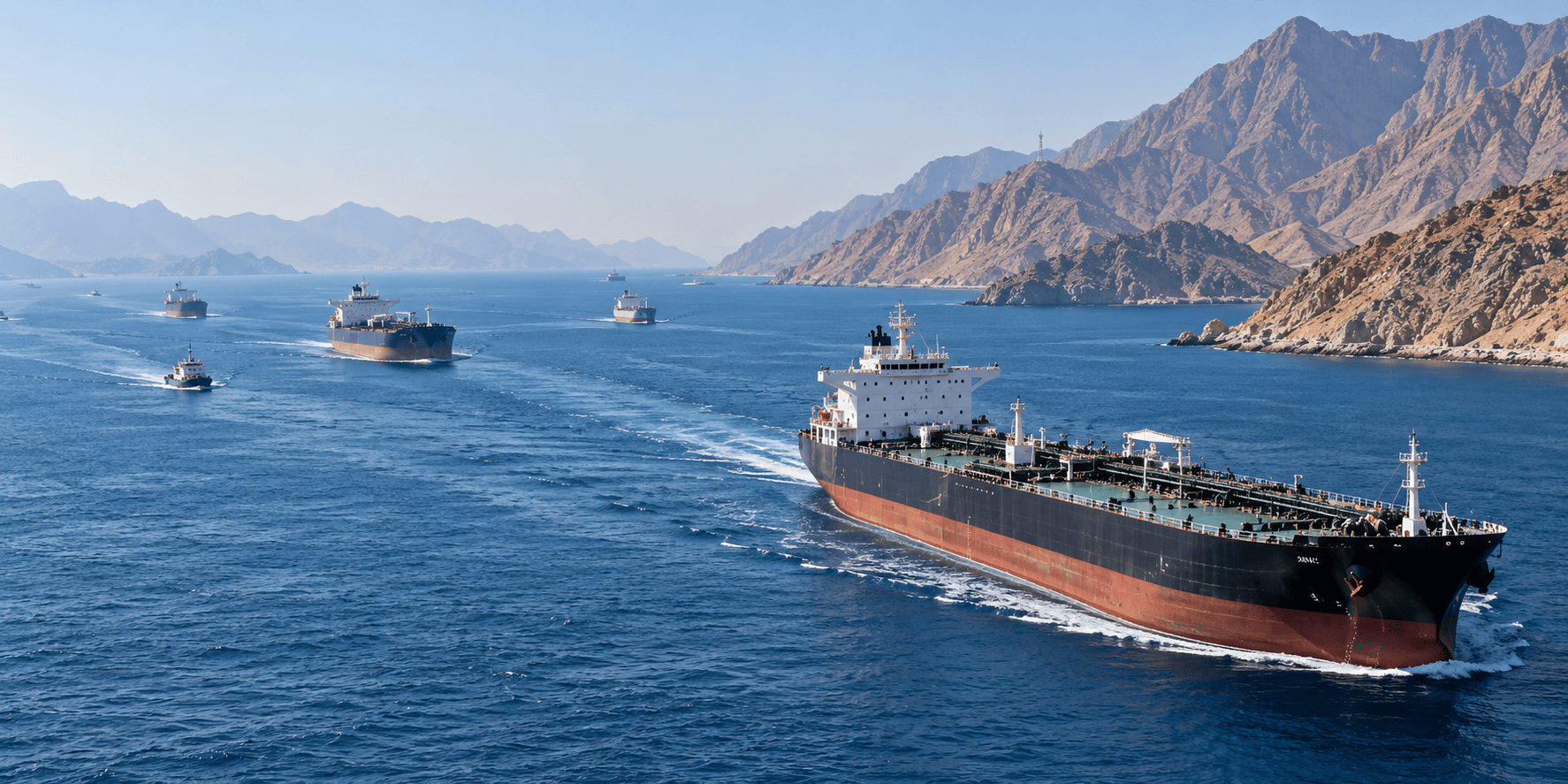
Negotiators from the United States and Iran have reportedly been discussing a phased arrangement that could see Tehran reopen the Strait of Hormuz in exchange for relief from Washington's naval blockade, according to a Bloomberg report citing a person familiar with the matter. The talks, held on the sidelines of the United Nations General Assembly in New York, were mediated by Qatari officials and echo a similar memorandum of understanding reached in mid-June that briefly held before collapsing.
The Strait of Hormuz, a critical chokepoint for global oil shipments, has become a focal point in broader US-Iran diplomacy. Iranian Foreign Minister Abbas Araghchi, speaking through state media, outlined conditions for reopening the waterway, including the immediate lifting of the US naval blockade, the unfreezing of Iranian assets, and an end to hostilities across the region. Despite the diplomatic overtures, regional tensions remain elevated, with Saudi Arabia reporting the interception of six ballistic missiles fired by Yemen's Iran-backed Houthi forces.

Trump and Xi Meet Amid Trade Truce Extension
In a separate development, President Donald Trump welcomed Chinese President Xi Jinping to the White House on Thursday for a state visit, following Washington's announcement that the two nations had agreed to extend their trade truce by two months, now running through January 10. The extension preserves existing lower tariffs and ensures continued Chinese rare-earth supplies while negotiators work toward a broader agreement.
Artificial intelligence featured prominently in the leaders' public remarks. Xi emphasized that the US and China, as the world's leading AI nations, share a responsibility to ensure the technology remains under human control. Trump echoed the sentiment, suggesting that decisions involving security, technology, and AI could foster peace and prosperity for decades. The leaders also addressed the broader trade relationship, with the truce providing additional time for economic negotiations.
Oil Prices Climb on Supply Fears, Hormuz Talks Limit Gains
Oil markets saw notable gains on Thursday, with Brent crude futures rising 4.37% to $107.59 per barrel, while US West Texas Intermediate (WTI) crude advanced 3.55% to $95.41. Both benchmarks had been up about 5% earlier in the session before reports of the US-Iran discussions tempered the rally. WTI was on track to post its first gain in seven sessions, having fallen roughly 13% over the previous six.
The initial surge was driven by renewed supply concerns following the Houthi missile attack on Saudi Arabia. However, the prospect of a reopened Strait of Hormuz helped cap gains. Additionally, Saudi Arabia was reportedly increasing crude pumping volumes through its East-West Pipeline to Yanbu, though tanker loadings had yet to resume, according to Reuters.
Gold Declines as Oil and Rate-Hike Expectations Weigh
Gold prices slipped on Thursday, pressured by higher oil prices and growing expectations of further US monetary tightening. Spot gold fell 0.34% to $4,272.46 per ounce, while December US gold futures settled 0.28% lower at $4,306.50. The Federal Reserve raised interest rates for the first time in three years last week and signaled additional increases this year, with traders pricing in a 69% chance of an October hike, according to CME's FedWatch Tool.
The dollar also reached a two-month high, making gold more expensive for overseas buyers, while 10-year Treasury yields remained near a two-decade high. In other precious metals, spot silver dropped 1.3% to $63.60 per ounce, platinum eased 0.1% to $1,748.46, and palladium gained 0.7% to $1,268.24.
This article is for informational purposes only and does not constitute financial advice.

