UK Prime Minister Keir Starmer announced his resignation on Monday, ending a turbulent tenure that began with a landslide Labour victory in 2024. The move triggers a leadership contest that is widely expected to bring Greater Manchester Mayor Andy Burnham to Downing Street, with prediction platform Polymarket assigning him a 96% probability of becoming the next prime minister.
Burnham's Economic Vision and Market Reactions
Burnham has positioned himself as a candidate of stability, pledging to lower household bills, reduce rail fares, and drive the re-industrialisation of northern England. However, his past comments about not being “in hock” to bond markets have raised investor eyebrows. More recently, he has adopted a market-friendly tone, enlisting a former Bank of England chief economist as an adviser and ruling out increases in income tax or national insurance for workers.
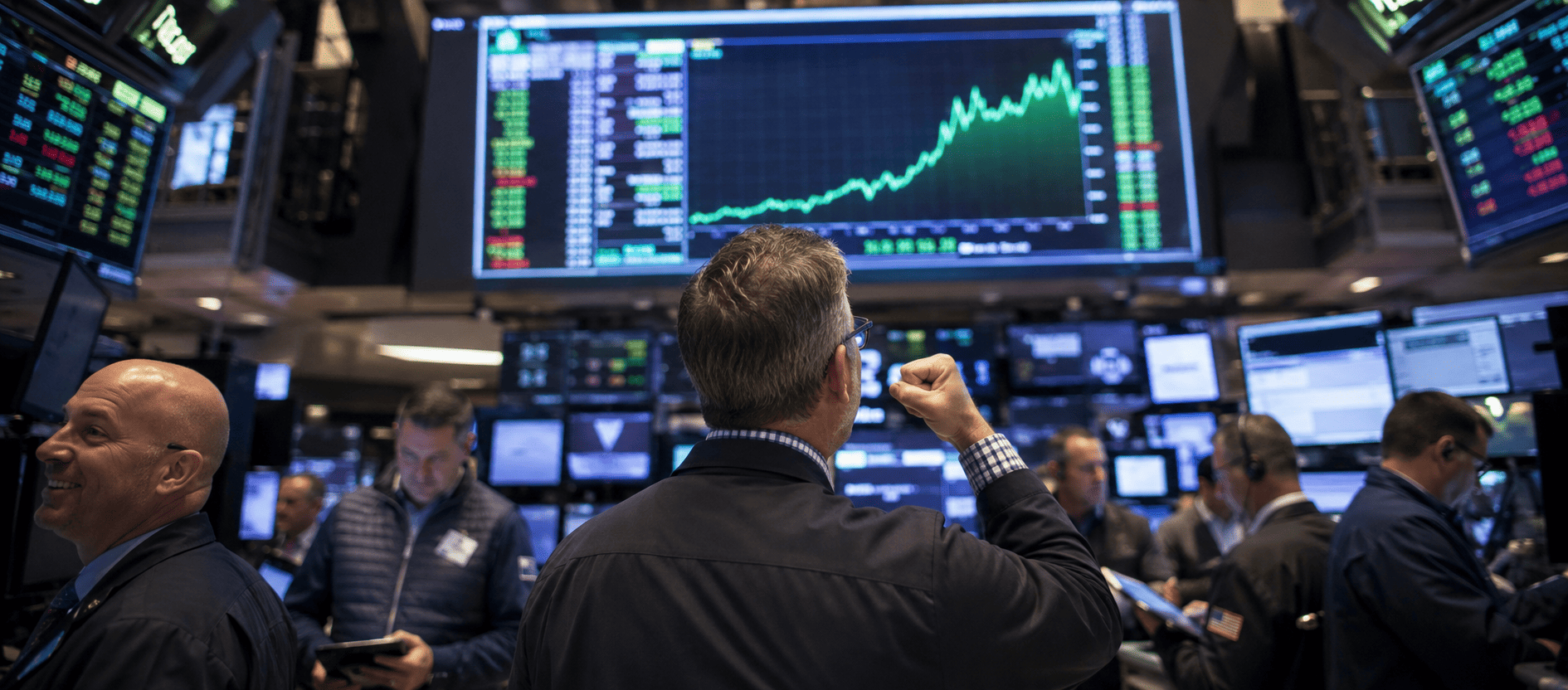
Financial markets have so far taken the political shift in stride. The pound edged down to around $1.32, while 10-year gilt yields held near 4.82%. The FTSE 100 traded slightly higher, while the domestically focused FTSE 250 initially dipped 0.6% before recovering to trade down around 0.27%.
Fiscal Discipline Under Scrutiny
Analysts warn that the biggest test for markets will be whether a Burnham government maintains fiscal discipline. Commerzbank strategists Michael Pfister and Hauke Siemßen noted that investors will closely watch whether Burnham adheres to existing fiscal rules or pursues looser spending policies. “We believe that the market is not fully pricing in the prospect of an even more loose fiscal policy,” they said, adding that they see potential for a steeper yield curve and a weaker pound in the coming weeks.
JPMorgan analysts led by Andrew Tyler echoed this view, stating there is “certainly room for fiscal risk premium expansion but it's more likely to be towards the end of summer.” They expect borrowing costs to rise as investors assess the possibility of greater state involvement and a reversal of some privatisation measures under Burnham.
Chancellor Pick: The Key Market Signal
The most important near-term decision for markets is widely seen as the choice of chancellor. Incumbent Rachel Reeves has successfully calmed bond markets with her strong commitment to fiscal rules, and investors will look for similar reassurances from her successor. Dan Coatsworth, head of markets at AJ Bell, said: “Burnham's choice of chancellor if he becomes prime minister could have a major impact on bond markets. Bond investors like boring and dull – they want someone who has a plan where the maths stacks up, and they stick to it.”
Russ Mould, investment director at AJ Bell, added that gilt yields could rise further if markets worry about radically different policies under a new prime minister. The memory of former Conservative PM Liz Truss's mini-budget in 2022, which triggered a sharp selloff in gilts and a collapse in sterling, continues to influence investor sentiment.
Broader Context and Risks
Burnham's leadership bid comes amid broader global economic uncertainties. The IMF has urged Japan to tighten monetary policy, while ECB research shows AI's impact on jobs remains muted. Domestically, Pantheon Macroeconomics economists Rob Wood and Elliott Jordan-Doak see risks tilted toward higher spending, noting that Burnham could “pitch to Labour MPs' left-leaning instincts for more spending, funded by higher taxes and moderately looser fiscal rules.”
As the leadership contest unfolds, investors will be watching for signals on fiscal policy and the chancellor appointment. The next few weeks will be critical in determining whether the UK can maintain market confidence amid a change at the top.
This article is for informational purposes only and does not constitute financial advice.