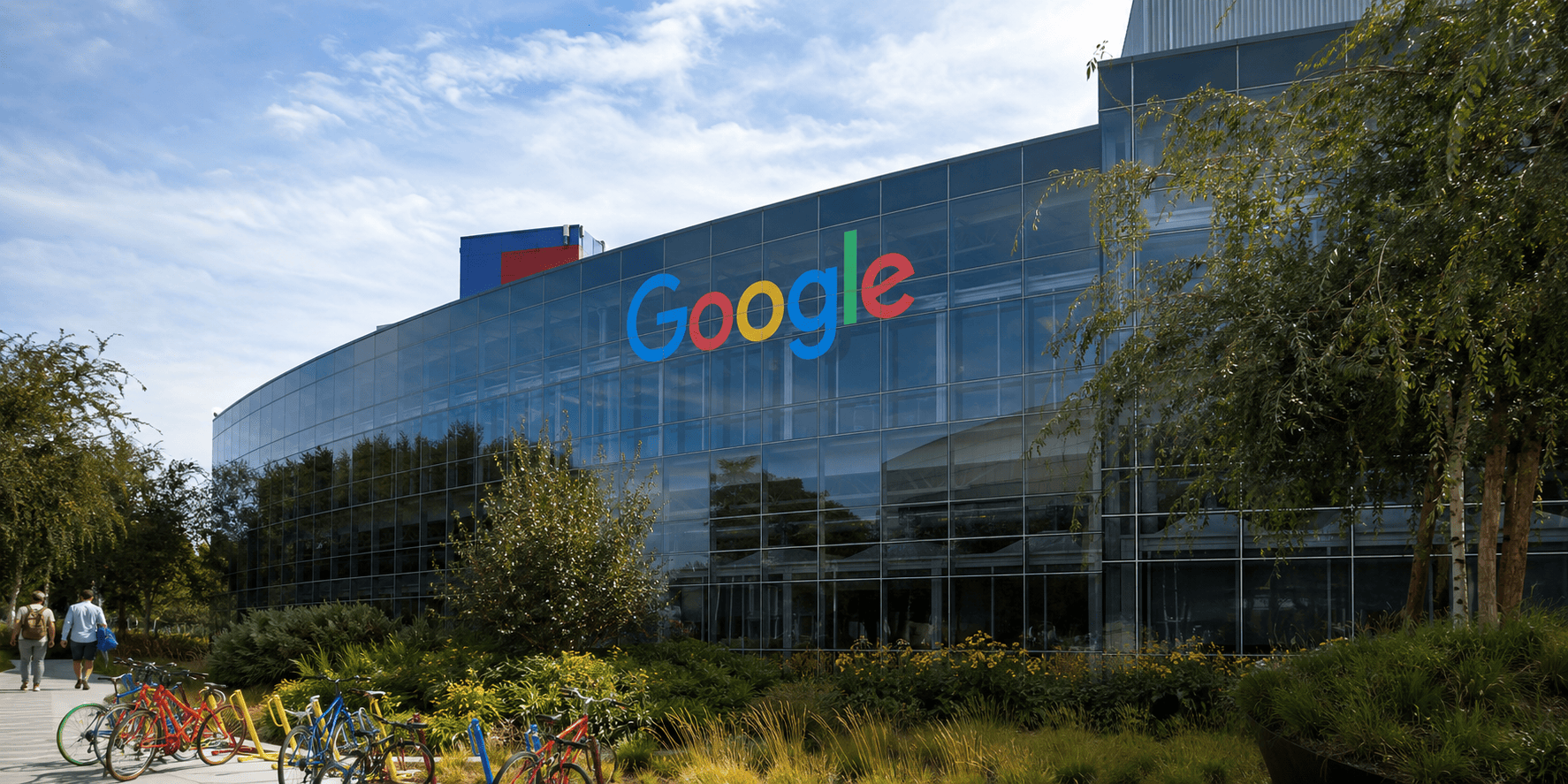
Alphabet is returning to the debt market with a planned $20–25 billion multi-tranche bond offering, aiming to finance its aggressive artificial intelligence infrastructure buildout. According to Reuters, the Google parent has already attracted roughly $115 billion in investor orders—more than four times the targeted size—underscoring robust demand for top-tier tech credit even as AI spending strains balance sheets.
Bond sale details
The offering includes up to 10 tranches with maturities spanning two to 40 years, per a regulatory filing. Bloomberg News first reported the issuance size. The company's last major debt raise came in June, when it announced an $80 billion equity offering—later upsized to nearly $85 billion—that included an investment from Berkshire Hathaway. Alphabet has also tapped foreign currency markets, issuing bonds in yen, Swiss francs, and pounds, including a rare 100-year note earlier this year.
Investor demand signals confidence
The overwhelming order book suggests bond investors remain comfortable with Alphabet's long-term credit profile, even as the company's free cash flow has turned negative. In the second quarter, Alphabet reported negative free cash flow of $5.9 billion, a stark reversal from the nearly $25 billion positive figure in the same period last year. The company has guided to capital expenditures of $195–205 billion for 2026, reflecting the enormous costs of expanding AI computing capacity.
Alphabet's finance chief has acknowledged that free cash flow will remain under pressure as these investments continue. The latest bond sale is part of a broader strategy to bridge the gap between record spending today and future AI-driven returns.
Big Tech's growing reliance on debt
Alphabet's move highlights a sector-wide trend: cash-rich technology giants are increasingly borrowing to fund AI expansion. According to a Reuters analysis of LSEG data, Amazon, Alphabet, Meta, and Oracle collectively issued about $194 billion in bonds during 2026 through July 7—a 79% jump from roughly $108 billion in the same period of 2025. Industry estimates suggest Big Tech will spend more than $730 billion this year, with AI infrastructure accounting for the bulk.
This shift is not without risks. As short sellers question AI spending, some investors worry about the payback timeline. However, debt markets appear willing to finance the buildout, with Goldman Sachs projecting that about one-third of hyperscalers' capital expenditure will be debt-financed in 2026.
Debt financing to peak in 2027
Amanda Lynam, head of credit strategy research at Goldman Sachs, noted that hyperscalers are bracing for roughly $250 billion of direct bond supply this year, excluding project finance. "We expect this to peak next year in 2027, where we expect 35% of CapEx to be debt-financed," she said. The delay between investment and monetization—anywhere from three months to two years—explains why even the most cash-generative companies are turning to debt.
Alphabet's latest offering is a clear signal that AI infrastructure spending will continue to reshape corporate financing strategies. As leadership changes and researcher exits add uncertainty, the company's ability to raise capital at scale remains a key strength.
For investors, the bond sale offers a window into how Big Tech is managing the transition to an AI-driven future. While equity markets have shown mixed reactions to AI spending, debt investors are voting with their wallets—and they are overwhelmingly supportive.
This article is for informational purposes only and does not constitute financial advice.