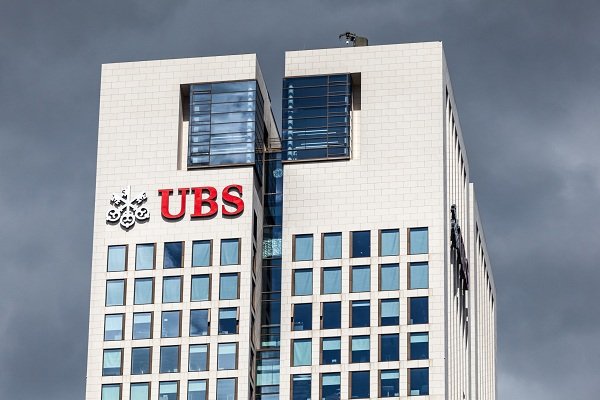
UBS Group AG reported a second-quarter net profit attributable to shareholders of $2.8 billion, surpassing the $2.4 billion average analyst estimate compiled by the bank. The results, released before Zurich trading on Wednesday, also featured $36 billion in net new assets from Global Wealth Management and a fresh $3 billion share repurchase program, giving investors multiple reasons to reassess the stock.
The earnings beat comes as UBS nears the final stages of its integration of Credit Suisse, a process that has generated $12.6 billion in cumulative gross savings so far. The bank remains on track to hit about $13.5 billion in savings by year-end, with over 90% of legacy applications retired. Chief Executive Sergio Ermotti noted that the integration work and shareholder patience are beginning to yield visible returns.

Wealth management drives revenue growth
Global Wealth Management, the core of UBS's valuation story, attracted $73 billion in net new assets in the first half, with $36 billion coming in the second quarter alone. Underlying revenue in the division rose 14% year-over-year to nearly $7 billion, while transaction-based income jumped 23%. This mix is important for UBS stock because it deepens the fee base and reduces reliance on more volatile trading income.
Group invested assets reached a record $7.3 trillion, reinforcing the argument that the enlarged franchise is gaining scale. The investment bank also contributed, with underlying revenue up 31%, supported by record second-quarter results in Global Markets and a 33% increase in Global Banking revenue.
Buyback program supports shareholder returns
UBS completed its previous repurchase program in July and launched a new plan worth up to $3 billion. The bank intends to buy back at least $1 billion of shares over the next three months and complete the program by the end of the second quarter of 2027. For shareholders, this commitment is arguably as important as the profit beat, as buybacks reduce the share count and can support earnings per share, provided capital generation remains strong.
The bank ended the quarter with a common equity tier 1 ratio of 14.4%, above its roughly 14% operating target. Diluted earnings per share came in at $0.87, and management continued accruing for mid-teens percentage dividend growth.
Capital rule uncertainty remains a cloud
Despite the strong operational performance, the biggest restraint on UBS stock remains political rather than operational. The pace of future buybacks still depends partly on Swiss parliamentary decisions over the treatment of capital held in foreign subsidiaries. That uncertainty may limit the valuation uplift from an otherwise strong quarter.
Even so, the results strengthen the case that UBS is entering the final phase of the Credit Suisse deal with better earnings momentum, stronger flows, and more room to return capital. For context, other major financial stocks have also seen mixed reactions to earnings; for instance, Barclays shares dropped 4.9% despite a 17% profit jump, highlighting how market sentiment can diverge from headline numbers. Similarly, Man Group shares hit a 15-year high on record AUM and strong inflows, showing that asset-gathering momentum can drive investor enthusiasm.
UBS's ability to sustain its wealth management inflows and navigate the capital rule overhang will be key for the stock's trajectory. The bank's strong earnings and buyback commitment provide a solid foundation, but the political cloud may keep some investors cautious.
This article is for informational purposes only and does not constitute financial advice.