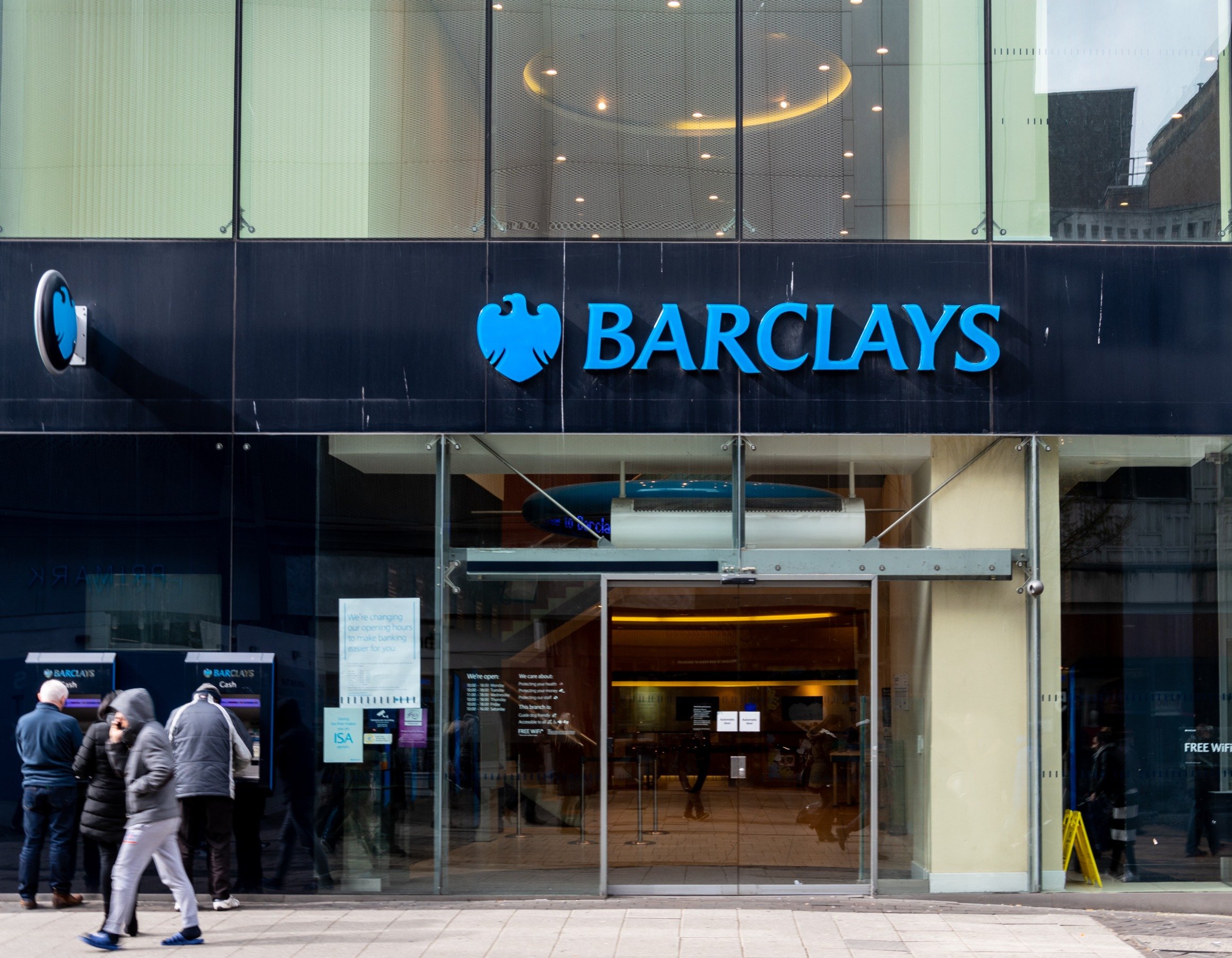
Barclays shares fell sharply in London on Tuesday, declining 4.9% in early trading, even after the bank reported a 17% increase in first-half profit before tax to £6.1 billion, surpassing analyst expectations of £5.94 billion. The selloff highlights a disconnect between headline earnings and investor concerns about the sustainability and breadth of the bank's performance.
Trading boom drives beat, but expectations were high
The investment bank delivered a standout quarter, with second-quarter income of £4 billion, ahead of the £3.7 billion consensus estimate. Revenue rose 20%, fueled by a 45% jump in equities revenue as volatile markets and stronger deal activity boosted client volumes. Investment-banking fees climbed 32%, marking one of Barclays' strongest quarterly showings in years.

However, the bar had been set high by Wall Street peers. Equities revenue at the largest US banks increased by an average of 69%, while Barclays' fixed-income trading revenue rose just 1%, compared with a 13% average gain at the top five US banks. This relative underperformance in fixed income, combined with the stock's 24% rally over the prior three months, left limited room for valuation upgrades and prompted profit-taking.
UK business weakness clouds the picture
Investors are increasingly focused on Barclays' strategy to become a more balanced lender, with greater reliance on its UK retail, corporate, and wealth operations. In the second quarter, Barclays UK income rose only 7%, supported by structural-hedge income but partly offset by retail-deposit dynamics and pressure on mortgage margins. Private Bank and Wealth Management income grew just 5%, as changing deposit preferences diluted gains from higher client balances.
Citigroup analyst Andrew Coombs told the Financial Times that the results were “likely to disappoint” because the three UK-focused businesses performed more weakly than expected. This matters strategically: if domestic operations fail to generate stronger growth, Barclays remains overly dependent on investment-banking revenue, which can fluctuate sharply with market conditions.
Rising costs and impairments add to concerns
Barclays also flagged £500 million of additional costs and higher impairment charges. First-half credit impairments rose to £1.4 billion from £1.1 billion a year earlier, while second-quarter charges increased to £571 million from £469 million. While not signaling a credit crisis, the uptick made the earnings mix less clean and weighed on sentiment.
The bank announced £2.3 billion in first-half distributions, including a new £1 billion share buyback and a 5.9p interim dividend. Yet even these capital returns failed to offset investor disappointment over the underlying trends.
Market context and broader implications
The reaction echoes similar patterns seen in other sectors where strong earnings have been met with skepticism. For instance, LVMH shares fell 2.6% despite meeting Q2 sales estimates, as investors questioned growth sustainability. In the banking space, the FTSE 100 earnings week has put a spotlight on UK lenders, with Barclays, Lloyds, and NatWest all reporting amid varying market reactions.
Interactive Investor analyst Richard Hunter described the release as “unblemished” in commentary published by Investing.com, but noted that the stock's pre-earnings run-up had priced in an excellent result. A modest headline beat therefore offered limited upside and encouraged investors to lock in profits.
Looking ahead, Barclays faces the challenge of proving that its UK operations can deliver consistent growth, while managing cost pressures and credit quality. Until then, the market may remain cautious, even as the investment bank continues to generate strong trading revenues.
This article is for informational purposes only and does not constitute financial advice.