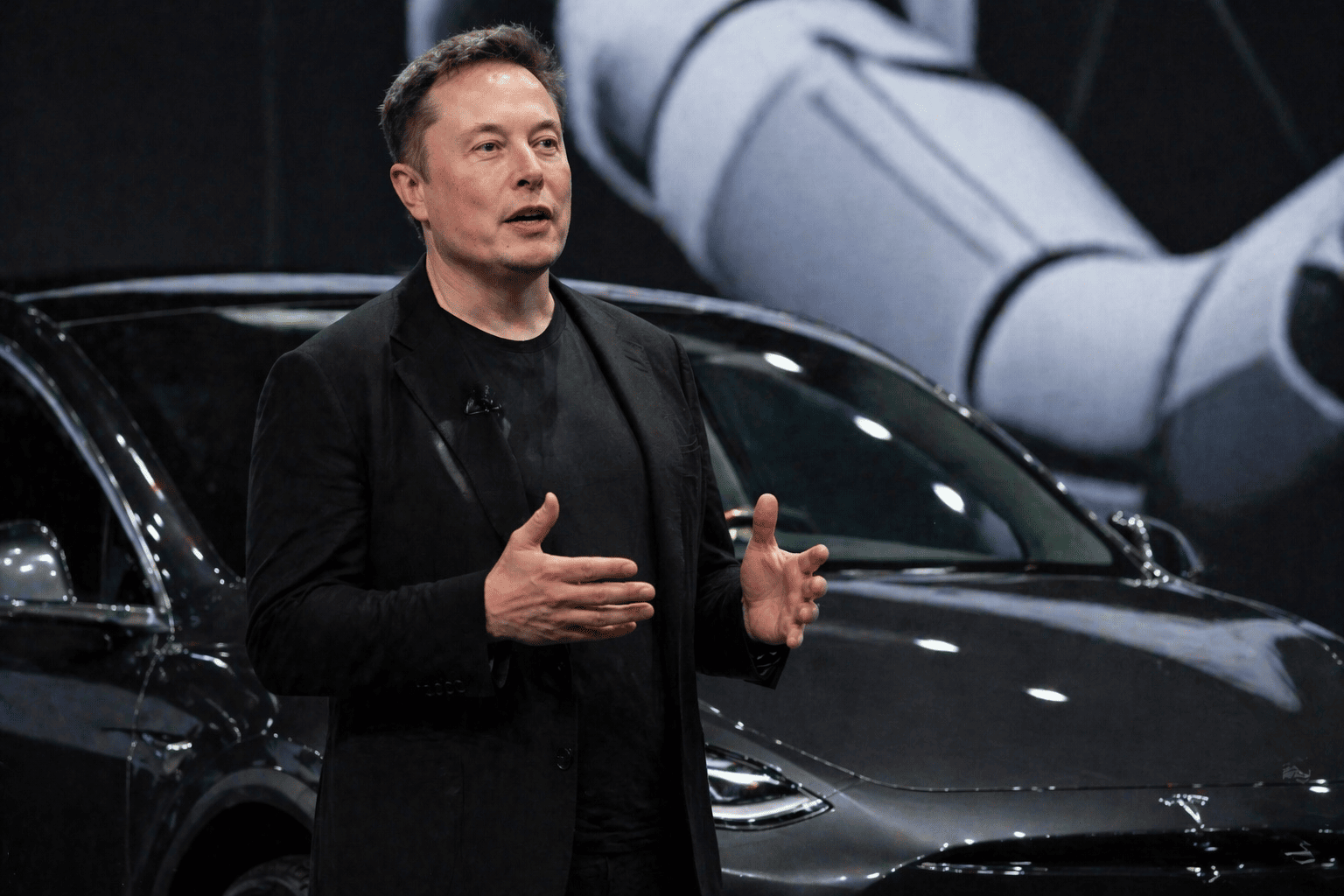
Tesla (NASDAQ:TSLA) shares remained under pressure this week as Wall Street weighed the implications of a potential merger with SpaceX. The stock closed near $402.90 on Tuesday, down more than 4%, and continued to slide in pre-market trading Wednesday, despite recent delivery data that had improved sentiment around the electric-vehicle maker.
The debate has shifted beyond Tesla's core automotive business. Following SpaceX's record $75 billion IPO at a $1.77 trillion valuation, investors are increasingly asking whether Elon Musk's two flagship companies could eventually combine into a single platform spanning AI, robotics, energy, transportation, and space exploration.

JPMorgan Sees Logic, but Not a Simple Buy Case
JPMorgan analyst Rajat Gupta described a potential Tesla-SpaceX merger as “strategically coherent on paper,” but stopped short of recommending the stock on that basis alone. Gupta noted that Tesla brings electric vehicles, batteries, autonomy software, and robotics to the table, while SpaceX contributes launch systems, Starlink satellite infrastructure, space-based AI ambitions, and deep government-linked aerospace capabilities. Together, they would form an integrated industrial technology platform rather than two separate Musk-controlled entities.
However, Gupta flagged substantial execution risks. Regulatory and jurisdictional hurdles—particularly involving China—could complicate any deal. Tesla has significant manufacturing and sales exposure in China, while SpaceX operates in sensitive areas such as satellites, defense-linked infrastructure, and space communications. That mix could make approvals politically difficult.
As a result, JPMorgan maintained a Hold rating on Tesla, aligning with Wall Street's broader cautious consensus. The average price target among analysts is $399.71, slightly below current trading levels. The JPMorgan note offers bulls a new narrative to trade, but it also gives skeptics fresh reasons to worry about governance, regulation, and execution risk.
For more on Tesla's recent performance, see Tesla Rebounds 3% on Miami Robotaxi Launch and Strong Q2 Deliveries.
RBC Takes a More Bullish Stance
RBC Capital Markets offered a more constructive view. Analyst Tom Narayan raised his Tesla price target to $500, incorporating a 25%–30% premium based on a potential SpaceX acquisition scenario. Narayan argued that closer collaboration between the two companies could unlock value across compute hardware, energy storage, AI training, and large-scale infrastructure.
This creates a clear divide between bulls and cautious observers. RBC sees a possible valuation unlock, while JPMorgan acknowledges strategic coherence but also major complexity. The analyst's logic may support the long-term “Musk ecosystem” bull case, but it does not settle the buy-now debate.
For TSLA to look more compelling in the near term, investors will need confirmation from Q2 earnings that the company's core business, energy segment, and AI ambitions are strengthening—not just another speculative merger angle. Meanwhile, related developments in the EV space include Rivian Shares Surge 6% After JPMorgan Lifts Target on Q2 Delivery Beat.
Some analysts have warned that merger talk may detach Tesla's valuation from fundamentals. As noted in Tesla Rises 2% as Jefferies Warns Merger Talk May Detach Valuation from Fundamentals, the speculative narrative could introduce additional volatility.
Ultimately, the Tesla-SpaceX merger idea remains an interesting thesis, but investors should weigh the regulatory and execution risks alongside any potential upside. The stock's next catalyst will likely be the Q2 earnings report, which will provide a clearer picture of the company's operational health beyond merger speculation.
This article is for informational purposes only and does not constitute financial advice.

