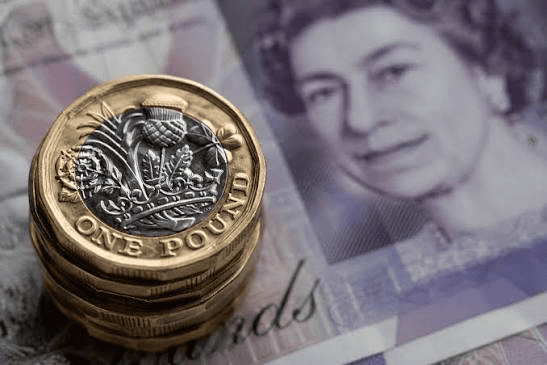
The British pound weakened on Monday, falling 0.2% to $1.321, as investors grappled with growing speculation that Prime Minister Keir Starmer could announce a departure timeline, potentially paving the way for Labour colleague Andy Burnham to take the helm. The currency has now shed approximately 3% since February, when political pressure on Starmer first began to mount.
This latest decline reflects a confluence of domestic political uncertainty and persistent worries over the UK's public finances, sluggish growth, and elevated borrowing costs. The political landscape shifted sharply after Burnham, the former Greater Manchester mayor, secured a decisive parliamentary victory, returning to Westminster and intensifying scrutiny on Starmer's leadership.

Burnham's Rise Sharpens Market Focus on Fiscal Direction
Burnham's return to parliament has prompted markets to more seriously consider a leadership change. For investors, the key question is not just whether Burnham could replace Starmer, but what his economic policies would entail. Burnham is perceived as more left-leaning than Starmer, and while he has stated he would retain finance minister Rachel Reeves' fiscal rules, the market is likely to demand clearer evidence before adjusting expectations.
This uncertainty is already visible in the options market, where traders are paying a premium to hedge against sterling volatility in the coming weeks, indicating expectations of further swings as the political narrative evolves. For a deeper look at the potential implications of a Burnham premiership, see our analysis: UK Leadership Shift: Burnham's Fiscal Plans and Chancellor Pick in Focus as Starmer Steps Down.
Gilt Market Remains a Key Pressure Point
The UK government bond market continues to be a major concern. Gilt yields hovered around 4.85%, near their highest levels since the 2008 financial crisis. At these levels, Britain faces higher medium-term borrowing costs than any other developed nation. Repeated political crises have made investors wary of gilts, adding to the pressure on sterling.
Broader Market Backdrop Adds to Caution
The pound's weakness also unfolded against a broader backdrop of global market caution. The US dollar held steady as investors favored it amid geopolitical risks, higher Treasury yields, and fresh political uncertainty in the UK. Meanwhile, diplomatic efforts between the US and Iran helped ease some immediate fears around Gulf shipping. High-level talks in Switzerland reportedly produced a 60-day roadmap for a broader agreement, backed by Qatar and Pakistan, including technical discussions and a mechanism to protect commercial shipping through the Strait of Hormuz.
Crude oil prices initially found support after Iran said it had closed the waterway, but later eased as both sides signaled progress. Brent crude traded below $80 a barrel, suggesting energy traders have scaled back some of the immediate supply risk premium. Currency investors, however, remained cautious, with the pound under pressure from both domestic and external factors.
For context on how broader market dynamics are affecting other assets, see our coverage: Nikkei 225 Drops 8.4% as Iran Tensions and Global Selloff Pressure Japan Stocks and XRP Hovers Above $1.05 as Bearish Pressure Tests Key Support Level.
This article is for informational purposes only and does not constitute financial advice.