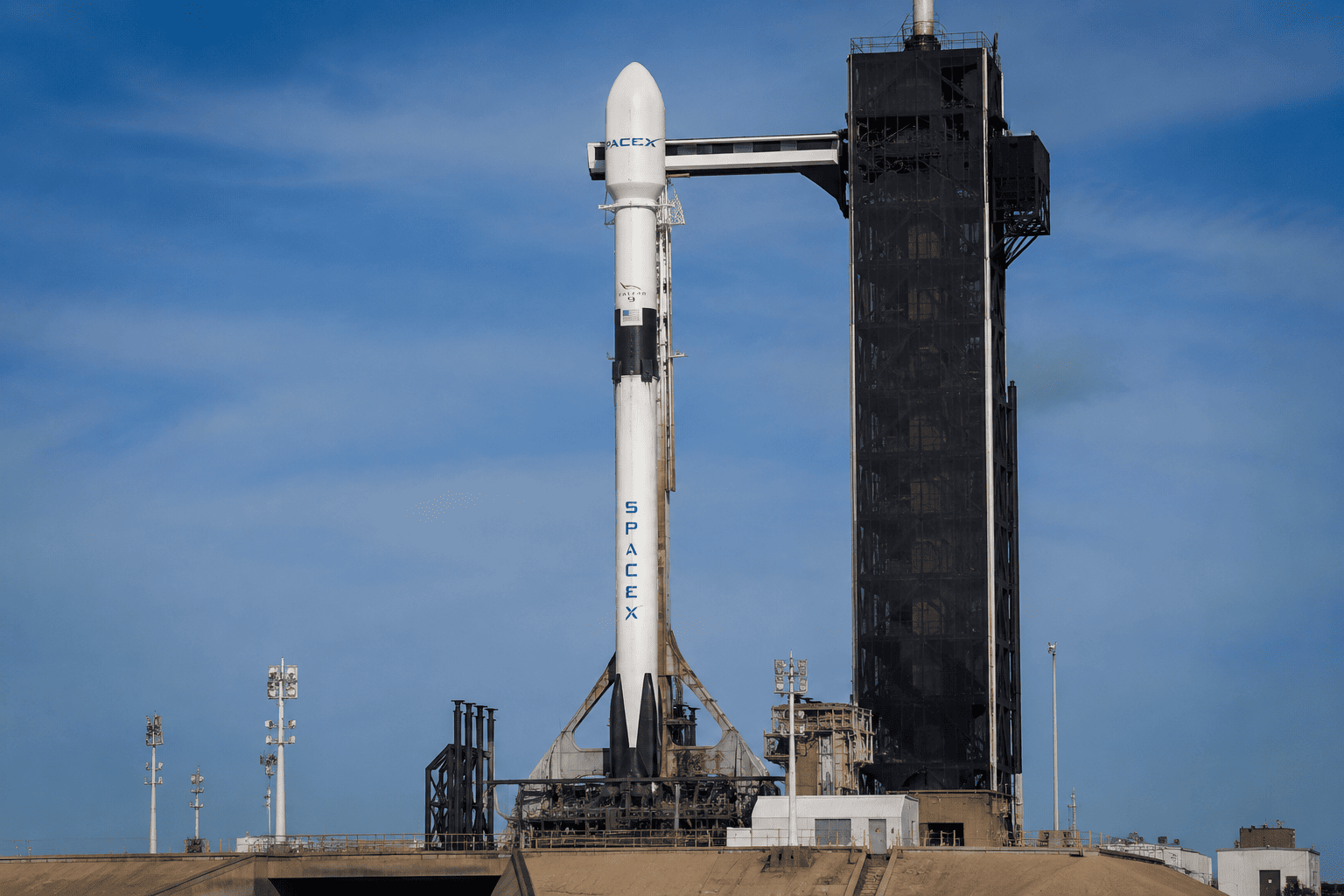
SpaceX (SPCX) shares moved higher on Monday after Bernstein SocGen Group reaffirmed its Outperform rating and $248 price target, even as the firm flagged uncertainty surrounding the company's direct-to-device mobile initiative. The endorsement underscores confidence in SpaceX's diversified revenue streams, though analysts remain cautious about the telecom ambitions.
Core businesses underpin optimism
Bernstein highlighted SpaceX's launch services, orbital data centers, and Starlink broadband for consumer, enterprise, and government clients as key drivers of its positive outlook. The firm noted that these segments collectively support the stock's valuation, despite the company's current lack of profitability.
According to Bernstein, SpaceX generated $23 billion in revenue over the trailing twelve months, with a gross profit margin of 52%. While the company remains unprofitable on a net basis, the robust margin profile and expanding addressable markets provide a foundation for long-term growth.
Direct-to-device remains a key challenge
The primary concern centers on SpaceX's plan to extend Starlink into direct-to-device mobile connectivity, with the first Starship launches of its Mobile V2 satellite constellation slated for mid-2027. Bernstein's analysis, led by its US Communications Infrastructure and Telecom teams, examines the capital requirements and operational hurdles of this buildout, as well as potential implications for telecom and tower companies.
In a prior report titled "SpaceX: The Telecom Play - Can Direct-to-Device Work?", the firm explored the viability of this venture. The latest assessment suggests that while SpaceX has multiple businesses supporting its long-term opportunity, the direct-to-device segment presents greater challenges than its other activities. Bernstein's positive stance therefore remains focused on the broader SpaceX opportunity rather than a full endorsement of its mobile ambitions.
Dragon launch delay adds near-term friction
Separately, SpaceX and NASA have delayed the Crew-13 mission to the International Space Station after detecting an oxidizer leak in the Dragon spacecraft's propulsion system. Additional testing is underway, and no new target launch date has been announced. The mission is expected to carry American, Canadian, and Russian astronauts.
Dragon is SpaceX's primary spacecraft for crew and cargo transport and remains the only US alternative for sending astronauts to the ISS. The delay follows a busy period for the company, including the successful launch of a $4.3 billion NASA telescope designed to study dark matter and dark energy on Sunday. President Donald Trump praised the mission during a post-launch press conference.
The broader US space sector is also receiving policy attention, with the administration initiating steps to create a "US space academy" to support the Space Force and civilian spaceflight through NASA. For investors, Bernstein's reiterated rating signals continued confidence in SpaceX's diversified prospects, even as the direct-to-device operation remains a watch item for execution, costs, and competitive dynamics ahead of the 2027 satellite launches.
This article is for informational purposes only and does not constitute financial advice.