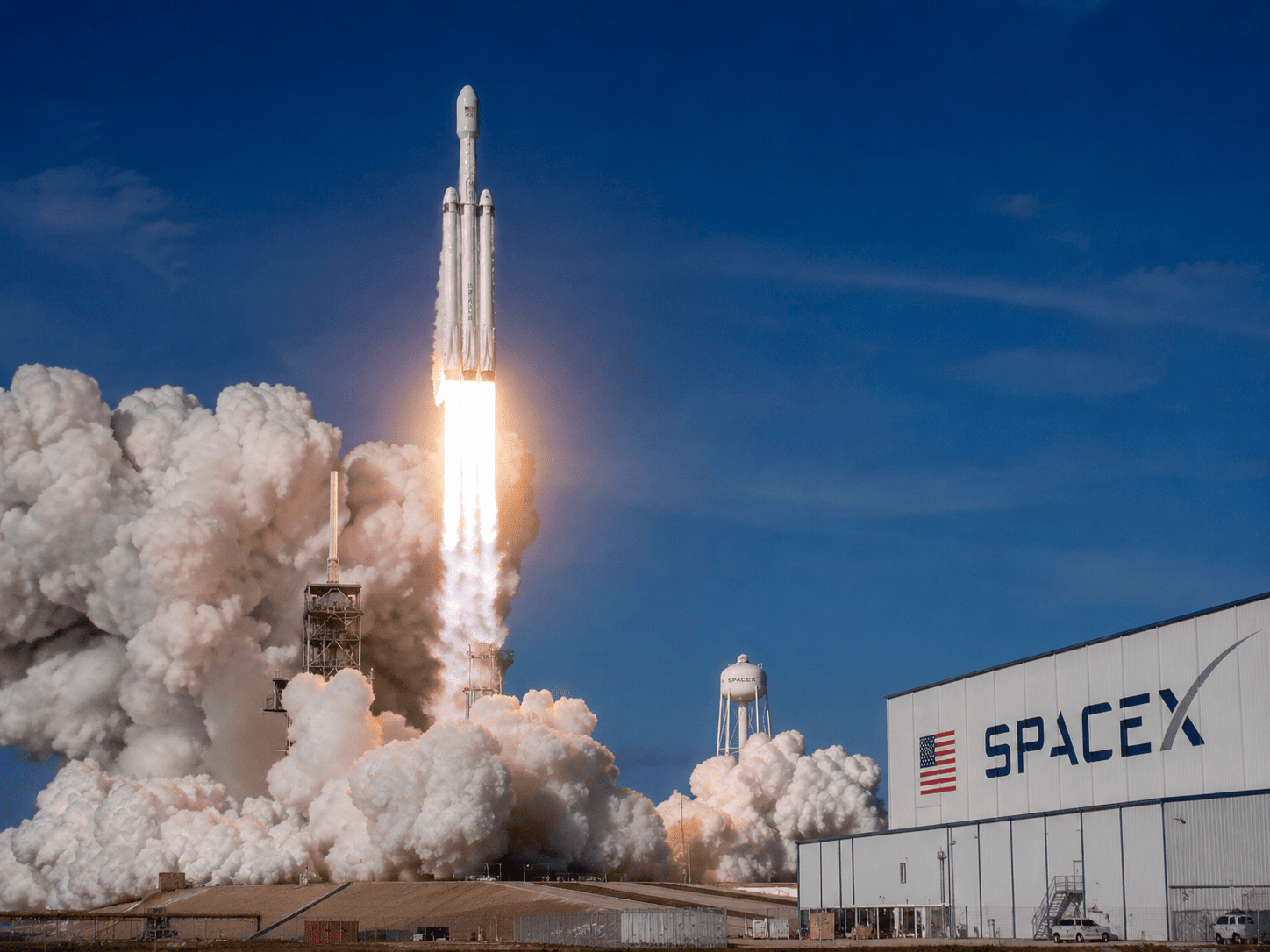
Just weeks after completing the largest initial public offering in history, SpaceX (ticker: SPCX) has become Wall Street's most heavily shorted newly listed stock. According to data from S3 Partners, short interest has surged to 181 million shares, representing 28% of the company's 646 million-share tradable float—a record for any stock in its first month of trading.
Short sellers have already accumulated approximately $3.88 billion in unrealized gains as SPCX briefly dipped below its $135 IPO price on Wednesday before closing at $135.27. The stock has fallen about 10% over the past five trading sessions, reflecting growing bearish sentiment amid valuation concerns and the approaching expiration of insider lockup restrictions.

Bearish Bets Accelerate
The pace of short selling has intensified sharply. In the past week alone, investors added roughly 37 million shares worth about $5 billion to their short positions. Ihor Dusaniwsky, head of predictive analytics at S3 Partners, noted that the recent share price weakness, combined with the looming lockup expiration, is further stimulating short-selling demand.
Lockup restrictions, which initially limited public trading to less than 5% of outstanding shares, are set to expire in the coming weeks. This could release millions of additional shares into the market, potentially amplifying selling pressure. The scarcity of shares had helped propel SPCX after its debut, but the upcoming unlock may test investor conviction.
Valuation Under Scrutiny
Despite the pullback, SPCX still trades at roughly 49 times expected revenue, making it one of the most expensive large-cap technology stocks on Wall Street. For context, fellow Elon Musk-led company Tesla trades at about 15 times expected revenue. The valuation gap has drawn criticism from several analysts and investors, who argue that the stock's price is disconnected from fundamentals.
Adding to the pressure, SpaceX raised $25 billion through the bond market last month to finance its artificial intelligence infrastructure expansion. This move has fueled broader concerns that aggressive AI-related capital spending across the tech sector could weigh on future returns, particularly if interest rates remain elevated.
Analyst Sentiment: Bullish Consensus but Bearish Dissent
Wall Street remains broadly optimistic on SpaceX's long-term prospects. According to LSEG data, 27 of 32 analysts covering SPCX recommend buying, four are neutral, and only one has a sell rating. However, a vocal minority has turned increasingly bearish.
Former Fidelity Overseas Fund manager George Noble told Business Insider that he expects the stock to "completely crash," predicting a decline of roughly 78% to a fair value of around $30. Jay Ritter, the economist known as "Mr. IPO," said he had considered shorting SPCX before its debut and was not surprised by the recent decline. CFRA analyst Keith Snyder has maintained his sell rating since the IPO, stating that only substantially stronger growth would change his view.
A Reuters analysis of 50 major U.S. IPOs since 2010 found that stocks falling below their IPO price within the first two months of trading generally underperformed those that stayed above, though most still delivered positive long-term returns.
Key Catalysts Ahead
Investors are bracing for two major events that could drive further volatility: SpaceX's 13th Starship test flight and its second-quarter earnings report, expected in early August. The lockup expiry will also be closely watched, as it could determine whether selling pressure intensifies or abates.
For more on market dynamics and earnings, see our coverage of BlackRock Q2 Earnings and Wall Street Futures Mixed as SK Hynix Debut Tests AI Demand. For a broader perspective on AI-related investments, read Physical AI: Wall Street's Next Frontier.
This article is for informational purposes only and does not constitute financial advice.