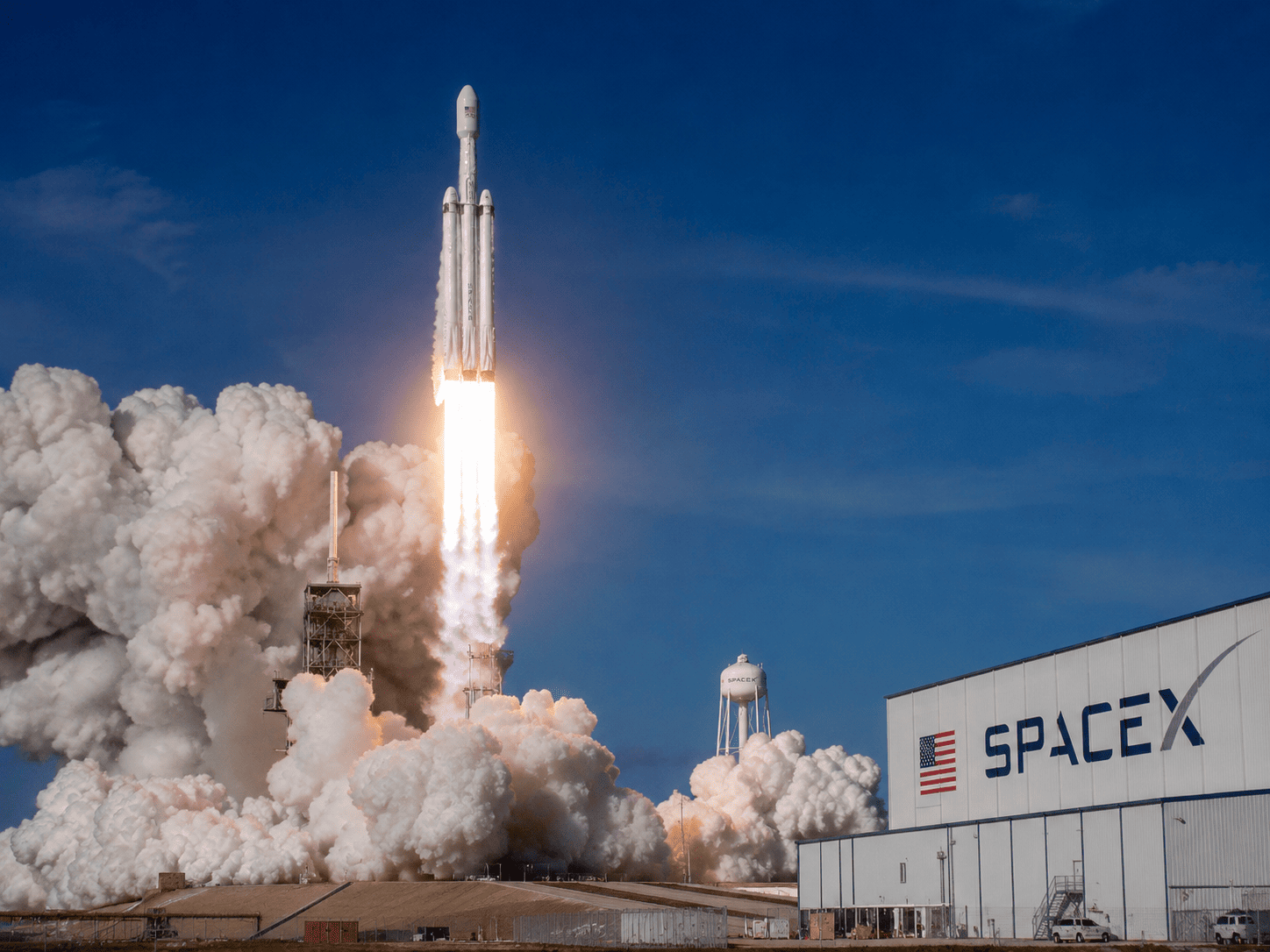
SpaceX (SPCX) is approaching another potential volatility trigger as its third lockup expiry arrives on September 9, releasing approximately 319 million shares held by insiders. This event comes as the stock has regained upward momentum, buoyed by optimism around its artificial intelligence initiatives.
The September 9 expiry marks the 90th trading day since SpaceX's initial public offering. It follows the company's first and largest lockup expiry on August 6, which released over 900 million shares. Contrary to fears of a selloff, the stock rebounded above its $135 IPO price within days and subsequently rallied about 35% in the five sessions following that event, adding roughly $500 billion to its market value. Currently, shares trade around $149, approximately 20% higher than immediately after the first lockup.
This staggered lockup schedule—with another expiry on August 20 and a final one on December 8—is designed to prevent a sudden flood of shares. However, each release raises the question of whether early investors and employees will cash in on substantial gains. For instance, an employee who received shares when SpaceX was valued at $10 or $20 could realize life-changing wealth by selling at current levels near $150.
The market's resilience in August may reassure investors that demand can absorb additional supply. On Thursday, SpaceX shares rose 6.4%, briefly surpassing $150 for the first time since July 10, and closed at $149.74, giving the company a market capitalization of just over $2 trillion, according to Dow Jones Market Data.
Analyst sentiment remains largely positive. According to FactSet, the average price target is $225.87, implying roughly 50% upside. Of 28 analysts, 28 rate the stock Buy, three Overweight, seven Hold, one Underweight, and two Sell. Price targets range widely from $75 to $800. Oppenheimer's Timothy Horan raised his target to $280 from $250 on Tuesday, citing SpaceX's ability to capitalize on AI infrastructure shortages. Investor Ross Gerber of Gerber Kawasaki is even more bullish, suggesting SpaceX could outperform Tesla and potentially merge with it.
However, the AI opportunity comes with massive spending. SpaceX's capital expenditure reached $28.5 billion in the first half of 2026, a 308% increase year-over-year. In Q2 alone, it spent $18.4 billion, with 86% directed toward AI. Morgan Stanley expects total AI infrastructure spending to reach $64 billion this year. The company generated $7.8 billion in Q2 revenue, meaning its capex was more than twice its quarterly revenue. SpaceX argues these investments will pay off, targeting $100 billion in annualized revenue.
As the lockup expiry approaches, investors will weigh the potential for insider selling against the company's growth prospects. The stock's ability to absorb previous supply increases suggests resilience, but the sheer scale of AI spending and a price-to-sales ratio of about 65 remain key risks for new investors.
This article is for informational purposes only and does not constitute financial advice.