GoPro (GPRO) has experienced a dramatic rally this week, with shares surging nearly 200% following two major announcements: a significant stake taken by a prominent YouTube creator and a $285 million cash merger agreement with Starman Optical, a privately held photonics company. The stock's meteoric rise marks a sharp reversal for a company that has struggled with declining revenue and intense competition for years.
Markiplier's stake fuels retail interest
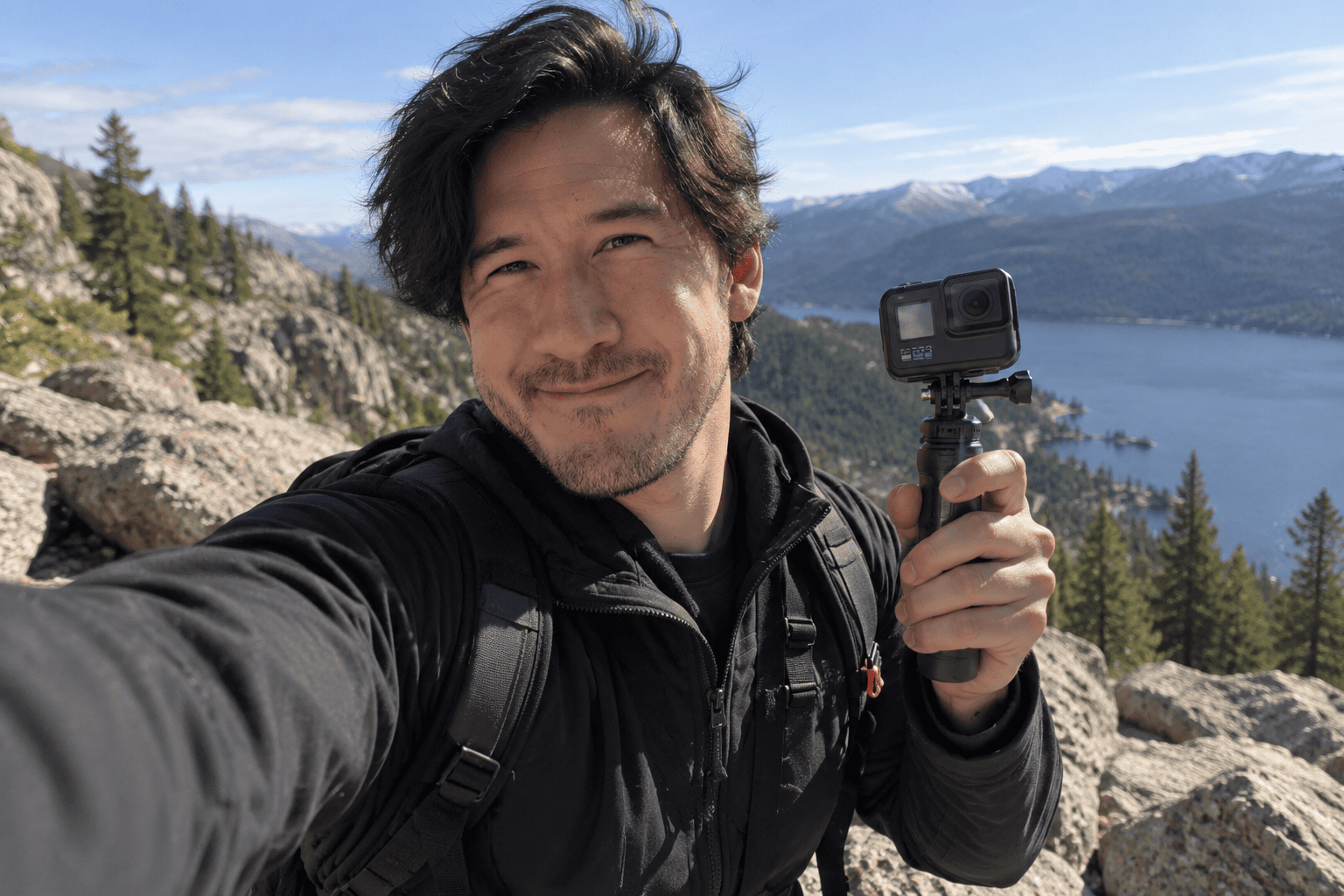
Mark Fischbach, known online as Markiplier, disclosed an 8.5% stake in GoPro through a Schedule 13G filing dated August 20, making him the company's largest single shareholder. In an interview with Bloomberg, Fischbach said he believed GoPro's shares were undervalued and expressed a desire to see the company succeed. He framed the investment as part of a broader effort to democratize filmmaking, noting his prior investment in Strada, a file-transfer service for creators.
The news quickly captured the attention of retail traders, many of whom have historically targeted GoPro as a heavily shorted stock. The combination of a celebrity investor and a potential turnaround narrative has reignited meme-stock enthusiasm, contributing to the stock's explosive gains.
$285M Starman merger: a new direction
GoPro's rally accelerated after the company announced a definitive merger agreement with Starman Optical. Under the terms, Starman will pay GoPro shareholders $285 million in cash, or $1.14 per share, and will receive a 90% stake in the combined entity. Existing GoPro shareholders will retain the remaining 10%. The deal is expected to repay GoPro's approximately $92 million in outstanding debt and is targeted to close by the end of the year, with GoPro remaining listed on the Nasdaq.
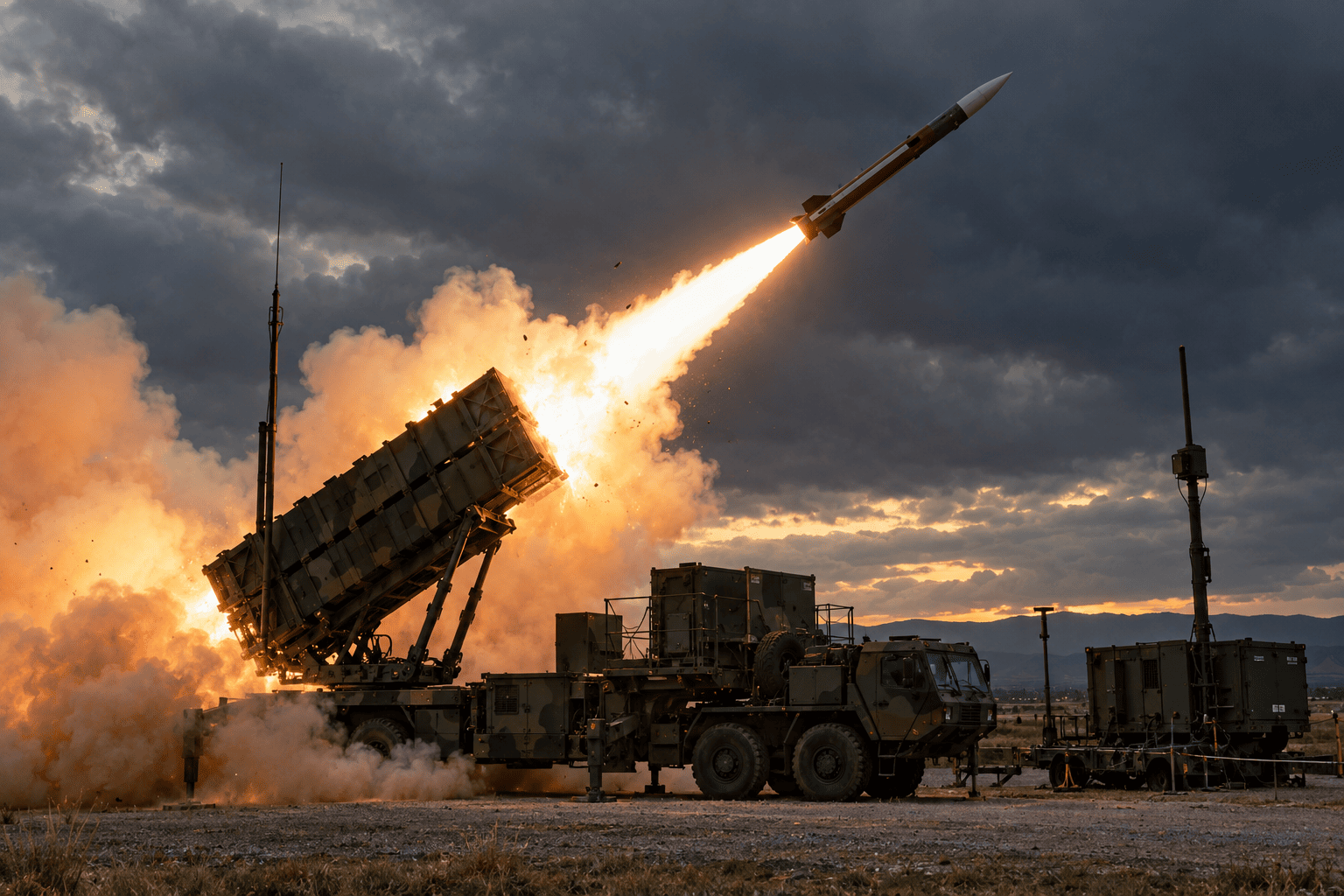
Starman manufactures optical transceivers for AI data centers in the U.S. The merger is designed to give GoPro exposure to commercial, defense, and AI markets while leveraging its portfolio of over 2,500 U.S. patents, particularly in optics and imaging. The companies also plan to bring some optical equipment production back to the U.S., though no timeline was provided.
GoPro CEO Nicholas Woodman stated that the merger would enable the company to expand across consumer, commercial, and defense markets, positioning it as an American imaging and optical solutions provider. The deal follows GoPro's May announcement that its board was exploring strategic alternatives.
Challenges persist despite rally
The sharp rise in GoPro's stock comes after years of declining market value and financial strain. GoPro debuted in 2014 at $38 per share, reaching a valuation of about $4 billion on its first trading day. Since then, the stock has lost roughly 96% of its value, as competitors like DJI and Insta360 have eroded its market share. Revenue in the June quarter was down more than 80% from the $633.91 million recorded in Q4 2014.
More recently, rising memory chip prices, driven by AI infrastructure expansion, have added pressure on GoPro's margins. In June, the company warned of substantial doubt about its ability to continue as a going concern over the next 12 months. Despite these headwinds, GoPro has said it will continue supporting its existing consumer products, subscriptions, and cloud platform while investing in a broader product roadmap.
The proposed merger with Starman is subject to closing conditions, and the company still faces significant financial and competitive challenges. However, the combination of Markiplier's stake and the Starman deal has brought GoPro back into the spotlight, offering a potential path into AI infrastructure and defense markets. Investors are watching closely to see if this momentum can be sustained.
This article is for informational purposes only and does not constitute financial advice.