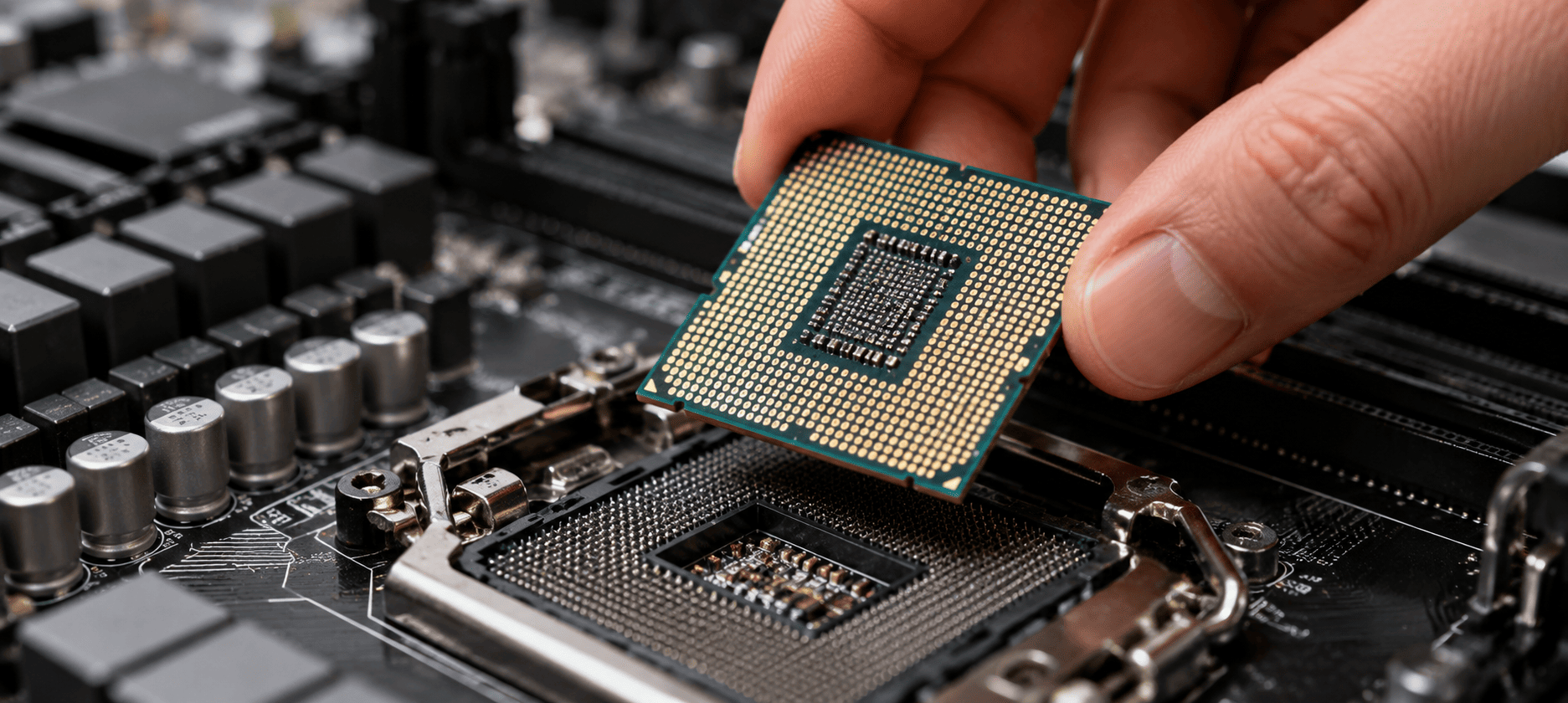
Tom Sosnoff, founder of tastytrade, is cautioning investors that the recent rebound in AI chip stocks may be premature. In an interview with CNBC, Sosnoff stated that Nvidia, AMD, and Micron have not yet declined sufficiently to be considered attractive oversold opportunities. His comments come after the Nasdaq composite fell 5.3% in October, marking its worst monthly performance since March 2025.
Concentration Risk in AI Leaders
Sosnoff's primary concern is the market's heavy reliance on a handful of semiconductor giants. While many AI-related stocks have struggled, Nvidia, AMD, and Micron have continued to support the broader index. He argues that these leaders "really haven't sold off enough" to describe the market as "even remotely oversold."

This resilience creates a concentration problem. When a few large-cap stocks cushion index losses, they can mask underlying weakness in other sectors. If these leaders subsequently lose support, the averages could face additional pressure, even after smaller constituents have already experienced significant declines. Therefore, a rebound in the index offers limited evidence that the correction is complete.
Targeting a 25-35% Decline
Sosnoff indicated that he would want to see a sell-off of between 25% and 35% in some of the biggest names before considering them meaningfully oversold. He clarified that this range represents his threshold for interest, not a forecast of future declines. He was more receptive to Intel stock, noting that its Friday decline made shares around $65–$66 look potentially interesting, though he added, "I don't know if it is" cheap.
This hesitation underscores a key distinction: a sharp decline lowers investor expectations but does not necessarily mean the remaining valuation adequately reflects business risks. Sosnoff's comments suggest selective interest in distressed prices rather than a blanket endorsement of semiconductor stocks.
Monday's Rebound Complicates Entry
Despite his caution, Sosnoff stopped short of predicting an immediate market breakdown. As long as core leaders continue holding up, he said, the market is "probably okay." However, he expressed concern about the entry point. A late Friday recovery followed by a higher Monday opening reduced the appeal of buying into weakness. He would have preferred a Friday close near the lows followed by another decline Monday, creating a more attractive opportunity.
Instead, he anticipates choppy trading and the possibility of oversold conditions emerging around midweek. The practical takeaway is to distinguish confidence in the AI investment theme from confidence in today's purchase price. His remarks leave room for opportunities while questioning whether the most popular chip stocks already offer them.
This article is for informational purposes only and does not constitute financial advice.