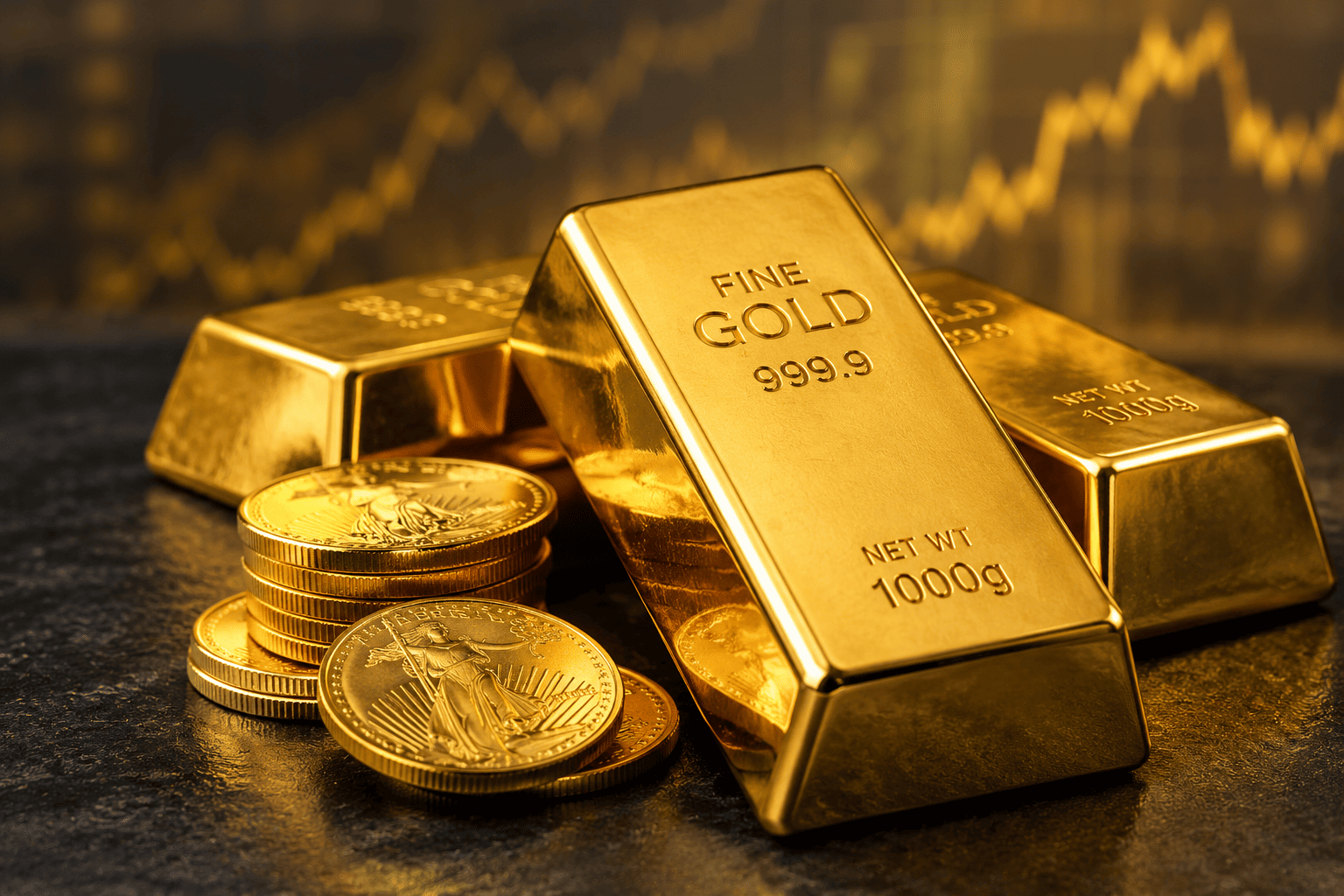
Gold prices staged a modest recovery on Monday, climbing to an intraday high of $3,930 as crude oil prices pulled back. The precious metal rebounded from Friday's low of $3,872, though market participants remain cautious about the sustainability of this bounce. With the US midterm elections and the latest nonfarm payrolls report on the horizon, gold's trajectory could hinge on political and economic developments.
Midterm Elections: A Key Catalyst for Gold
The upcoming midterm elections will determine control of the House of Representatives and the Senate. Polls suggest a likely Democratic victory in both chambers, which could complicate President Donald Trump's legislative agenda. A divided government may lead to contentious budget negotiations, potentially triggering another government shutdown and exacerbating debt ceiling disputes. Additionally, a Democratic Congress could temper Trump's tariff policies, which have contributed to elevated consumer prices.

Geopolitical Risks: US-Iran Tensions
Another factor weighing on gold is the potential for renewed US-Iran conflict. Analysts speculate that a decisive Democratic win might prompt Trump to escalate military actions against Iran, possibly to divert attention from domestic political setbacks. Gulf nations have warned that any US attack would provoke substantial retaliation from Iran, targeting critical infrastructure such as oil terminals, bridges, data centers, and desalination plants. Such a scenario could drive crude oil prices sharply higher, entrenching inflation further. Gasoline and diesel prices have already surged to $4.20 and $5.60 per gallon, respectively, and could climb higher.
Inflation and Federal Reserve Policy
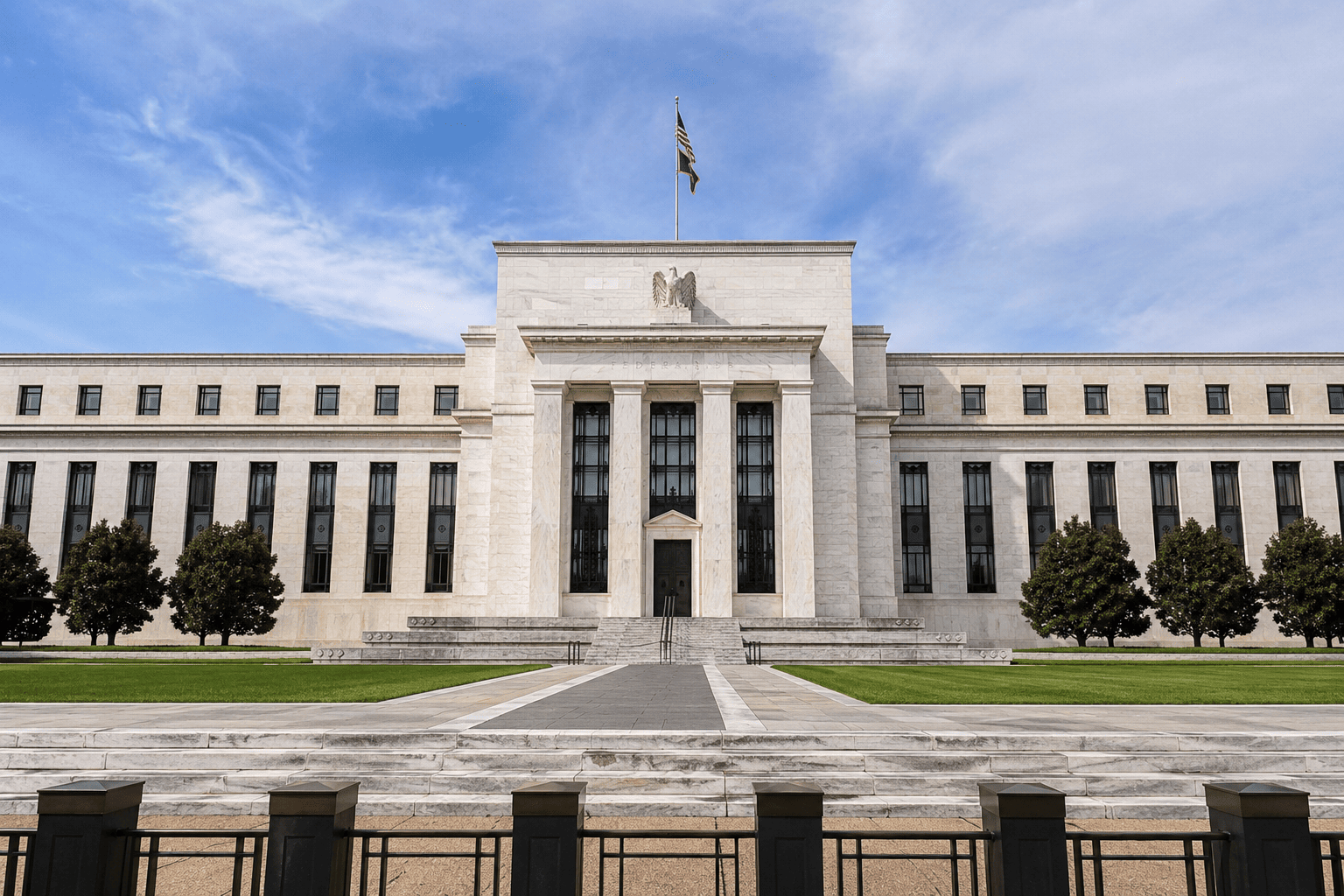
Persistently high inflation would likely reinforce the Federal Reserve's inclination to raise interest rates at its December meeting. The central bank has been grappling with price pressures, and any escalation in energy costs would strengthen the case for tighter monetary policy. Higher rates typically weigh on gold, as they increase the opportunity cost of holding non-yielding assets.
Nonfarm Payrolls: The Next Data Point
Investors will also scrutinize the upcoming nonfarm payrolls report, which is expected to show the US economy added 68,000 jobs in October, following a gain of 29,000 in September. A stronger-than-expected jobs number could solidify expectations for a December rate hike, while a weak reading might prompt the Fed to hold off. The data will be pivotal in shaping gold's near-term direction.
Technical Outlook: Resistance and Support Levels
From a technical perspective, gold has been in a pronounced downtrend, sliding from an August high of $4,695 to Friday's low of $3,872. The current rebound appears to be a dip-buying opportunity, but the metal faces immediate resistance at $3,947, which was the lowest level in June. A break above this level could signal a continuation pattern, but analysts suggest that gold is likely to resume its decline, potentially targeting the key support at $3,800.
As the week unfolds, gold traders will closely monitor election results, geopolitical developments, and employment data to gauge the metal's next move. The interplay between inflation, Fed policy, and political uncertainty will likely dictate gold's trajectory in the coming sessions.
This article is for informational purposes only and does not constitute financial advice.