Nvidia shares declined sharply on Friday, falling more than 4.8% to trade around $203.40, as a broad technology selloff and a pair of disappointing earnings reports from Amazon and Intel weighed on semiconductor stocks. The Philadelphia Semiconductor Index dropped roughly 7%, while the Nasdaq Composite fell nearly 2.5%. The S&P 500 and Dow Jones Industrial Average also traded lower.
The pullback reflects growing investor anxiety over the scale of spending required to build artificial intelligence infrastructure and how long it will take for those investments to generate returns. That concern was amplified by Amazon's third-quarter results, which showed a trailing 12-month free cash flow outflow of $42.4 billion, compared with a positive $14.8 billion a year earlier. The swing was driven largely by higher investment in property and equipment, primarily for AI. Amazon maintained its capital expenditure outlook of approximately $220 billion for 2026, reinforcing questions about the pace of future cash generation.

Intel guidance adds pressure to chip sector
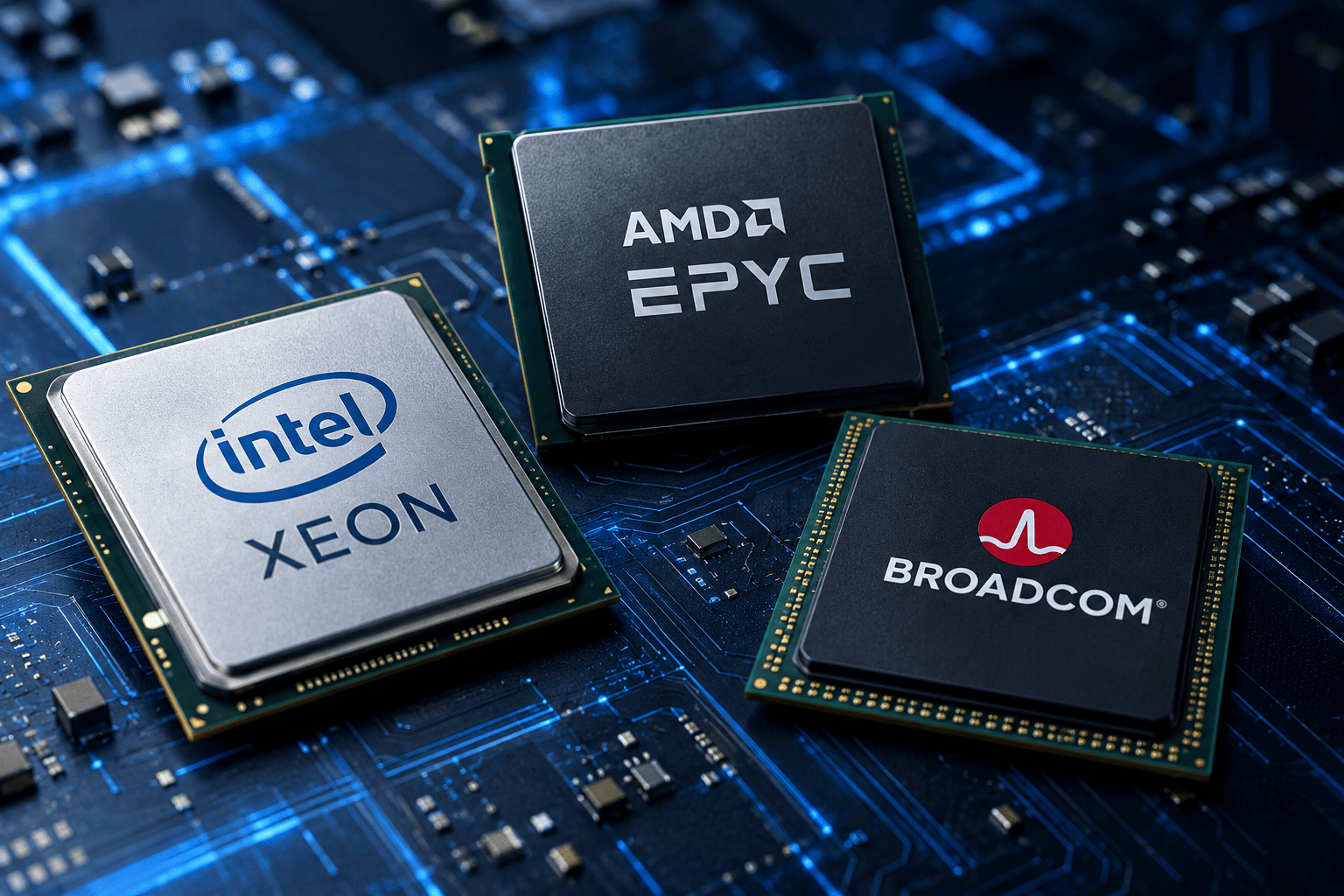
Intel's weaker-than-expected fourth-quarter guidance further unsettled the chip sector. Although the company beat third-quarter earnings estimates, it forecast revenue of $15 billion to $16 billion for the current quarter, below Wall Street's expectation of around $17 billion. Its adjusted earnings forecast of 25 cents per share also missed the consensus estimate of approximately 43 cents. Intel shares plunged nearly 29%, while AMD dropped around 10%, adding to the pressure on Nvidia and other semiconductor companies.
Alphabet's results had already contributed to the technology selloff a day earlier. The Google parent reported third-quarter free cash flow of negative $9.07 billion as capital expenditure on AI infrastructure climbed, while weaker-than-expected advertising revenue added to investor concerns.
Report raises questions over Jensen Huang's contact
Separately, a New York Times report published Thursday said US intelligence agencies had concluded that Alice Huang, also known as Huang Le, an executive at Singapore-based data centre company Megaspeed, was allegedly acting as a Chinese intelligence asset and passing commercial information to Beijing. The report said surveillance had revealed that she developed a close relationship with Nvidia CEO Jensen Huang.
Nvidia rejected suggestions that the interactions were unusual, saying meetings with customers were part of the CEO's job. The company also said regional cloud customers received ordinary business information, not sensitive trade secrets or information relevant to national security.
DOJ questions Hugging Face deal
Nvidia is also facing questions from the US Department of Justice over its proposed $12.93 billion acquisition of open-source AI platform Hugging Face. Reuters reported that the department has asked whether the deal could give Nvidia control over an important distribution channel for AI and provide leverage over competitors. The inquiry forms part of a broader examination of Nvidia's acquisitions, investments and sales practices. The DOJ's questions do not establish wrongdoing or mean that legal action will necessarily follow.
For investors, Friday's session highlighted how quickly sentiment in the AI trade can shift when spending plans, competitive dynamics and regulatory attention converge. Nvidia remains central to the AI supply chain, but the combination of macro pressure on technology stocks and company-specific headlines left the shares under notable pressure.
This article is for informational purposes only and does not constitute financial advice.