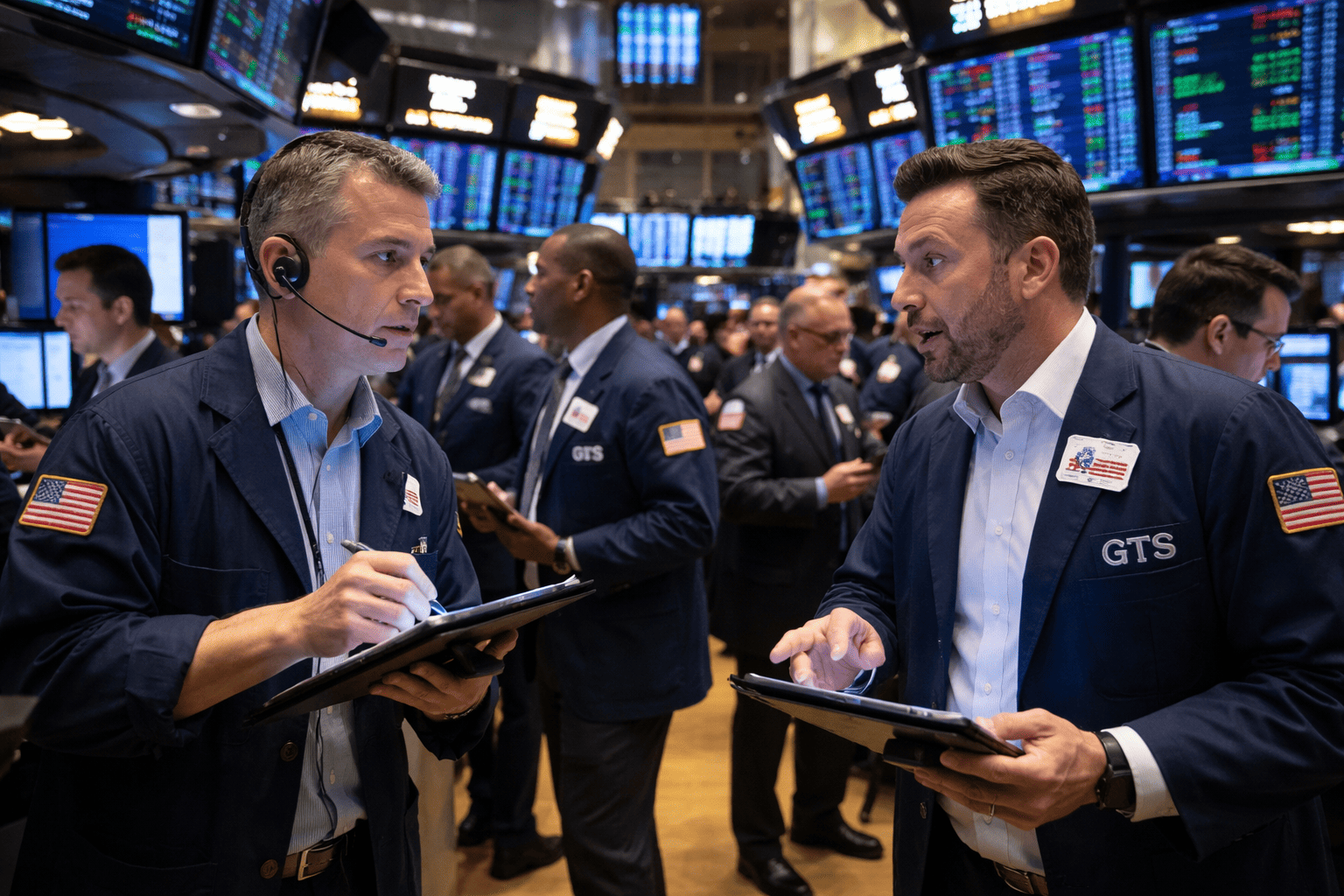
Exchange-traded funds tracking the Nasdaq 100, Dow Jones, and S&P 500—such as QQQ, DIA, and VOO—have experienced a pullback in recent weeks, driven by escalating concerns over the artificial intelligence sector. The tech-heavy Nasdaq 100 has been hit hardest as AI-related stocks continue to sell off. This week presents several catalysts that could influence these assets.
AI Jitters Intensify
The primary driver of volatility for these ETFs remains the growing unease surrounding AI. This sentiment was amplified in Asia, where Kioxia Holdings issued a weak operating profit forecast, causing its shares to plummet by over 15%. As a major supplier of storage devices, Kioxia's guidance is seen as a bellwether for the AI industry. Additionally, reports indicate that OpenAI has raised only $11 billion of its targeted $30 billion, highlighting funding challenges within the sector.

Investors are now highly sensitive to any negative news related to AI. Last week, the ETFs declined after tech giants like Amazon and Alphabet reported earnings that disappointed the market.
Earnings Season Continues
Another significant catalyst is the wave of corporate earnings scheduled for this week. Apple, the world's largest company, will be among the first to report. Analysts remain optimistic about Apple due to its measured approach to AI. Unlike Google, Amazon, and Meta, Apple is not committing hundreds of billions to capital expenditures. Instead, it focuses on enhancing AI features like Siri, which has allowed it to generate substantial free cash flow while others face negative cash flow.
Other notable companies reporting include Palantir Technologies, Vertex Pharmaceuticals, Marriott International, AMD, Arista Networks, Shopify, Arm Holdings, and Qualcomm.
Jobs Data and Fed Policy
The recent pullback in QQQ, DIA, and VOO also reflects the Federal Reserve's hawkish stance. The Fed recently raised interest rates by 25 basis points to combat inflation, leaving rates between 3.75% and 4%. This week's employment figures will provide clues on whether the Fed will hike again next month. The ADP private payrolls report is due Wednesday, followed by the Bureau of Labor Statistics' nonfarm payrolls on Friday. Strong jobs numbers could prompt another rate increase, while weak data might encourage a pause.
Midterm Elections
The upcoming US midterm elections, which will determine control of Congress, could also influence market sentiment. Most analysts expect Democrats to retain the House and possibly the Senate. However, any policy changes will only take effect after the new Congress is sworn in January. A divided Congress could hinder major legislation on tax cuts, spending, and regulation. Historically, the stock market has performed well regardless of which party controls the White House or Congress, with record highs seen during Joe Biden's presidency even when Republicans won midterms.
Investors should keep a close eye on these developments as they unfold this week.
This article is for informational purposes only and does not constitute financial advice.