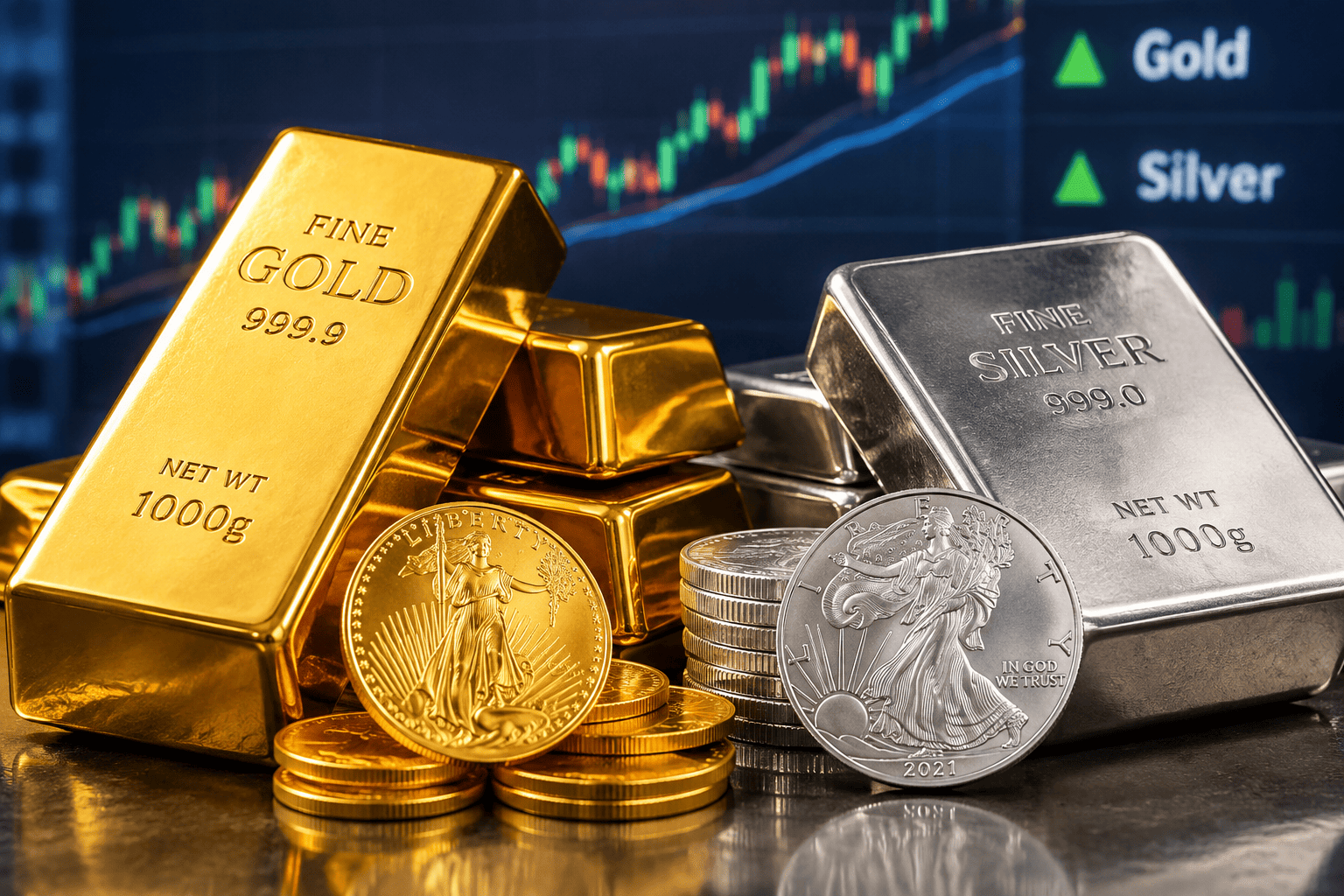
Silver prices surged toward the $60 an ounce mark on Monday, driven by a sharp decline in oil prices that alleviated inflation fears and shifted investor focus back to interest rate expectations. The rally extended a broader precious metals advance, with gold also climbing above $4,100.
Spot silver rose 2.8% to $59.81 in early Asian trading, as a pause in hostilities between the US and Iran reduced the immediate risk of supply disruptions in the Middle East. The easing of geopolitical tensions allowed traders to look beyond short-term risks and reassess the macroeconomic outlook.
Industrial demand adds momentum
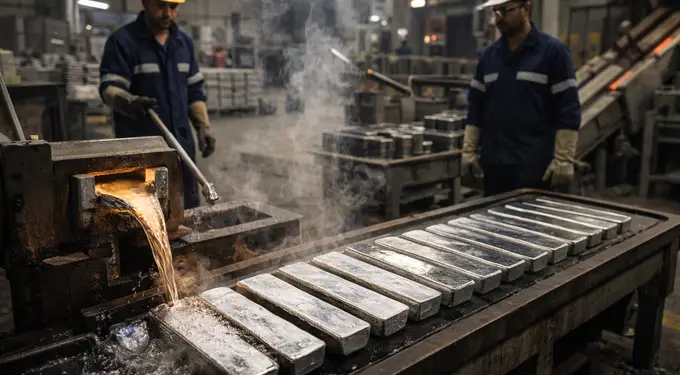
Silver's gains outpaced those of gold, reflecting its dual role as both a precious metal and an industrial commodity. The metal is widely used in solar panels, electronics, and electric vehicles, making it more sensitive to changes in economic sentiment than gold.
The retreat in crude oil prices lowered concerns about rising production costs and improved the outlook for manufacturing and global demand. This combination encouraged investors to increase exposure to silver, benefiting from both its safe-haven appeal and its industrial applications.
Silver's dual identity has amplified recent price swings. The metal struggled earlier when surging crude prices threatened economic growth and pushed bond yields higher. Monday's reversal provided relief on both fronts, prompting traders to rebuild positions after the metal's retreat from its July peak.
Weaker dollar strengthens the rebound
A softer US dollar provided additional support for silver. The dollar index slipped about 0.3%, lowering the cost of silver for buyers using other currencies and boosting demand across the broader metals market. This move also helped silver outperform as traders rotated into higher-beta precious metals.
Silver typically experiences larger percentage swings than gold due to its smaller market and greater exposure to speculative positioning. The latest advance, however, still needs to attract sustained buying interest. A brief improvement in geopolitical sentiment may not be enough to maintain the rally if the dollar rebounds or investors begin reducing commodity exposure again.
For now, the combination of improved risk appetite, a softer dollar, and silver's industrial demand story has brought the $60 level back within reach. The metal's recent performance also reflects broader trends in the dollar's reaction to trade tensions and geopolitical developments.
The $60 barrier remains a key test
Silver's rebound has brought the psychological $60 level back into focus, but the technical picture is not yet decisively bullish. The metal remains within a pattern of lower highs after retreating from the July 22 peak of $60.94.
A sustained break above that level would strengthen the recovery case and could attract momentum buyers. Conversely, failure to hold near $60 would leave silver vulnerable to another pullback, with the July 17 low of $54.77 serving as the key downside reference.
Market participants are now watching for signals from the Federal Reserve, as its guidance on interest rates will play a crucial role in determining silver's next move. The durability of the US-Iran pause will also be a factor, as any renewed tensions could quickly reverse the current risk-on sentiment.
Silver's recent price action also highlights the interplay between geopolitical events and economic data. For context, the metal's earlier struggles were reflected in rate hike bets capping gains, while the current rally benefits from a more favorable inflation outlook.
For now, silver is benefiting from a rare combination of easing oil prices, a softer dollar, and reduced rate anxiety. Whether this becomes a durable rally will depend on the Fed's message and the sustainability of the US-Iran pause.
This article is for informational purposes only and does not constitute financial advice.