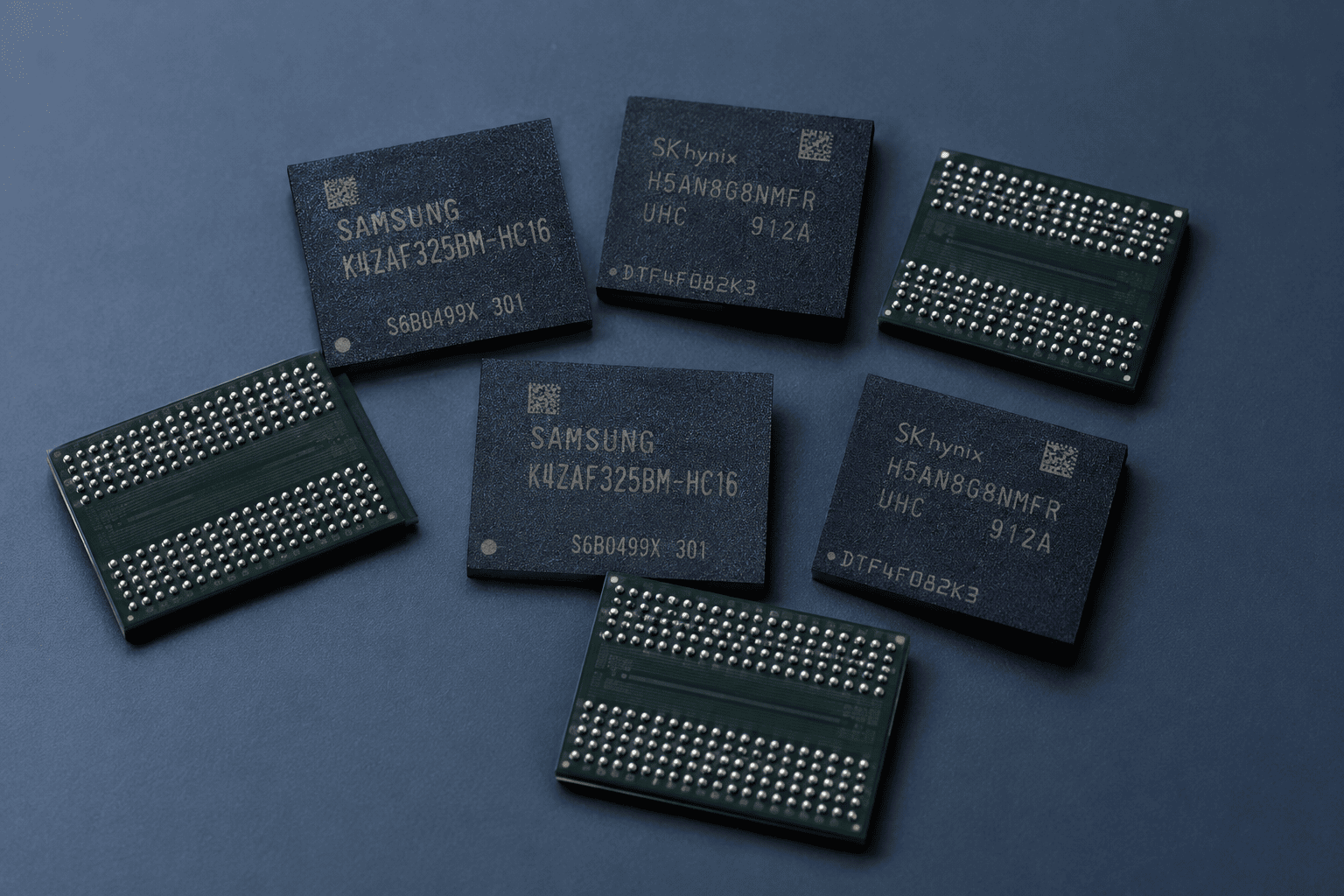
South Korea's two largest memory chipmakers, Samsung Electronics and SK Hynix, are generating cash at an unprecedented rate thanks to surging demand for AI-focused semiconductors. Yet both companies are facing mounting pressure from shareholders to return more of that wealth through dividends and share buybacks, as their stock prices have tumbled from June peaks.
SK Hynix shares have fallen roughly 48% from their June record high, while Samsung Electronics is down about 37% over the same period. The declines have amplified calls for stronger shareholder-friendly measures, with retail investors and fund managers alike demanding action.
Shareholder activism heats up
South Korean retail investor platform ACT launched a campaign on Tuesday seeking an extraordinary shareholders' meeting at Samsung Electronics. The group is calling for the company to repurchase approximately $32 billion worth of shares and to cap executive performance bonuses.
"This is not simply an expression of dissatisfaction over a falling share price. We are asking a basic capital-market question: who really owns a corporation?" ACT said in a statement reported by Reuters. "Retail shareholders are like a company's fan club: they praise it when it performs well and take out the stick when it does not."
Some investors have also urged SK Hynix to raise its shareholder return ratio to at least 80% of free cash flow, well above its current policy. The company's 25-day quiet period following its U.S. American depositary receipt sale ended on August 4, clearing the way for potential announcements on capital allocation that analysts have been anticipating.
Cash piles dwarf global tech peers
According to Reuters calculations using LSEG data, Samsung and SK Hynix are expected to hold a combined $263 billion in net cash by the end of this year. That figure is more than double Nvidia's estimated $102 billion cash balance and exceeds the combined cash reserves of the remaining six members of the Magnificent Seven group of U.S. technology companies.
Samsung's semiconductor division reported operating profit of 89.2 trillion won ($61.7 billion) for the second quarter, more than 250 times higher than the same period a year earlier. Overall operating profit came in at 60.5 trillion won, up from 9.2 trillion won a year earlier, though slightly below analysts' estimates of 64 trillion won compiled by LSEG SmartEstimate.
SK Hynix has also accumulated record cash levels. The company said its net cash reached 88 trillion won at the end of June and aims to increase that to more than 100 trillion won to support customer demand and maintain business stability.
Investors seek confidence signal
Many investors argue that retaining such large cash balances risks sending the wrong message to markets. Templeton Global Investments portfolio manager Yiping Liao told Bloomberg that any announcement outlining larger shareholder distributions would provide the "clearest signal" that management believes the AI boom is structural rather than cyclical.
"If you think there's less cyclicality, you don't need so much cash on your balance sheet," Liao said. "And we know that they're going to earn a phenomenal amount of cash this year and next year."
Compared with international peers, Samsung and SK Hynix continue to lag in shareholder returns. Both companies currently target shareholder distributions equivalent to about half of free cash flow, whereas U.S. memory chipmaker Micron pledged in June to return 100% of free cash flow to shareholders.
"If you stick to something around a 50% free cash flow return, you are going to end up with an incredibly inefficient balance sheet," Richard Clode, portfolio manager at Janus Henderson Investors, whose fund owns SK Hynix shares, told Reuters. "If you come out and say, 'Well, we're a bit unsure about the future, so we can't commit to a long term, big shareholder return program,' then you're just feeding the narrative that this is temporary, this is cyclical."
Companies promise updates
During last week's earnings call, SK Hynix said only that it was evaluating additional shareholder return measures and would announce details later this year. JPMorgan analysts subsequently lowered their target price for SK Hynix shares, saying that a "clear stance on capital allocation is imperative ... to restore stock sentiment."
In comments provided to Reuters, SK Hynix said: "Based on record-high cash generation capabilities, the company believes that it can meaningfully expand shareholder returns while maintaining investments and financial soundness."
Samsung similarly indicated that discussions on its shareholder return policy are ongoing. "While we remain focused on maintaining a healthy balance sheet to manage cyclical risks and fund growth initiatives, we are also exploring ways to enhance shareholder returns in a sustainable manner," the company told Reuters, adding that it aims to announce details "very soon."
The situation echoes broader market dynamics, where AI-driven demand has lifted memory chipmakers but also raised questions about sustainability. For context, Musk's memory demand warning has fueled a bullish case for Micron and SK Hynix, while SK Hynix ADRs surged 8% as analysts bet on AI memory leadership. Meanwhile, Western Digital shares slid 11% on muted guidance despite a record quarter, highlighting the sector's volatility.
This article is for informational purposes only and does not constitute financial advice.