
SpaceX's first earnings call may have disappointed some investors, but CEO Elon Musk delivered a powerful tailwind for the memory chip sector. Speaking during the call, Musk argued that demand for memory chips is rising at a pace that far outstrips global production, suggesting that prices could remain elevated for years despite aggressive capacity expansion by manufacturers. His remarks reinforce the long-term investment case for companies such as Micron Technology, SK Hynix, and Samsung Electronics, all of which are racing to meet surging demand from artificial intelligence infrastructure.
Musk's comments come at a time when memory stocks have experienced significant volatility. Micron shares were down around 2% in premarket trading on Wednesday after gaining ground over the previous two sessions, while SK Hynix slipped roughly 3%. Investor concerns have centred on whether hyperscale cloud providers could eventually slow their AI spending and whether Chinese memory producer CXMT could emerge as a stronger competitor. Sentiment, however, has improved this week following stronger-than-expected earnings from Amazon, Microsoft, and Google, whose cloud businesses continued to report accelerating AI demand. Broader market optimism surrounding easing tensions in the Middle East has also supported semiconductor stocks.
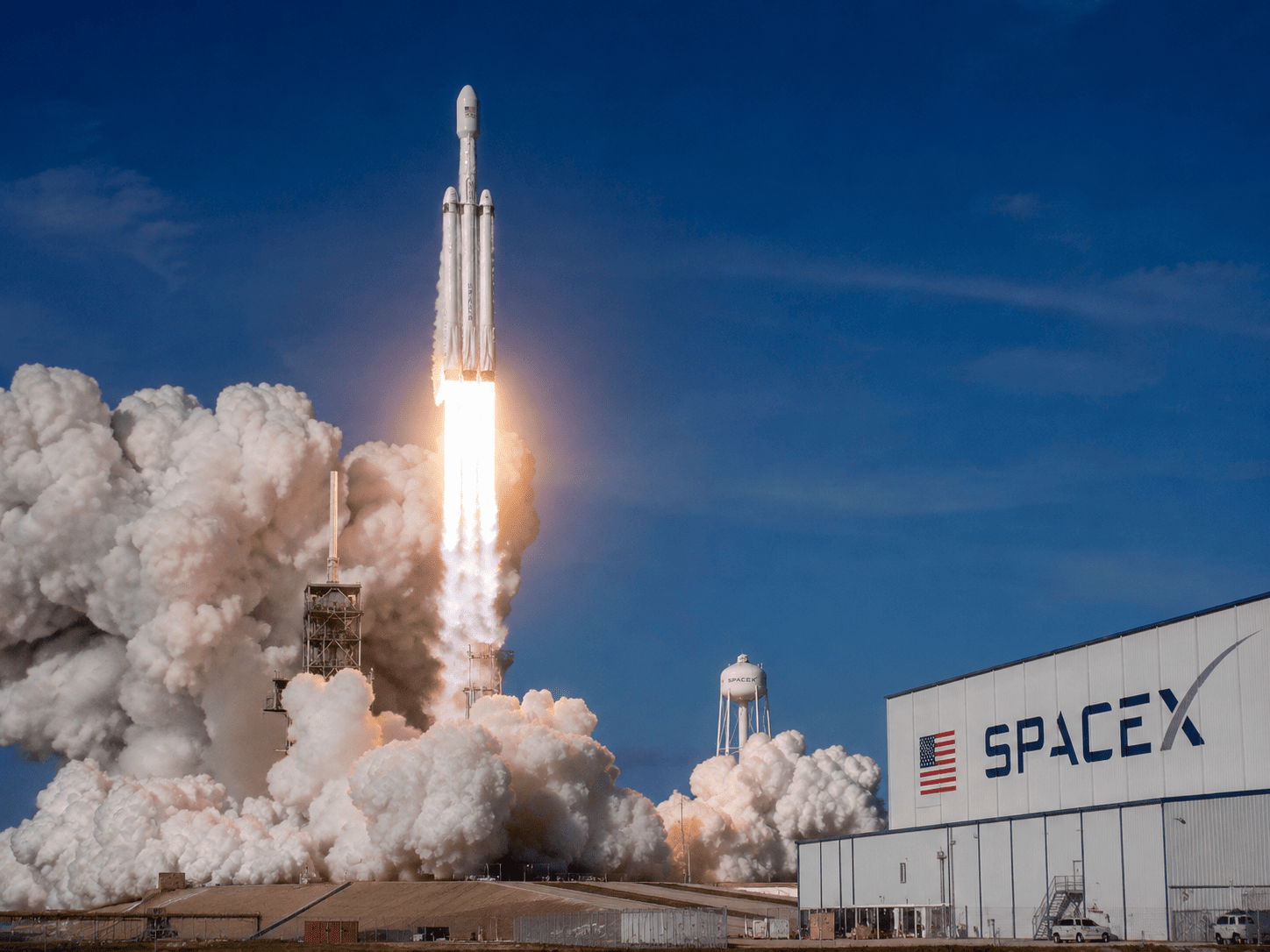
Musk: Memory is the industry's biggest bottleneck
Musk made the comments while responding to a question from JP Morgan analyst Doug Anmuth, who asked about supply-demand dynamics and whether SpaceX would be able to maintain its premium pricing. "Look at the rate at which logic and memory is being produced. One must always consider the limiting factor here. The limiting factor currently is memory," Musk said. "The memory output is increasing by around 20% per year. Now, normally, that would be fantastically fast and amazing for any large mature industry." He contrasted that with the pace of demand growth: "Ask yourself, is the demand increasing by 20% a year? No, the demand is increasing by 200% a year, maybe higher. If you have got demand increasing much faster than supply, Economics 101 would suggest that the price increases. It does not decrease."
The comments come as AI companies continue pouring billions of dollars into data centers equipped with graphics processors and advanced memory chips, creating sustained demand across the semiconductor supply chain. This dynamic is particularly relevant for high-bandwidth memory (HBM), which is essential for training and running advanced AI models. As noted in a recent analyst note on SK Hynix, the company's leadership in HBM is a key driver of its growth prospects.
Deloitte expects shortages to persist for years
Industry forecasts continue to suggest that memory supply will struggle to keep pace with demand despite record investment. According to Deloitte, the world's three largest memory manufacturers—Micron, Samsung, and SK Hynix—are expected to increase their combined capital expenditure by nearly 340% between 2024 and 2027 to expand production. Memory-related investment could account for roughly half of total semiconductor industry capital expenditure by 2026. Even so, Deloitte noted that additional capacity will take years to come online because new fabrication plants typically require three to five years to build and ramp up production.
The consulting firm expects hyperscale cloud providers to allocate around 30% of their 2026 data-centre investments to memory, with that share projected to rise to 36% in 2027. Memory components also account for roughly one-quarter of the bill of materials for high-end AI server racks. As a result, Deloitte forecasts global memory sales could exceed $1 trillion in 2027, compared with approximately $230 billion in 2025. "The current memory supply tightness and elevated prices may persist until 2029 or even 2030, assuming continued demand among hyperscalers for memory chips. Other customers that need memory for devices such as PCs, smartphones, and other consumer electronics, as well as for non-AI data centres, will likely also need to contend with high memory prices," Deloitte said.
Bank of America sees Micron sell-off as buying opportunity
Musk's comments closely align with a bullish note issued by Bank of America this week, in which the brokerage reiterated its Buy rating on Micron and maintained a price target of $1,550, implying roughly 72% upside from Tuesday's closing price. Analyst Vivek Arya acknowledged that memory pricing and margins would eventually normalise as new capacity enters the market between mid-2027 and 2028. However, he argued that investors have become overly focused on a future downturn despite continued improvement in current industry fundamentals. "Hyperscaler spending continues to rise despite higher component costs, suggesting semis/memory pricing power," Arya wrote.
Bank of America also noted that GPU rental rates remain close to record highs and that none of the major cloud providers has indicated memory shortages are constraining AI deployments. The brokerage further dismissed concerns over Chinese manufacturer CXMT, arguing the company remains focused on commodity DRAM and does not currently pose a significant competitive threat in high-bandwidth memory used for AI workloads. This perspective is echoed in recent market moves, as SK Hynix ADRs jumped 5% on bullish analyst initiations.
While the broader market has seen record highs amid AI earnings strength, as highlighted in this week's market recap, the memory sector remains a key battleground for investors. The combination of Musk's demand warning, Deloitte's supply forecasts, and Bank of America's bullish stance suggests that memory stocks may continue to outperform despite short-term volatility. As always, investors should weigh these factors against their own risk tolerance and investment objectives.
This article is for informational purposes only and does not constitute financial advice.