Shares of Quantum Computing (NASDAQ: QUBT) rallied sharply on Monday, gaining 13.65% to close at $11.28, as analysts reaffirmed bullish outlooks on the company's product pipeline and commercial momentum. The move came amid a broader market uptick and renewed investor interest in quantum-computing names.
Despite the single-day jump, QUBT has declined approximately 53% over the past 12 months, significantly underperforming sector peers such as Rigetti Computing (up 73%), IonQ (up 51%), and D-Wave Quantum (up 46%) over the same period. The company's unconventional evolution—from an inkjet-cartridge seller to a beverage distributor and now a quantum optics and photonic computing firm—has drawn both curiosity and scrutiny from investors.

Analyst Upgrades and Price Targets
Recent analyst commentary has helped improve sentiment around the stock. John McPeake of Rosenblatt Securities reiterated a Buy rating on June 10, maintaining a $22 price target that implies substantial upside from current levels. Edward Woo of Ascendiant Capital Markets also reiterated a Buy rating while raising his price target to $30 from $27.
Woo noted that Wall Street's revenue expectations for Quantum Computing appear achievable. Based on management discussions, he believes consensus estimates calling for full-year revenue of $20 million to $25 million are reasonable. Revenue growth has been supported in part by the company's all-cash $100 million acquisition of Luminar Semiconductor, which closed in February and contributed $3.7 million in revenue during the most recent quarter.
Qatalyst Software Platform as a Growth Driver
Woo also highlighted the potential of Quantum Computing's Qatalyst software platform. “As quantum computing hardware continues to advance, we expect a corresponding growth in demand for quantum software to run on these computers,” Woo wrote. Qatalyst is designed to allow developers to solve computational problems without requiring expertise in low-level quantum programming languages, potentially broadening access to quantum computing applications.
This software focus aligns with broader industry trends, where companies like Microsoft and Alphabet are investing heavily in quantum and AI capabilities.
Upcoming Hardware Launches as Catalysts
Analysts see upcoming hardware developments as potential catalysts for the stock. McPeake said there are “catalysts likely ahead” as Quantum Computing prepares to launch a more powerful version of its Dirac 3 system, while a separate next-generation hardware platform is also under development. Dirac, the company's flagship quantum-computing platform, was first released through cloud access in 2022.
The company has also secured government-related work. In 2024, Quantum Computing won a contract from NASA to enhance satellite radar imagery using a third-generation version of the Dirac system. These hardware launches are expected to play an important role in expanding the company's capabilities and market reach as competition in the quantum-computing sector intensifies.
Commercial Adoption and Miniaturization Strategy
Beyond research and government applications, Quantum Computing has reported signs of growing commercial traction. According to McPeake, the company sold a $332,000 quantum system to an unnamed large financial institution last year. It also conducted a live cybersecurity demonstration at a conference in March. The analyst expects revenue from quantum networking and cybersecurity applications to increase over time.
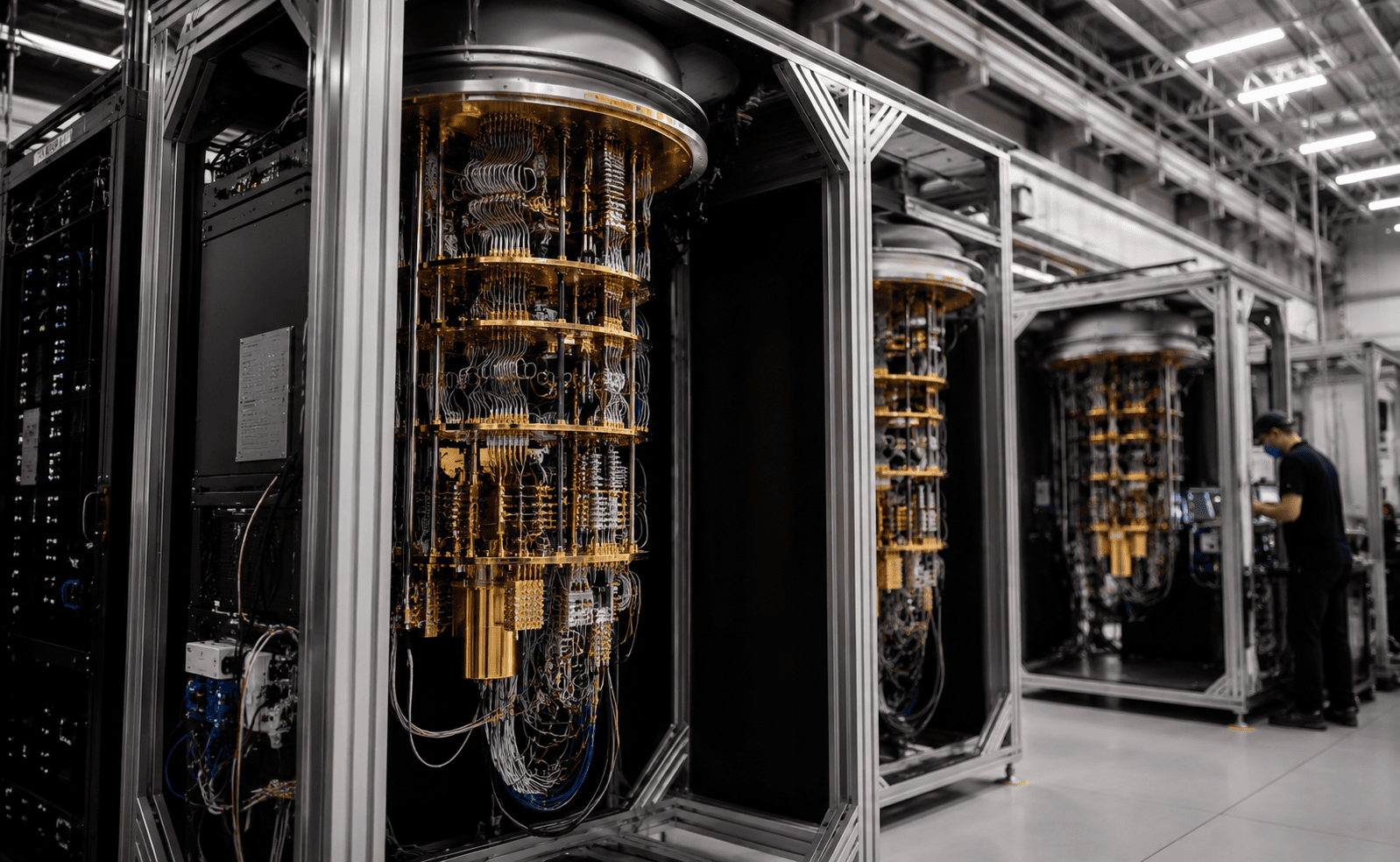
However, McPeake believes the company's larger long-term opportunity lies in product miniaturization. “Management sees a broader market” once the company condenses its bulky, rack-mounted systems into smaller chips in a few years, he wrote. The ability to reduce the size of its hardware could significantly expand the range of commercial applications for Quantum Computing's technology and potentially open new markets beyond its current customer base.
For context, other tech stocks have also seen analyst-driven moves recently, such as SanDisk and UnitedHealth, though the quantum sector remains highly speculative.
This article is for informational purposes only and does not constitute financial advice.