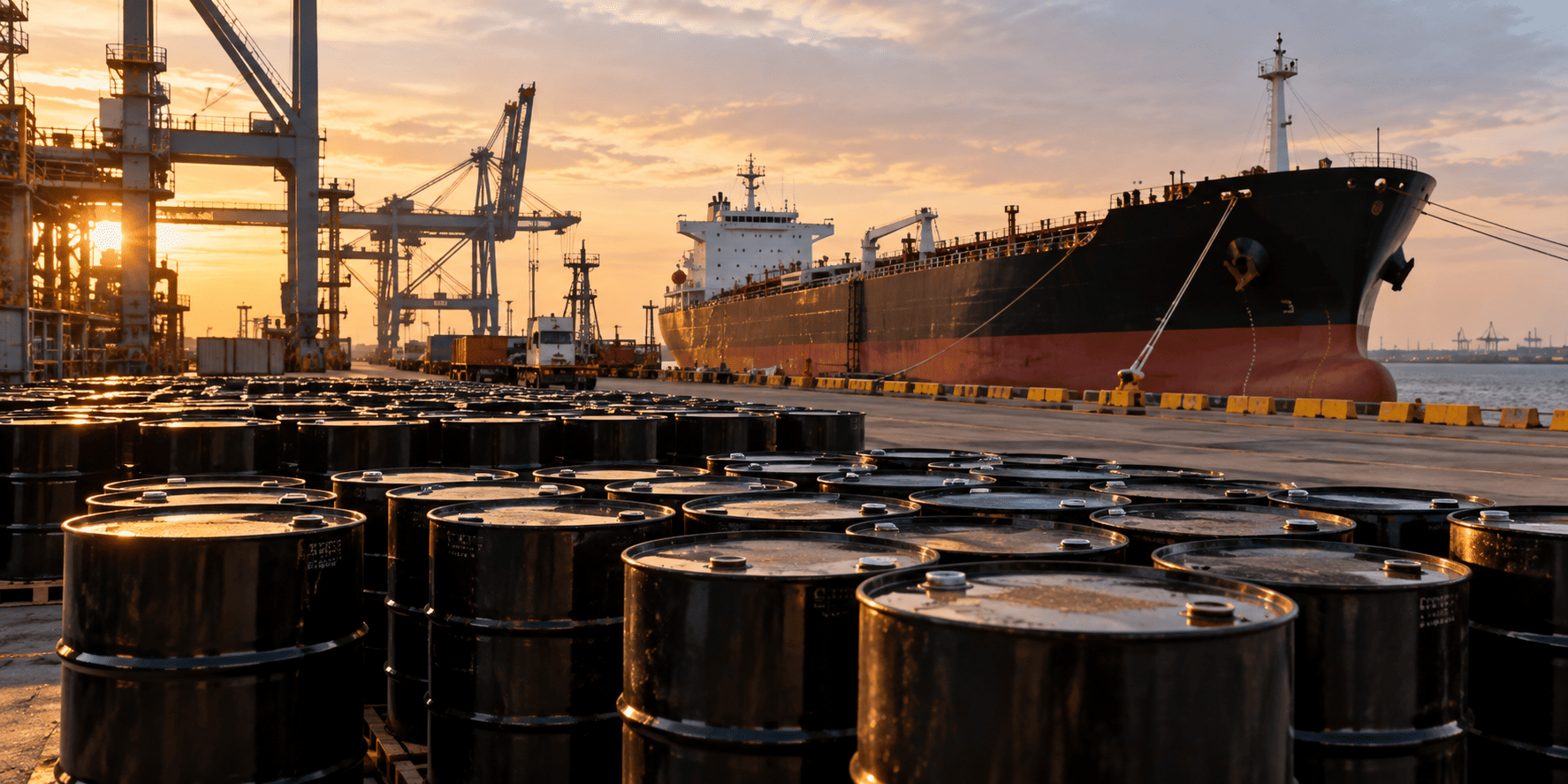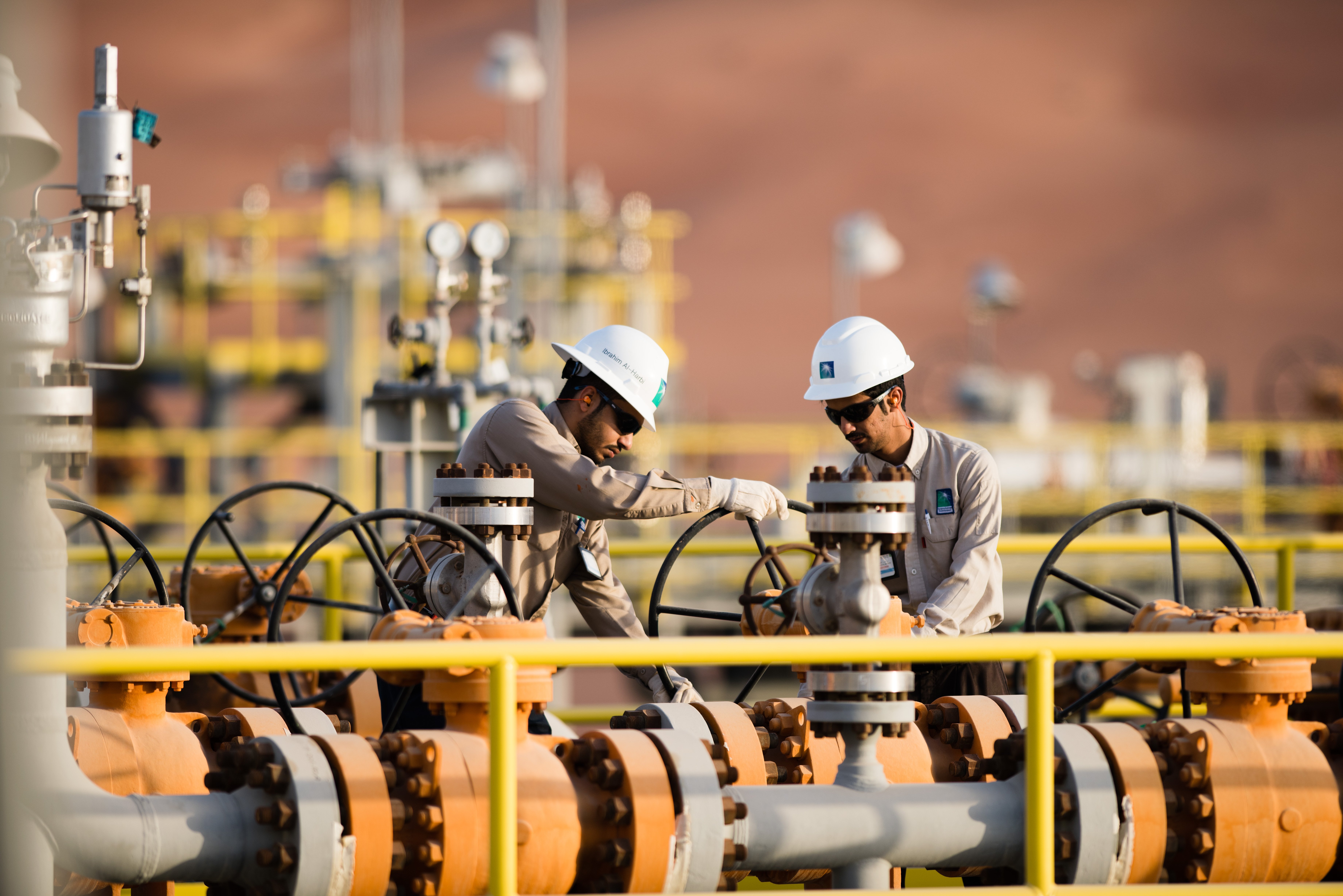
Oil prices tumbled more than 7% on Monday after President Donald Trump postponed a military strike on Iran and signaled support for negotiations to reopen the Strait of Hormuz. Brent crude pared losses to trade 5.11% lower at $83.44 a barrel, while West Texas Intermediate fell 5.79% to $79.77. Both benchmarks had surged over 20% in July as conflict and tanker attacks disrupted shipping in the region.
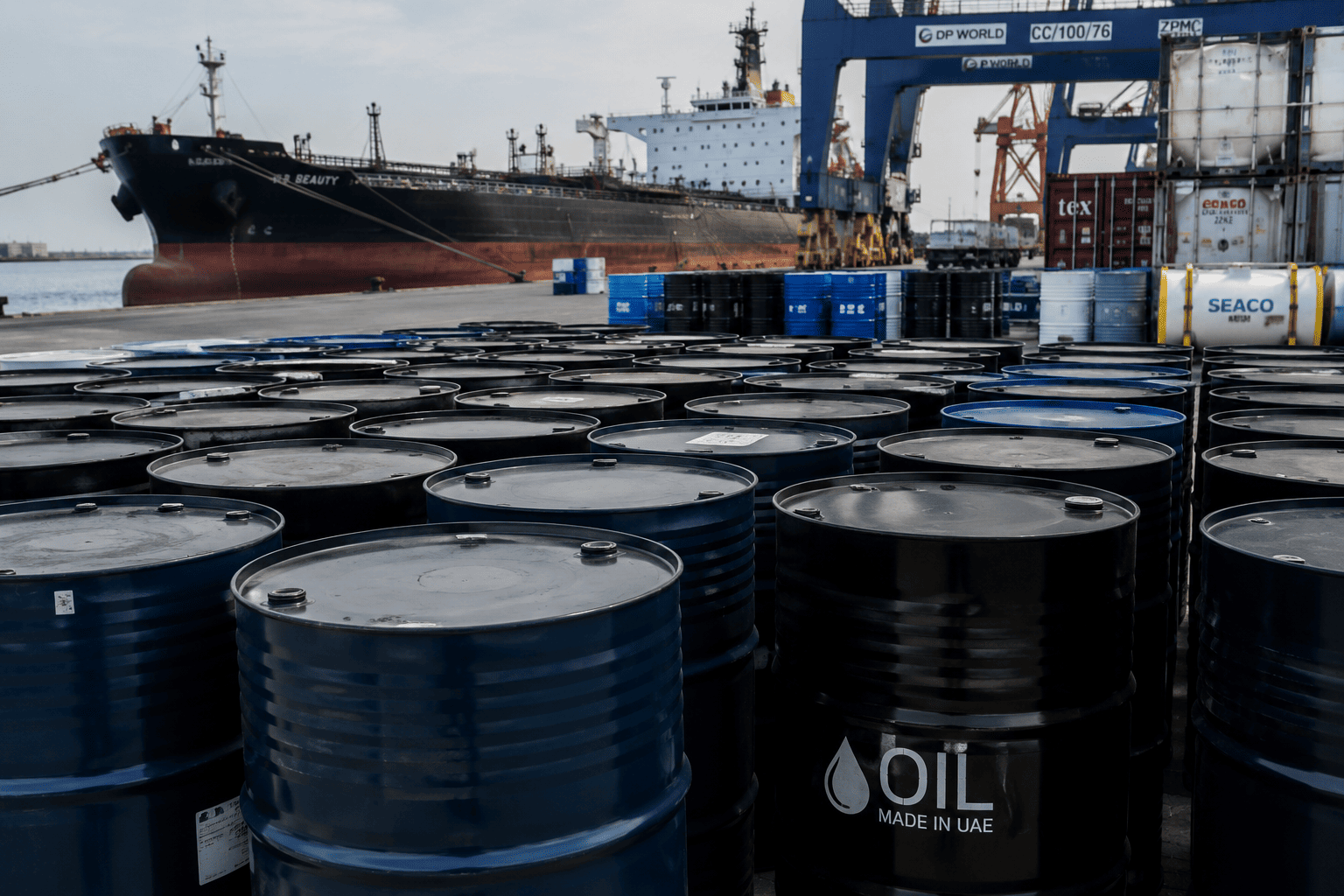
The market's bearish turn was reinforced by OPEC+ approving a September output increase of 188,000 barrels per day. However, the actual impact of that quota rise may be limited, as exports from the Gulf, Russia, and Kazakhstan remain constrained by ongoing conflicts. Higher production targets mean little when barrels cannot reach buyers.
Fragile peace hopes underpin the sell-off
Trump's decision to cancel the strike encouraged traders to strip out some of the geopolitical risk premium that had been built into crude prices. Yet the optimism may be premature. Previous attempts at de-escalation have faded when Iran retained control of the strait as leverage. As IG market analyst Tony Sycamore noted, the question is whether this becomes another "rinse and repeat" episode.
Shipping data offers little evidence that supply disruptions have been resolved. Traffic through Hormuz slowed over the weekend, and the UK Maritime Trade Operations reported three tanker attacks since Saturday. Before the conflict, the strait carried roughly one-fifth of global oil and LNG supplies, making its status critical for energy markets.
Hormuz remains the key risk
ING strategists Warren Patterson and Ewa Manthey warned that crude could be getting ahead of itself, as tanker flows have not improved. They argue that a sustainable decline requires clear evidence that vessels can navigate the route without fear of attack. The US pause removes the immediate threat of another strike, but it does not restore lost supply.
The potential for a sharp rebound remains significant. JPMorgan estimates that each additional month of disrupted supply could add $7–$8 per barrel to Brent. Goldman Sachs has outlined a scenario where continued Hormuz disruption pushes Brent toward $120. These are risk cases, not base forecasts, but they highlight the fragility of the current calm.
Anindya Banerjee, head of commodity research at Kotak Securities, told The Economic Times that his longer-term outlook remains unchanged, though the timing has shifted. Higher OPEC+ targets, record UAE production, and growing non-OPEC supply could cool crude into 2027, but the near-term path is uncertain.
For investors, the key takeaway is that the oil market remains highly sensitive to geopolitical headlines. While the immediate threat of a US strike has receded, the underlying supply risks have not disappeared. Traders should watch tanker movements, insurance costs, and loading schedules as more reliable indicators of de-escalation than political statements.
Related coverage: oil's slide on Iran pause and Hormuz traffic recovery.
This article is for informational purposes only and does not constitute financial advice.