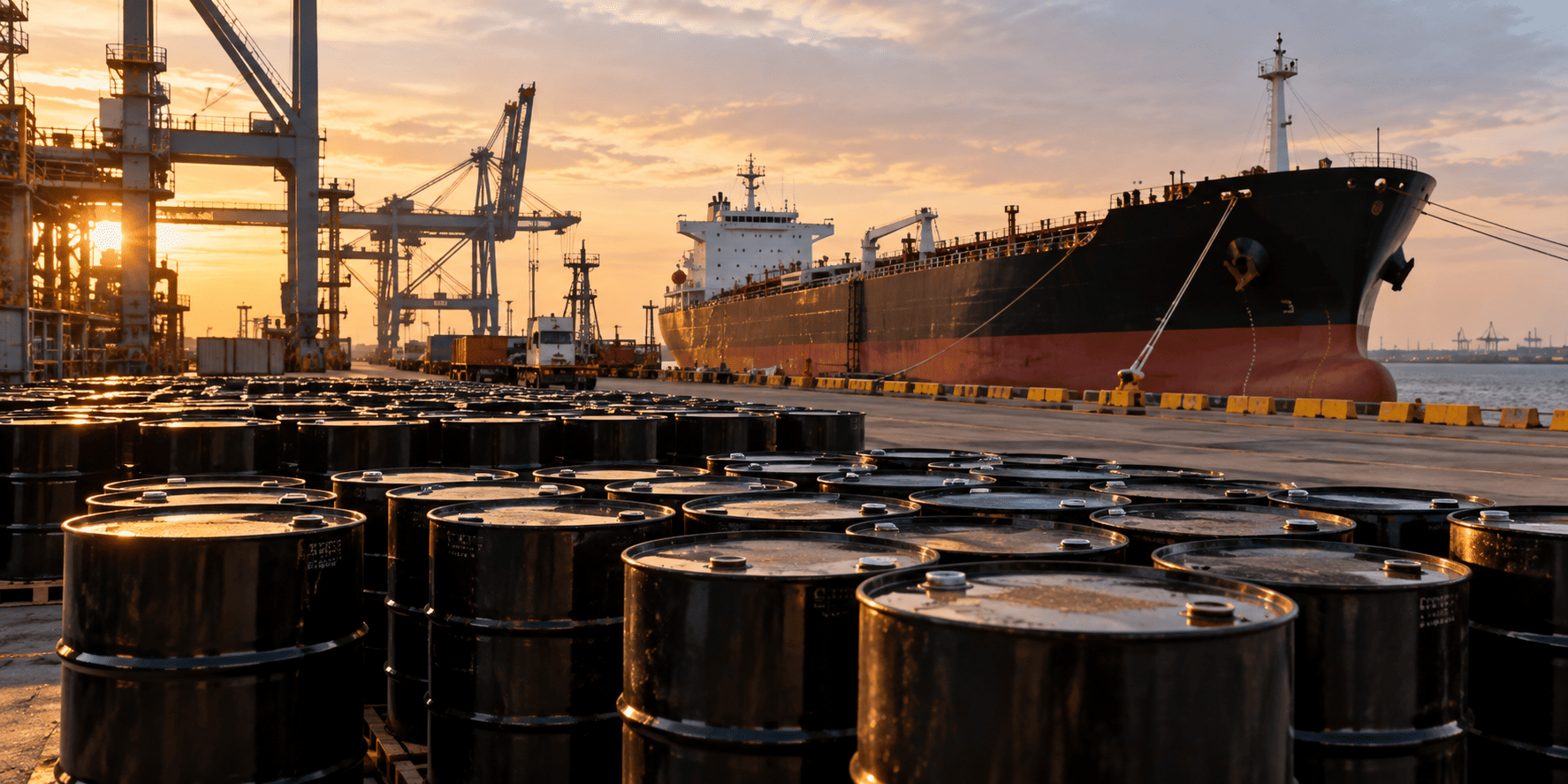
Oil prices climbed back on Tuesday, recouping some of the previous session's steep losses, as traders weighed the latest US sanctions against Iran against the possibility that China, the primary buyer of Iranian crude, may not drastically cut imports.
Brent crude rose 0.3% to $92.44 per barrel in Asian trading, while West Texas Intermediate (WTI) gained 0.4% to $85.38. Both benchmarks had fallen more than 2% on Monday as investors locked in profits after a two-week rally.
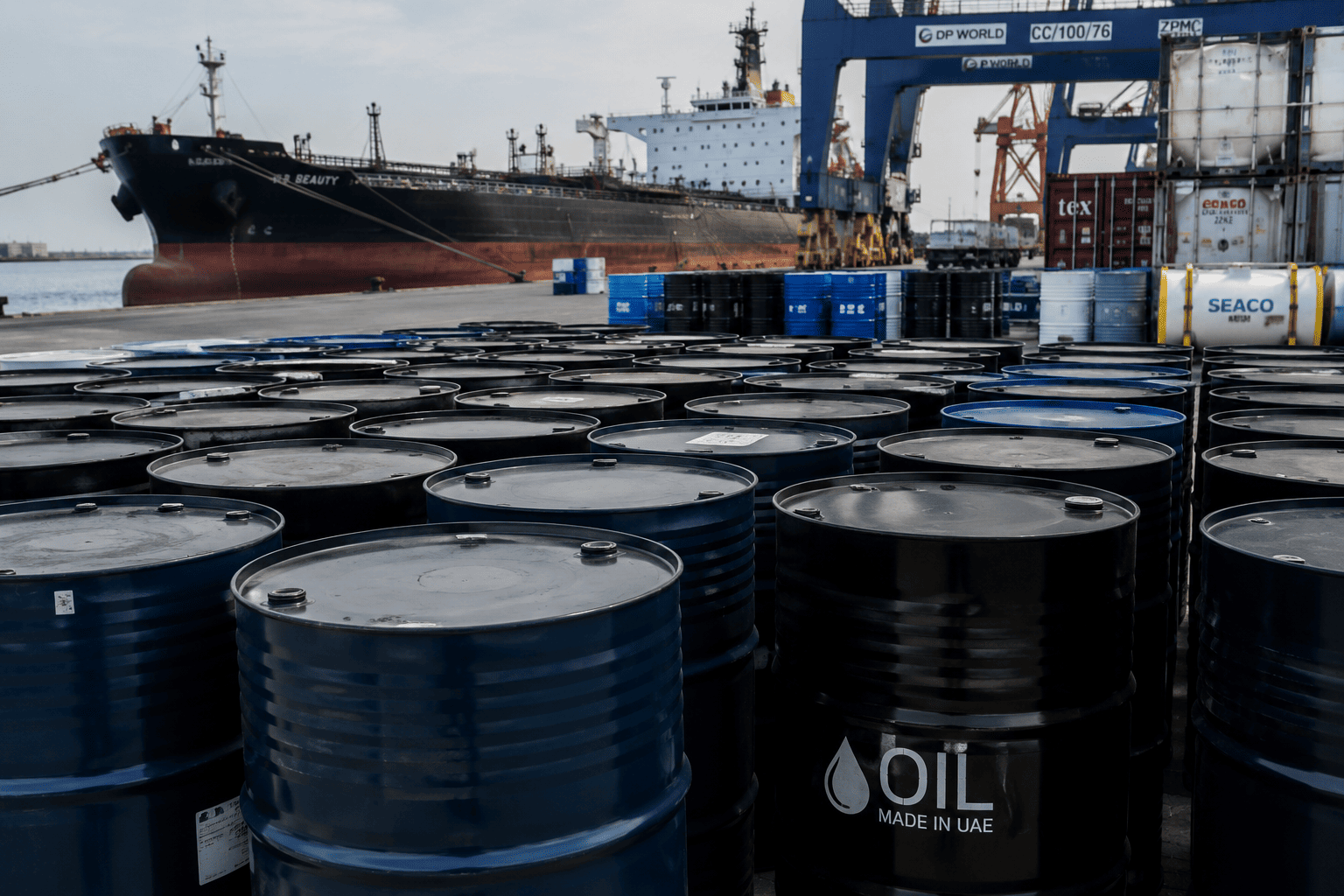
The market's focus has shifted to whether the expanded sanctions will meaningfully reduce Iranian oil exports or simply prolong the standoff around the Strait of Hormuz, a critical chokepoint for global energy supplies.
Sanctions: a slower-burning risk
The US Treasury on Monday broadened its pressure campaign, targeting over 60 entities, individuals, and vessels, and warning that countries and companies continuing business with Iran could eventually face secondary sanctions. The measures span shipping, technology, digital assets, and aviation.
Treasury Secretary Scott Bessent indicated that trading partners would be given defined periods to wind down their Iran exposure, but the administration stopped short of immediately penalizing major economies such as China. That distinction helps explain oil's relatively restrained reaction.
Rystad Energy's Jorge Leon told The Wall Street Journal that China remains the crucial variable, as it is effectively the only major buyer left for Iranian crude. In his assessment, Tehran's oil revenue may see limited additional damage unless Beijing materially reduces purchases.
Hormuz keeps geopolitical premium intact
The physical supply threat has not disappeared. An oil tanker was struck and disabled on Tuesday about 17 kilometers northeast of Ash Shishah, Oman, according to the UK Maritime Trade Operations agency. Iran has separately blacklisted 45 tankers it says violated transit rules in the Strait of Hormuz, threatening fines, detention, and cargo confiscation. The list includes crude, LNG, and product tankers linked to several major regional and international operators.
Before the conflict, the Gulf accounted for energy flows equivalent to roughly 20% of global oil consumption, making Hormuz particularly important for Brent, which reflects the international seaborne crude market more directly than WTI.
BNY strategist Geoff Yu, in comments published by FXStreet, sees Washington's expanding economic confrontation as carrying potential spillovers well beyond Iran. The pressure placed on European and Asian trading partners could increasingly shape both energy flows and wider geopolitical relations.
Shrinking supply buffers leave little room for disruption
The oil market also has less protection against another supply shock. US Strategic Petroleum Reserve holdings dropped by about 3.7 million barrels last week to 289.7 million barrels, the lowest since November 1982.
Refined fuels are an additional concern. Asian imports of diesel, jet fuel, and other products have fallen sharply from pre-conflict levels, while global refining margins remain elevated as Middle East disruptions restrict access to the crude grades needed to produce key transport fuels.
Investors are also monitoring broader market signals, including Bessent's sanctions threat and its ripple effects across assets. Meanwhile, traders had earlier awaited the sanctions, with some maintaining a $100 price target. The evolving situation in the Middle East, coupled with China's purchasing decisions, will likely dictate the next move in oil prices.
This article is for informational purposes only and does not constitute financial advice.