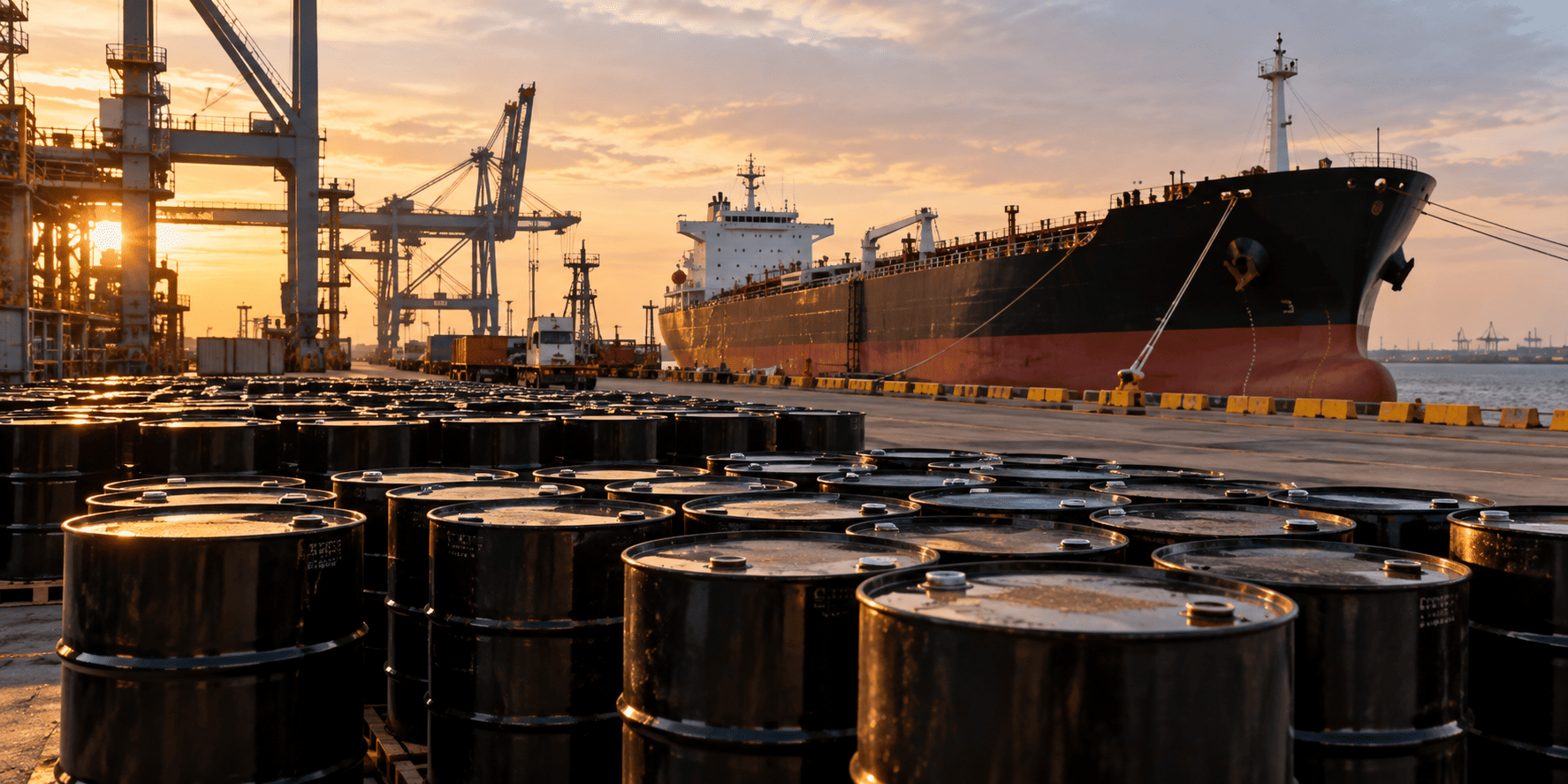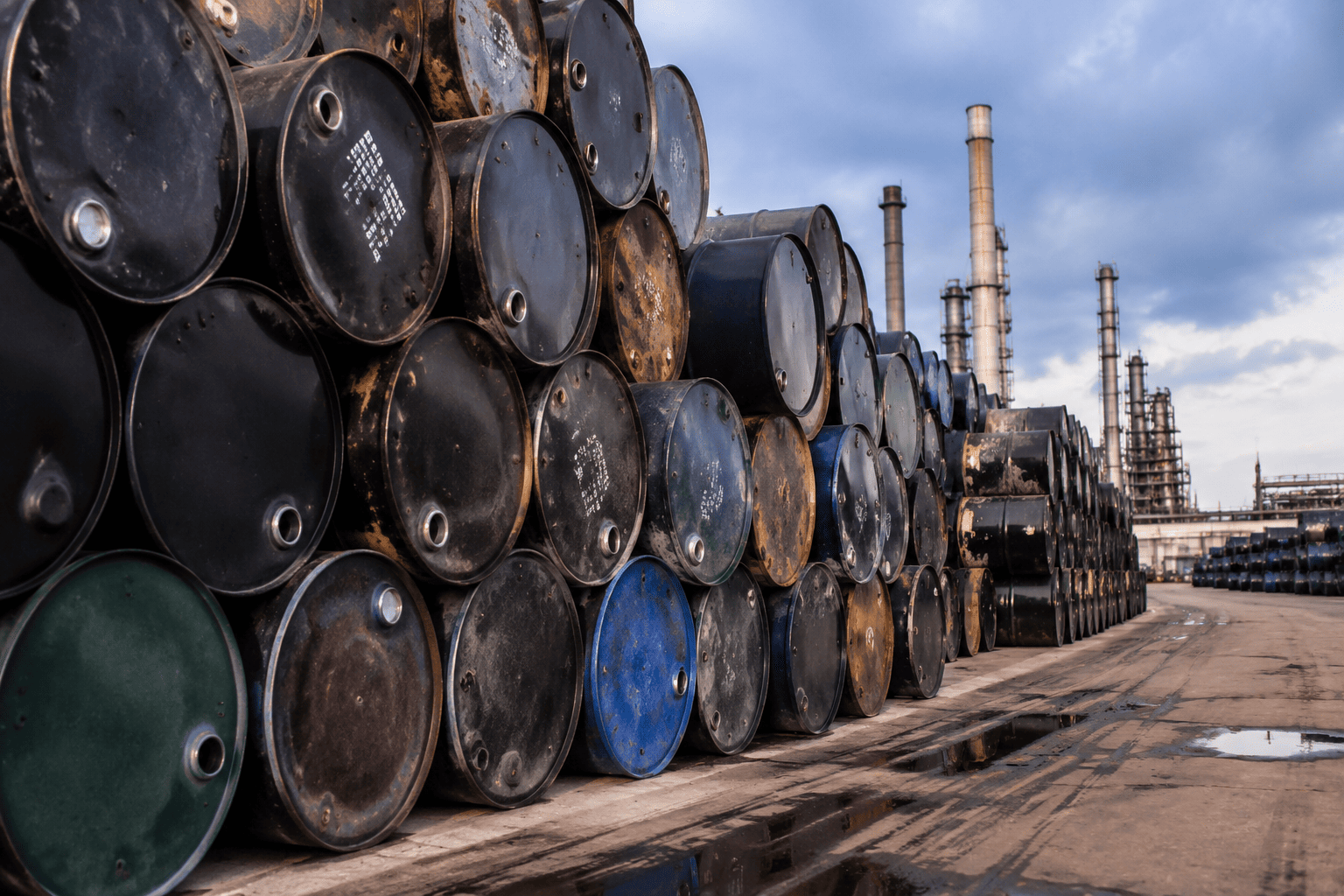
Oil prices retreated on Monday as investors locked in gains following two consecutive weekly advances, but the pullback did little to erase the supply premium driven by the US-Iran standoff and sharply reduced shipping through the Strait of Hormuz.
Brent crude futures slipped about 1.3% to $93.16 a barrel in Asian trading, while West Texas Intermediate (WTI) fell 1.6% to $85.70. Both benchmarks had surged more than 5% last week, with Brent settling Friday at $94.39 and WTI at $87.06.
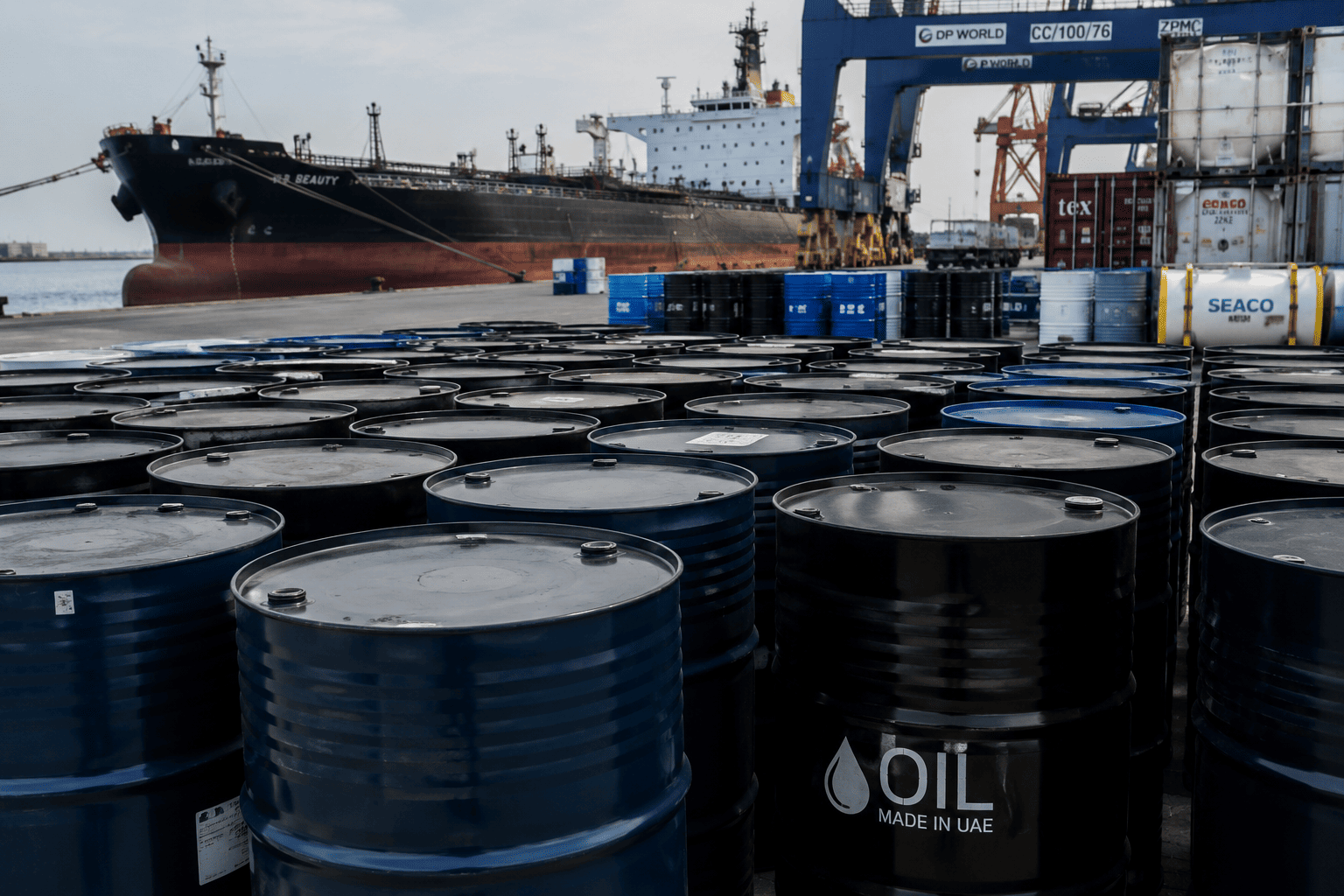
Traders are now awaiting a tougher US sanctions package against Iran and its trading partners, expected later Monday. The measures are likely to target countries still purchasing Iranian crude, with China a central focus, according to Commerzbank Research analyst Barbara Lambrecht. This raises the risk that sanctions could further squeeze the remaining outlets for Iranian barrels.
Iranian crude offers to Chinese refiners have already declined sharply. Shipments averaged about 534,000 barrels per day in August, compared with a 2025 average of 1.4 million barrels per day, and some cargoes that previously traded at discounts are now being offered at premiums.
Hormuz remains the bigger risk
The more immediate concern is physical shipping. Kpler data showed only four commodity vessels crossed the Strait of Hormuz on Sunday and 13 on Saturday. UK maritime authorities estimate AIS-detected traffic is about 90% below pre-conflict levels. Hormuz handled close to a fifth of global oil flows before the conflict, and Iran has warned that further US economic pressure could trigger an attempt to halt oil exports across the Persian Gulf, raising risks beyond Iranian supply alone.
ING strategists Ewa Manthey and Warren Patterson noted that Brent remains supported by the lack of progress between Washington and Tehran and persistent security problems around the strait. The US Energy Information Administration (EIA) has already lifted its 2026 Brent forecast to $87 a barrel, citing prolonged Hormuz constraints. It estimates crude and petroleum-liquid flows through the strait averaged just 4.9 million barrels per day in the second quarter, down from 21.6 million in late 2025.
Refined fuels tighten the market
The pressure is increasingly visible in fuel markets. Asian imports of light and middle distillates have fallen roughly 21% from pre-conflict averages, while Singapore gasoil margins have surged as diesel and jet-fuel availability tightens. This helps explain why Brent remains above $90 even as traders periodically take profits.
Crude can be rerouted, inventories can be drawn, and alternative suppliers can fill part of the gap, but refinery disruptions and shortages of the right crude grades are harder to solve quickly. For now, the balance remains uncomfortable. Monday's pullback shows traders are reluctant to chase prices ahead of the sanctions announcement, but with Hormuz traffic still depressed and Iranian exports already shrinking, the broader oil market remains vulnerable to another supply-driven move higher.
Related coverage: Brent's risk premium and Iran's market impact.
This article is for informational purposes only and does not constitute financial advice.