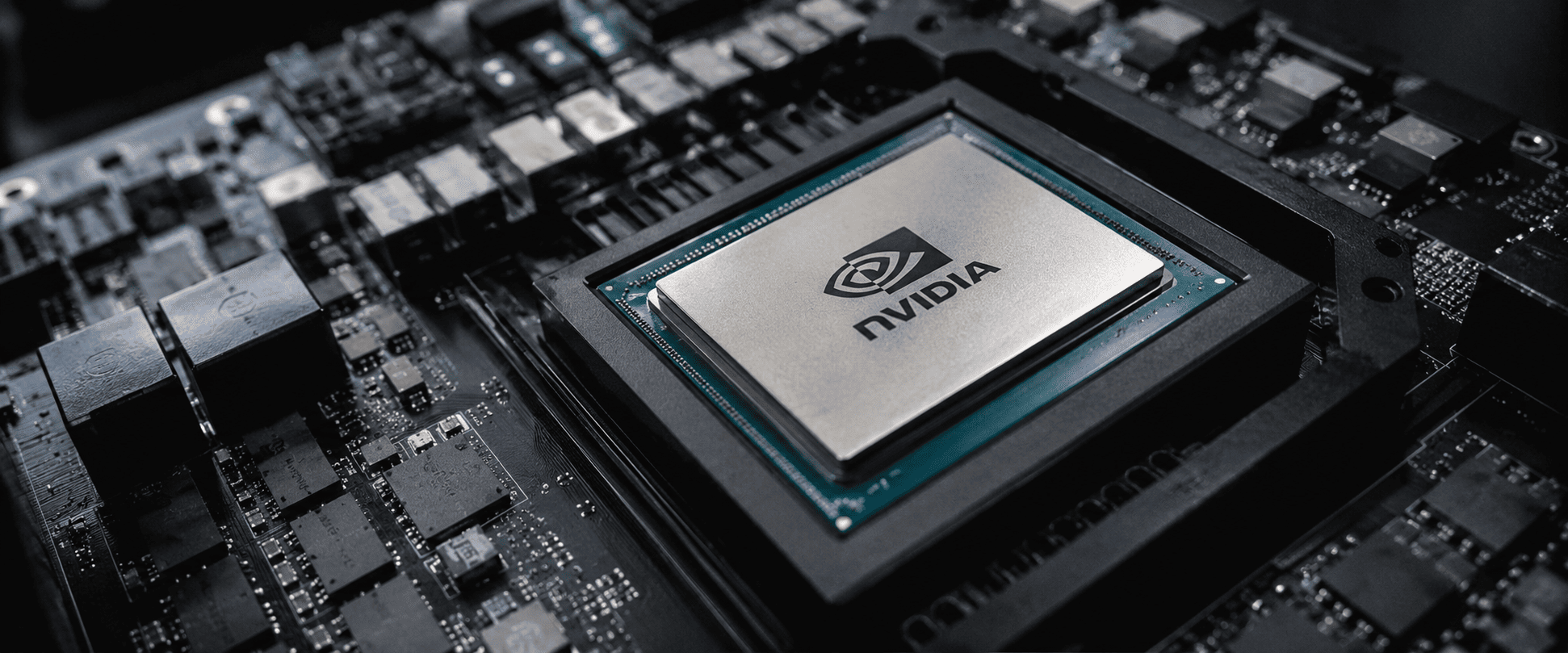
Nvidia has evolved from a pure semiconductor maker into a pivotal financial backer of the AI infrastructure boom. Its equity holdings have surged to roughly $99 billion, up from under $100 million in early 2020, according to company disclosures. The portfolio includes stakes in Intel, CoreWeave, Coherent, Nokia, Synopsys, and Nebius, among others.
Beyond equity, Nvidia is increasingly providing guarantees, backstops, and other financial support to companies building data centers for AI workloads. This strategy, dubbed "balance sheet as a service" by Morgan Stanley, could accelerate infrastructure spending and secure future demand for Nvidia's chips. But it also raises a critical question: what happens if AI infrastructure supply outpaces demand?

Nvidia's expanding financial footprint
Recent deals illustrate the scale of Nvidia's involvement. The company agreed to buy up to 500 megawatts of unused data-center capacity from CoreWeave for $6.3 billion, effectively acting as a customer of last resort if CoreWeave can't find other tenants. Nvidia also provided a guarantee of up to $105 billion to help OpenAI lease a massive compute campus in Ohio, a figure reduced from an earlier $250 billion proposal after investor concerns. Additionally, Nvidia contributed $30 billion to OpenAI's record-breaking funding round in March.
These transactions have sparked concerns about circular financing: Nvidia supports customers who then use that capital to buy Nvidia products, potentially inflating apparent demand. Critics draw parallels to dot-com era practices, though the underlying economics of today's AI market differ significantly.
Morgan Stanley's risk assessment
Morgan Stanley initiated credit coverage of Nvidia with a neutral view, highlighting the dual nature of its strategy. Analyst Lindsay Tyler wrote, "We initiate credit coverage of Nvidia with a neutral view as exceptional growth turns balance sheet strength into a strategic AI financing tool - and introduces new risks." The bank estimates Nvidia's total credit exposure could reach about $200 billion by the end of 2028, with roughly $170 billion stemming from off-balance-sheet guarantees and backstops that could become obligations if conditions deteriorate.
The central issue is how investors should treat these commitments. While not traditional debt, they create financial obligations that could become significant if supported projects or customers face trouble. Nvidia's massive profitability and cash generation provide flexibility today, but the risk lies in multiple guarantees being triggered simultaneously during an AI downturn.
Unlocking $500 billion in AI investment
Nvidia recently announced "repeatable financing platform" agreements with Apollo, BlackRock, Blackstone, Brookfield, Goldman Sachs, and KKR, aiming to mobilize over $500 billion in third-party capital for AI infrastructure. Nvidia is not committing the full amount; it may provide residual-value support for up to 25% of an individual opportunity. That theoretical maximum would be $125 billion, but it does not mean Nvidia will pay that sum upfront.
CEO Jensen Huang has dismissed concerns about artificial inflation, saying, "I think the only regret that I have is that I didn't invest more and sooner." The strategy has also drawn attention from investors, with some comparing Nvidia to a "central bank of AI." As Nvidia's financial role grows, so does the scrutiny. The company's recent growth forecast and market impact remain strong, but the sustainability of this financing model is a key watchpoint.
For investors, the double-edged nature of Nvidia's strategy is clear: it fuels the AI boom and secures demand, but it also concentrates risk. As some analysts flag valuation concerns, the balance between growth and exposure will be critical. Nvidia's ability to manage these commitments during a downturn will determine whether its balance-sheet strategy is a masterstroke or a liability.
This article is for informational purposes only and does not constitute financial advice.