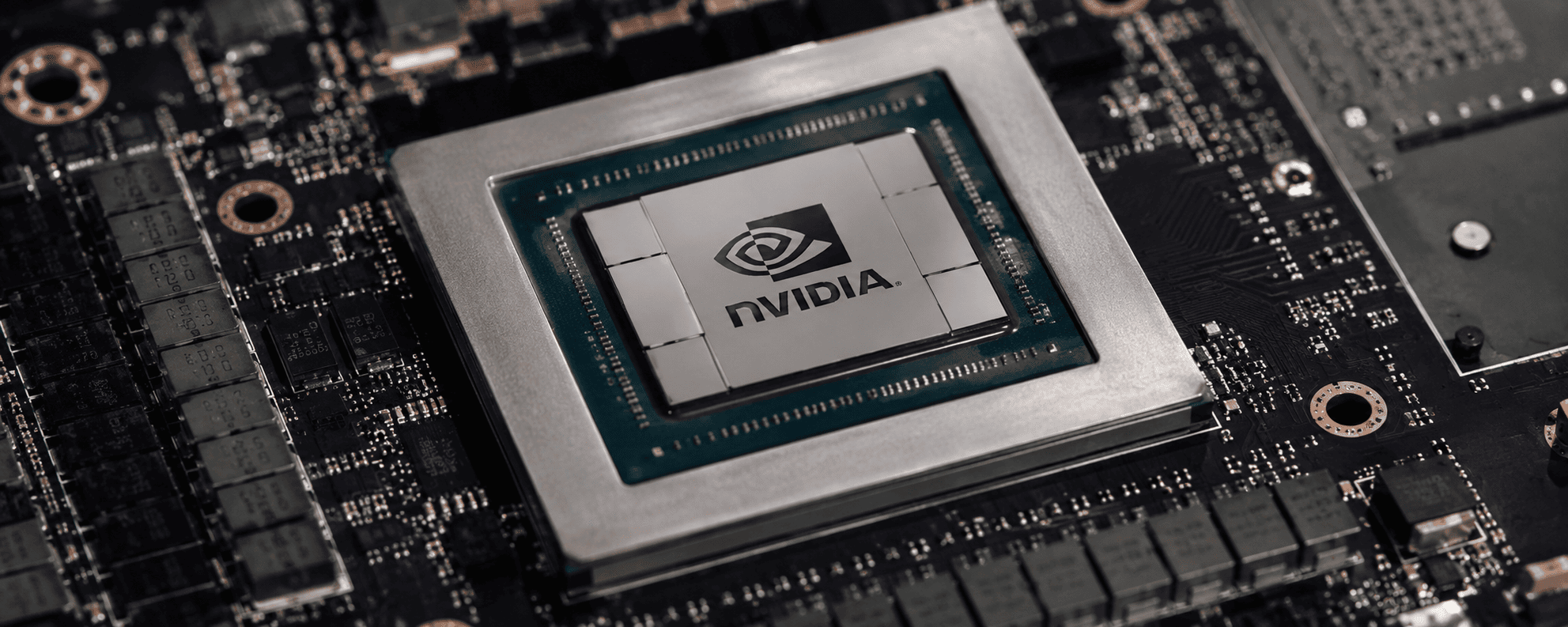
Nvidia (NASDAQ: NVDA) shares surged Thursday after the AI chip giant delivered a blockbuster fiscal Q2 report and issued robust guidance for the current quarter. The stock is now hovering near its year-to-date high, but famed investor Michael Burry—who famously predicted the 2008 housing crash—is urging caution.
In a Substack post, Burry, founder of Scion Asset Management, acknowledged that Nvidia's commanding GPU market share, accelerating sales growth, and a price-to-earnings ratio around 24x make the stock appear "wildly undervalued" on paper. However, he argues that conventional valuation metrics often miss cyclical turnarounds, and a low earnings multiple can temporarily mask long-term competitive threats.

The capex cycle risk
Burry's main concern centers on the sustainability of Nvidia's earnings power. He points out that the company's current performance relies heavily on an unprecedented, front-loaded AI infrastructure buildout by hyperscalers. Once initial data center construction reaches saturation, maintaining that pace of capital expenditure could prove difficult. As cloud giants digest their hardware spending and rival chipmakers erode Nvidia's pricing power, profit margins may face structural pressure.
This view contrasts with Wall Street's celebration of Nvidia's flawless execution and record-breaking quarterly results. The stock has rallied on every bullish catalyst, with analysts raising price targets and the consensus rating remaining a Strong Buy. Yet the lowest price target on the street stands at $172, implying a potential downside of about 30% from current levels.
Technical signals and market sentiment
From a technical perspective, Nvidia's relative strength index (RSI) sits in the mid-60s, approaching overbought territory—a level that often triggers profit-taking. Despite Burry's caution, options market sentiment remains largely bullish, and the broader AI rally continues to lift related names. For instance, IREN stock climbed 4% on Nvidia's results, and Nasdaq climbed as the outlook reignited the AI rally.
Burry's warning serves as a sobering reminder that in hyper-growth tech, riding short-term momentum without structural downside protection can carry a severe cost. History shows that capex supercycles eventually end, and peak earnings conditions rarely last forever in competitive hardware markets.
For now, Nvidia's growing sales and market dominance continue to silence skeptics. But as institutional investors weigh August's rally against long-term risks, the debate between near-term momentum and long-term durability remains unresolved.
This article is for informational purposes only and does not constitute financial advice.