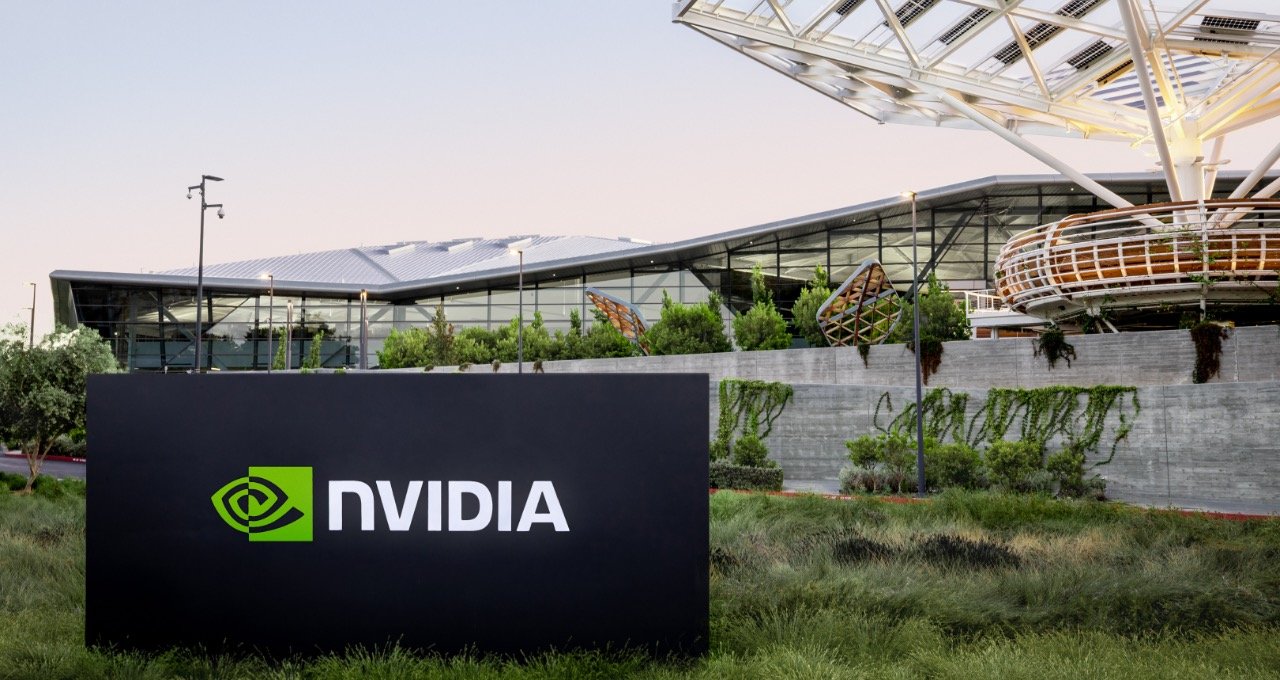
Nvidia's shares climbed more than 7% in Thursday's session, buoyed by a longer-term revenue outlook that reassured investors about the durability of AI infrastructure spending. The chipmaker's forecast of 70% revenue growth for fiscal 2028, which runs from February 2027 through January 2028, came despite ongoing worries about spending, financing, and competition in the AI sector.
The stock, trading near $226, is now within striking distance of its all-time high of $236.54. The rally also breaks a recent pattern: Nvidia had fallen the day after earnings in each of the previous four quarters, even when results topped Wall Street estimates.

Fiscal 2028 outlook: $690 billion revenue target
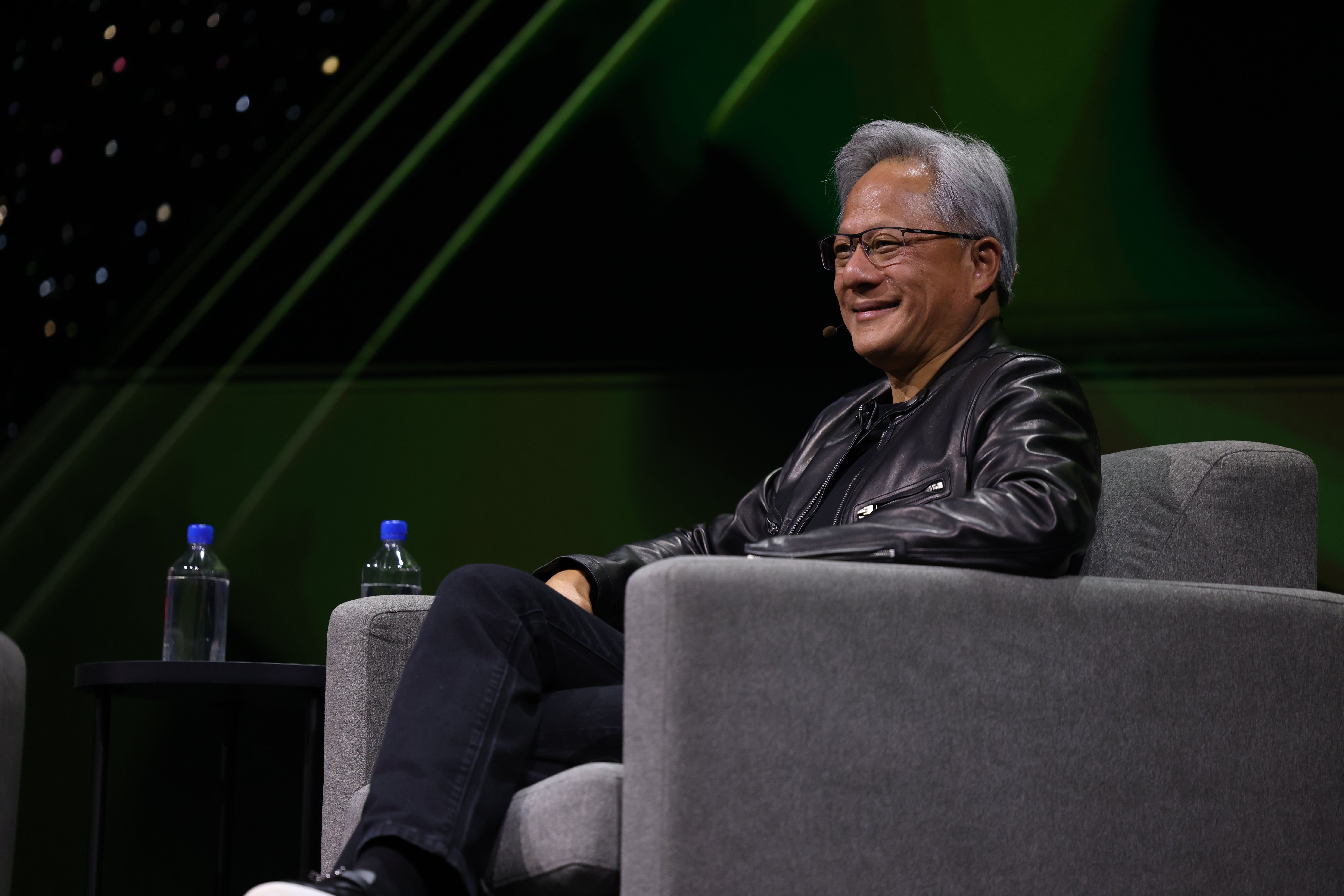
Chief Financial Officer Colette Kress said Wednesday that the company expects revenue to grow 70% in fiscal 2028, implying at least $690 billion in sales. That compares with the prior Street estimate of $573.5 billion, according to Benchmark analyst Cody Acree. CEO Jensen Huang noted that actual demand is "substantially stronger" than the forecast, but supply constraints are limiting shipments.
Huang said Nvidia has never before provided a revenue forecast a year ahead, but the company now has greater visibility across its supply chain. That visibility is critical as Nvidia continues to face bottlenecks in advanced manufacturing and components. Taiwan Semiconductor Manufacturing Co., its primary manufacturing partner, remains capacity-constrained, and memory chips used in Nvidia's systems are also in short supply.
Analysts see further upside
Benchmark reiterated a Buy rating and a $335 price target, with Acree noting that the gap between demand and supply-backed guidance creates room for estimate increases. "We believe the difference between the demand signal and the supply-backed guide creates unusual execution room for further estimate upside even from a quarterly revenue base approaching $100B," he said.
UBS raised its price target to $300 from $280, maintaining a Buy rating. Analyst Timothy Arcuri said Nvidia's results were strong and guidance aligned with expectations. UBS noted that the calendar 2027 outlook implies earnings per share above $16, even with near-term pressure on gross margins from higher memory prices.
Raymond James was even more bullish, lifting its price target to $515 from $352 and keeping a Strong Buy rating. The firm pointed to Nvidia's second-quarter results and its third-quarter and fiscal 2028 outlook, all of which exceeded expectations. It also highlighted architectural changes, including LPU-NVL racks and Vera CPU systems, as potential growth drivers.
AI spending concerns persist
Nvidia's outlook comes as investors continue to question whether massive AI capital expenditures can generate sufficient returns. Concerns have also focused on financing arrangements in which Nvidia supports companies that subsequently spend on Nvidia's chips, raising questions about the sustainability and circularity of some AI infrastructure investments.
Huang's comments appeared to ease some of those concerns by emphasizing that demand is coming from a much broader group of customers. AI development has expanded beyond a handful of major labs, with startups, frontier model developers, open-source projects, and physical AI companies all building increasingly large computing clusters. "This time last year, one lab alone was driving the build-out," Huang said. "Today, we have a golden age of new AI labs and startups, multiple frontier labs scaling in parallel, a thriving open-model ecosystem and physical AI coming online."
The broader market has also responded positively, with Nasdaq climbing on the AI rally, and related names like IREN stock climbing 4% on AI cloud optimism. Meanwhile, Samsung and SK Hynix surged as Nvidia flagged a memory crunch through 2028, and SanDisk rose 5% premarket on tighter NAND supply signals.
As Nvidia continues to navigate supply constraints and expanding demand, the company's ability to beat its own forecasts will be key to sustaining the stock's momentum. With analysts raising targets and the AI investment cycle showing no signs of abating, Nvidia's near-term trajectory appears firmly upward, though investors will keep a close eye on margin pressures and the sustainability of AI spending.
This article is for informational purposes only and does not constitute financial advice.