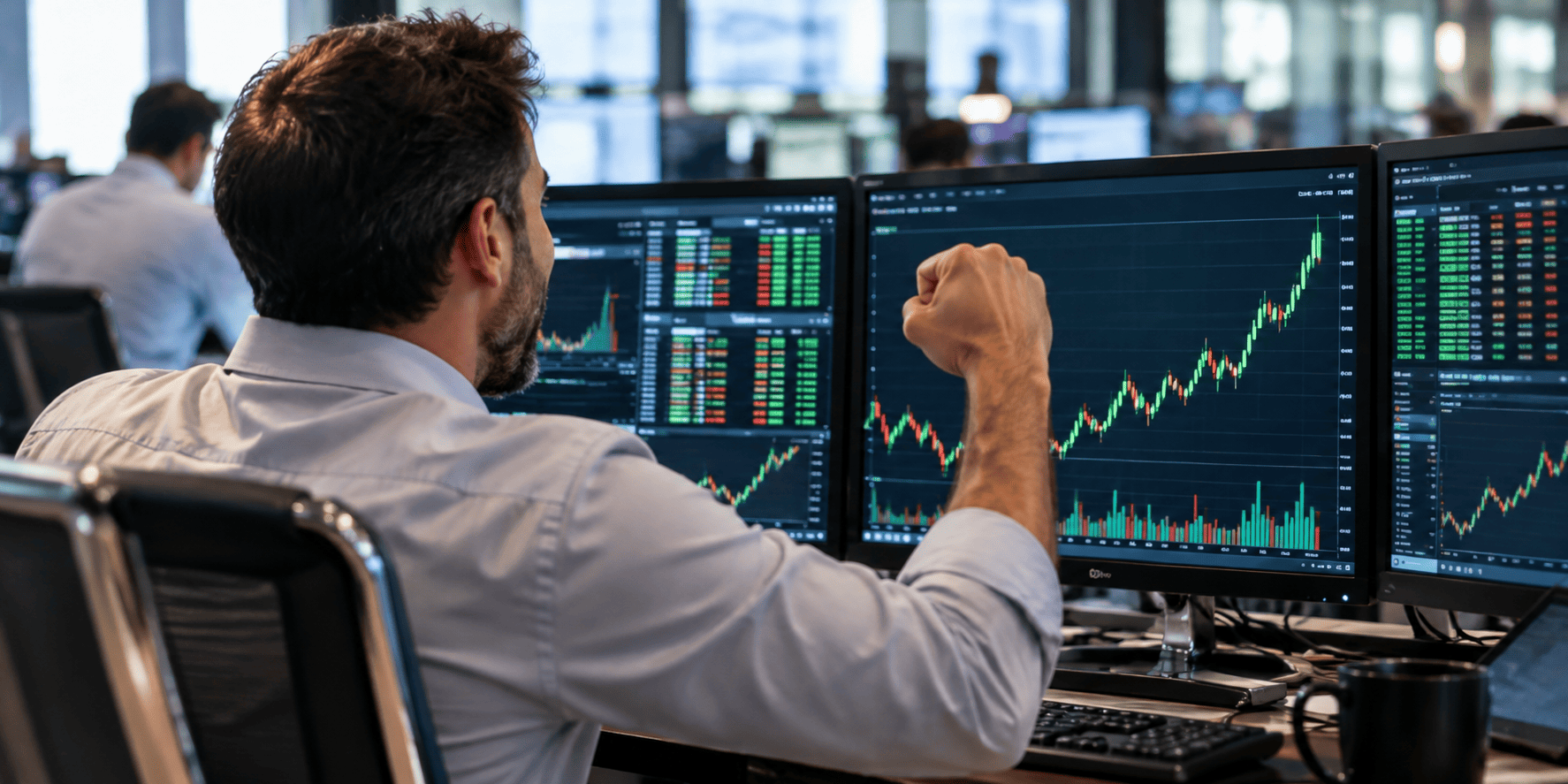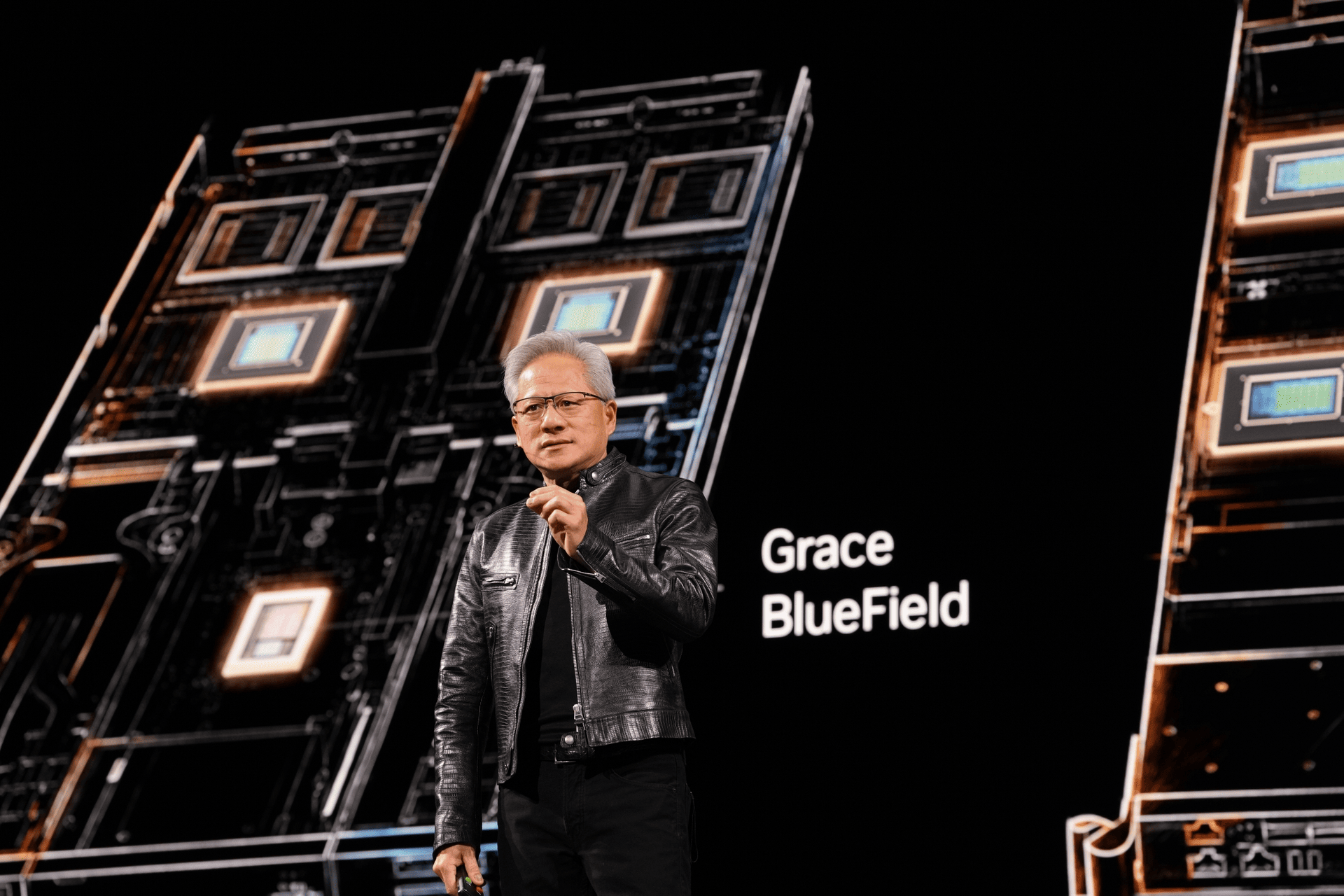
Nvidia (NASDAQ: NVDA) shares advanced 2.6% to $199.07 in midday trading Friday, building on Thursday's gain of more than 2%. The rally puts the chipmaker on track to reclaim the title of the world's most valuable listed company from Apple, whose shares fell after its latest earnings report.
The latest boost came from Amazon (NASDAQ: AMZN), which raised its full-year capital expenditure forecast to $220 billion from $200 billion, underscoring its continued investment in AI infrastructure. During the company's earnings call, CEO Andy Jassy reaffirmed Amazon Web Services' long-term commitment to Nvidia's processors, even as Amazon develops its own custom AI chips.
"We...continue to have a deep partnership with Nvidia and will continue making AWS the best place to run Nvidia chips, as we have customers who will run on Nvidia for as long as we can foresee," Jassy said. His comments helped ease concerns that Amazon's Trainium processors could rapidly displace Nvidia's products across AWS.
At the same time, Jassy acknowledged that Amazon is exploring additional ways to commercialize its in-house chips. "We do have an increasing number of customers who are interested in us providing the training and chips to them separate from our cloud," he said. "We're actively having those conversations and exploring. And I expect there's a real chance we'll do that in the future."
While Amazon continues expanding its custom silicon strategy, its comments suggested Nvidia's graphics processors are expected to remain central to AWS's AI offerings for the foreseeable future. This reassurance comes after weeks of pressure on Nvidia shares, driven by concerns over AI spending, financing arrangements, and rising competition in the semiconductor industry.
Investor sentiment had also weakened following reports that a Chinese company had begun mass-producing key chipmaking equipment, raising questions about the competitive landscape. Additionally, The Wall Street Journal reported that Nvidia is discussing a roughly $250 billion financing guarantee to support OpenAI's lease of a large data centre project in Ohio. The proposed arrangement would help OpenAI secure more favourable financing while supporting long-term demand for Nvidia's AI processors. However, the report also prompted concerns among some investors that financing agreements between Nvidia and its customers resemble the circular financing structures seen during the dotcom era.
Investor skepticism over AI valuations has also been highlighted by Michael Burry, the investor best known for predicting the US housing market collapse. Burry expanded his bearish positions across the semiconductor sector, increasing his put options tied to Nvidia while also adding to short positions linked to Micron Technology, the iShares Semiconductor ETF, and the Invesco QQQ Trust. In recent posts on X, he has argued that Nvidia's long-term revenue outlook is becoming increasingly dependent on financing arrangements and recently said the company's five-year credit default swaps were going "parabolic" because of what he described as "circular spending to biblical proportions."
Despite these concerns, Friday's rebound suggests that investors are focusing on the continued strength of AI infrastructure spending. Amazon's increased capex and reaffirmed partnership with Nvidia provide a tangible signal that demand for AI chips remains robust. As Microsoft's earnings also rekindled optimism about AI infrastructure, the sector appears to be regaining some footing after recent volatility.
However, the broader market remains cautious, with financing deals worth $750 billion sparking sustainability concerns. The $250 billion OpenAI guarantee is a double-edged sword: it signals extended AI infrastructure growth but also raises questions about the circularity of financing. Investors will be watching for further clarity on these arrangements and their implications for Nvidia's long-term revenue visibility.
In the near term, Nvidia's ability to reclaim the top spot in market value will depend on sustained AI demand and the company's ability to navigate the evolving competitive landscape. With Amazon's reaffirmation, the immediate outlook appears more positive, but the lingering concerns over financing structures and valuation remain.
This article is for informational purposes only and does not constitute financial advice.