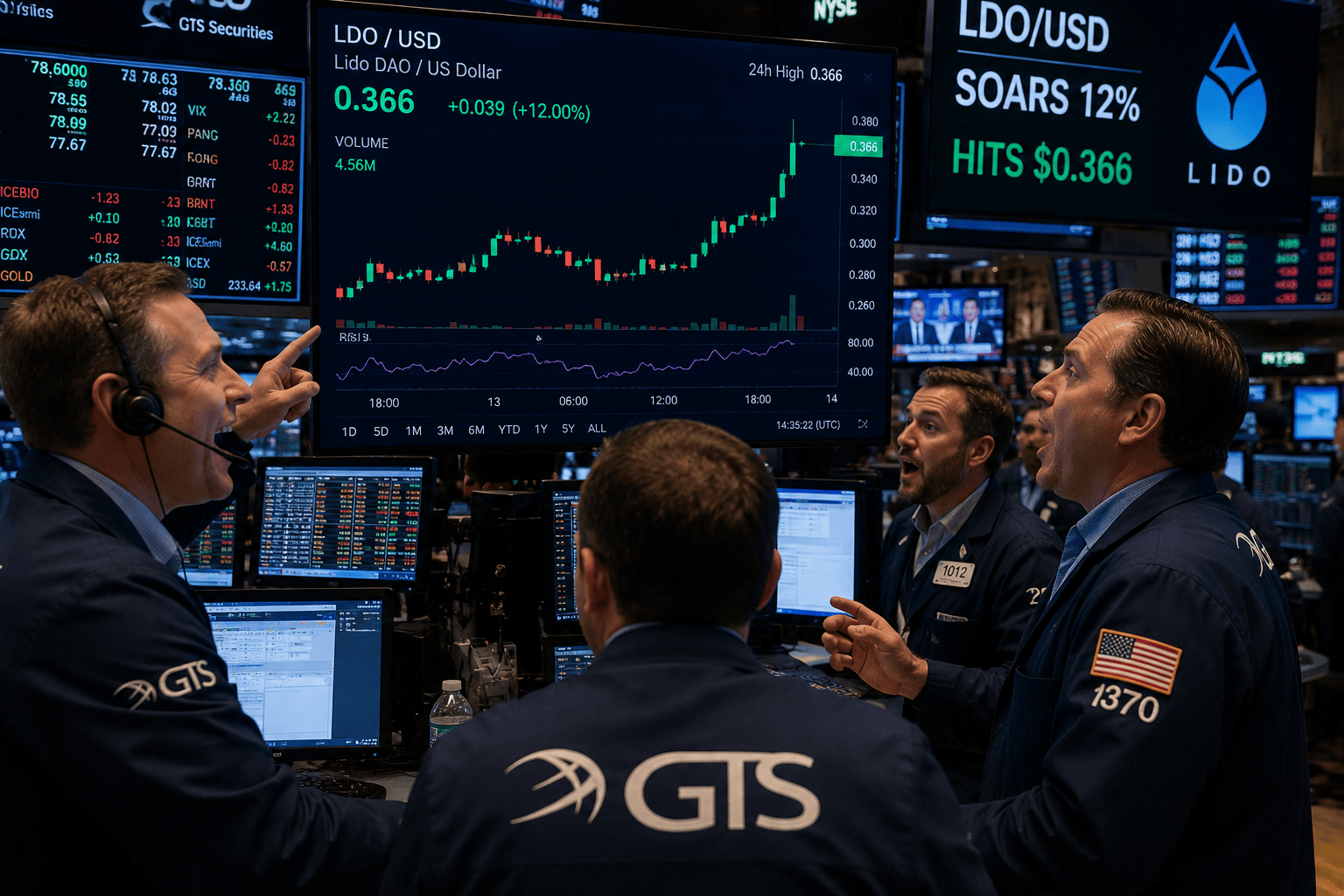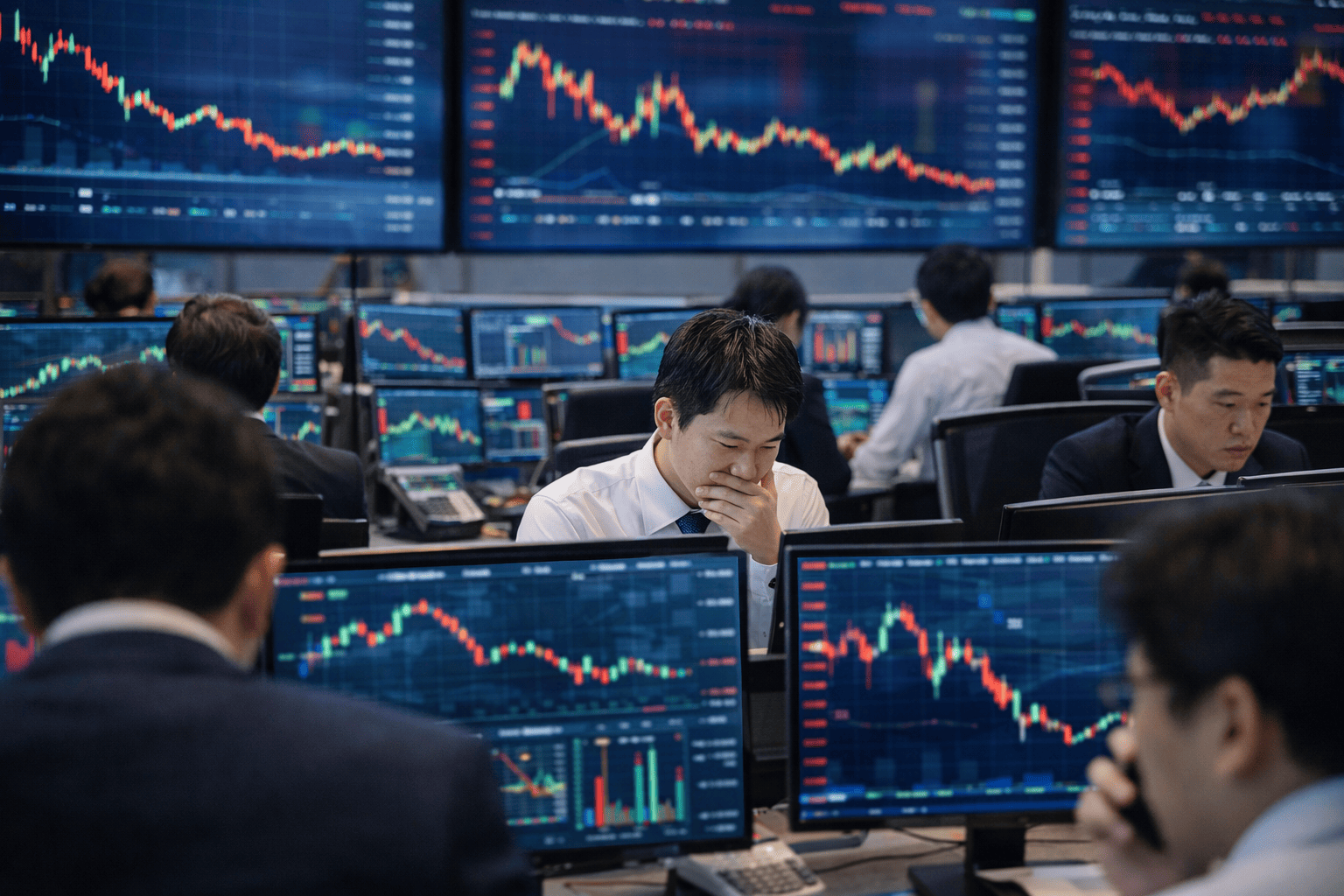
Asian markets showed a clear divergence on Friday as Nvidia's robust outlook continued to lift Japanese technology shares, while South Korea's KOSPI bucked the trend and declined despite the renewed optimism around artificial intelligence.
Japan's Nikkei 225 advanced roughly 0.4% to 66,379 in morning trading, supported by gains in Fujitsu, NEC, and other tech names. Fujitsu climbed about 4.2%, and NEC added 3.8%, making them notable contributors to the index's rise. The moves followed Nvidia's 8.7% rally on Thursday after the AI chipmaker delivered better-than-expected results and signaled that infrastructure demand remains strong.
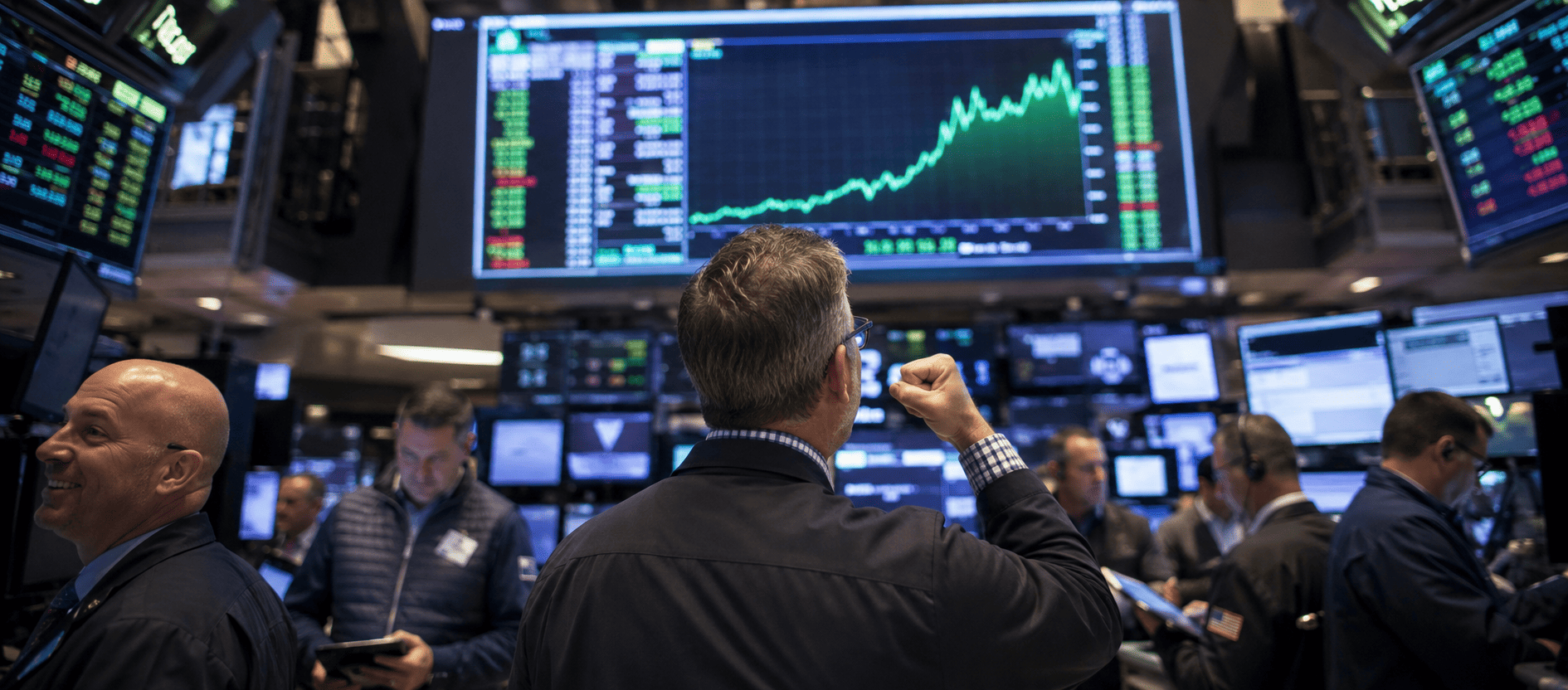
Kioxia also remained in focus after the Japanese memory-chip maker and Sandisk unveiled plans to invest more than $31 billion in Japan through 2032. The program is aimed at expanding advanced flash-memory capacity as AI data centers consume increasing amounts of storage. JPMorgan analysts, cited by MarketWatch, see Nvidia's outlook as supportive for upstream suppliers and memory producers, strengthening the case for continued demand across Asia's semiconductor supply chain.
In contrast, the KOSPI fell about 0.8% to 6,857 by late morning, with Samsung Electronics losing roughly 2% and SK Hynix dropping more than 1%. Foreign and retail investors were net sellers. Part of the weakness reflected profit-taking after Thursday's Nvidia-driven rally, when Samsung gained 1.7% and SK Hynix climbed almost 2.5%. South Korean stocks are also digesting the Bank of Korea's decision on Thursday to deliver a second consecutive quarter-point rate increase, taking its policy rate to 3%.
Samsung Biologics was another major drag, falling sharply after announcing a roughly 3 trillion won capital increase to help fund its acquisition of Switzerland's PolyPeptide Group and additional manufacturing investment. Kiwoom Securities analyst Han Ji-young told Seoul Economic Daily that investors were likely to remain cautious before Federal Reserve Chair Kevin Warsh's address, with monetary-policy uncertainty limiting the KOSPI's ability to reclaim the 7,000 level.
Across Asia, Taiwan shares gained about 1.2%, while MSCI's Asia-Pacific benchmark excluding Japan edged higher. Hong Kong's Hang Seng slipped about 0.3%. Oil provided some relief, with Brent trading around $89.60 a barrel and heading for a weekly loss of more than 5% as negotiations involving Iran and Oman improved hopes for traffic through the Strait of Hormuz.
US Treasury yields remained elevated, however, with the 10-year near 4.67% and the 30-year close to 5.2%. That makes Warsh's first Jackson Hole address as Fed chair the next major test. For the Nikkei 225 and KOSPI, Nvidia has already confirmed that AI demand remains powerful. The question now is whether interest rates allow investors to keep paying for that growth.
For more on Nvidia's impact, see the Nasdaq's response and why memory stocks diverged.
This article is for informational purposes only and does not constitute financial advice.