The Nikkei 225 Index has staged a robust recovery, climbing to its highest level since early July and marking a 15% rebound from its late-July trough. The advance is underpinned by a broad rally in technology shares, with heavyweight names such as SoftBank Group, Kioxia Holdings, and Tokyo Electron leading the charge. Investors have been buying the dip, encouraged by strong earnings reports and a weaker yen that boosts exporters' competitiveness.
Tech giants drive the rebound
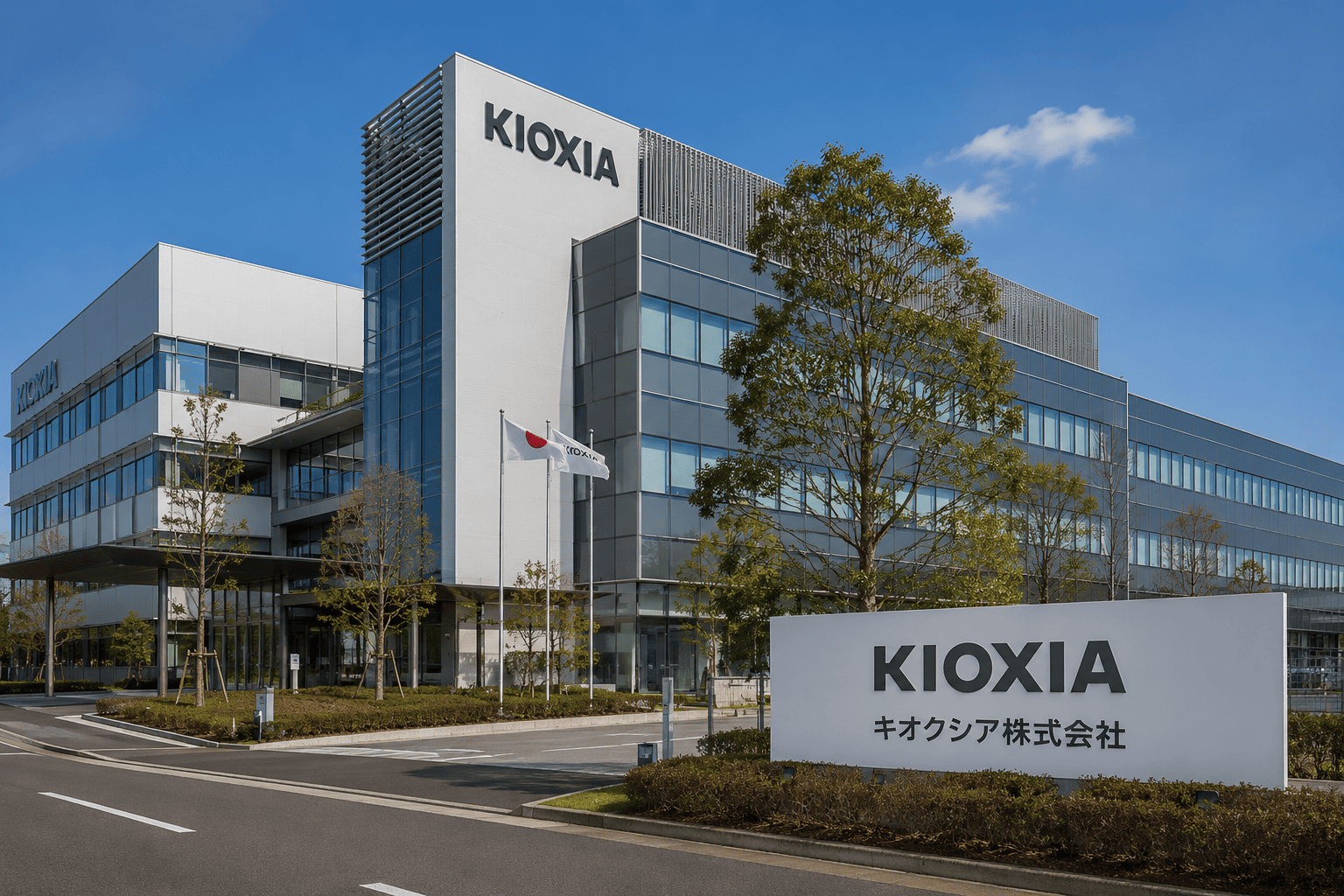
Kioxia, Japan's premier memory chip maker, has surged approximately 50% from its July low, reaching ¥53,830. The stock's rally mirrors the global upswing in memory stocks, including Samsung Electronics, Micron Technology, and SK Hynix. Kioxia's latest quarterly results showed a sharp rise in revenue and profit, with the company guiding for an operating profit of around $11.78 billion in the current quarter—a remarkable turnaround for a firm that faced existential challenges just a few years ago.

SoftBank Group has also been a standout performer, jumping to ¥5,774 from a monthly low of ¥4,520. The conglomerate's portfolio companies, particularly its stakes in OpenAI and Intel, have bolstered profitability. Net profit for the June quarter came in at ¥347 billion, well above the consensus estimate of ¥120 billion. Additionally, the value of SoftBank's stake in its own shares rose by ¥1.3 trillion. Reports that OpenAI's revenue run rate has hit $40 billion, ahead of a potential IPO, have further lifted sentiment. A possible $2 trillion valuation for Anthropic could also push SoftBank's overall worth toward the trillion-dollar mark.
Other Nikkei heavyweights, including Advantest and Tokyo Electron, have also rebounded strongly. In the last five sessions, shares of Recruit Holdings, Fujikura, Terumo, IHI Corporation, Nintendo, and Olympus have each gained more than 15%.
Yen weakness supports exporters
The Nikkei's ascent has been aided by a retreat in the Japanese yen. The USD/JPY pair climbed to 159.36, up from this month's low of 155.23, despite coordinated intervention by the U.S. and Japanese authorities after the yen plunged to multi-decade lows. The intervention, which reportedly involved billions of dollars, has had limited lasting impact—a common outcome for currency interventions. The wide interest rate differential between the U.S. and Japan continues to fuel carry trades, keeping the yen under pressure.
For Japanese equities, a weaker yen is generally positive for large exporters, as it makes their products cheaper overseas and boosts repatriated profits. Conversely, domestic-focused firms may face headwinds from higher import costs.
Technical outlook: bullish flag pattern
On the daily chart, the Nikkei 225 has formed a bullish flag pattern—a classic continuation signal. The index has rebounded from a low of 60,398 on July 29 to a high of 69,716, its best level since June. It remains above all major moving averages, indicating that buyers are in control. The Relative Strength Index (RSI) has moved above the neutral 50 level and is trending upward, confirming bullish momentum.
If the pattern holds, the index could target its year-to-date high of 72,870. A break below the key support at 65,000 would negate the bullish setup. Investors will be watching for further catalysts, including upcoming earnings and any shifts in monetary policy. For more on the broader market, see our analysis of US stocks near records and Nikkei's response to cooling US CPI.
While the rally has been impressive, some analysts caution that the yen's weakness could prompt further intervention, and a sudden reversal in global tech sentiment could derail the uptrend. As always, investors should consider the risks and conduct their own due diligence.
This article is for informational purposes only and does not constitute financial advice.