
US equities continue to trade near all-time highs, even as fresh economic data points to a potential slowdown. The latest inflation readings came in line with expectations, but labor market figures have raised concerns about the durability of the current expansion.
On Wednesday, the headline Consumer Price Index (CPI) for July eased to 3.4% year-over-year from 3.5% in June, while core CPI, which strips out food and energy, dipped to 2.5% from 2.6%. The following day, the Producer Price Index (PPI) for July fell to 4.2% year-over-year from 4.7% previously. These figures suggest that price pressures are moderating, though they remain above the Federal Reserve's 2% target.
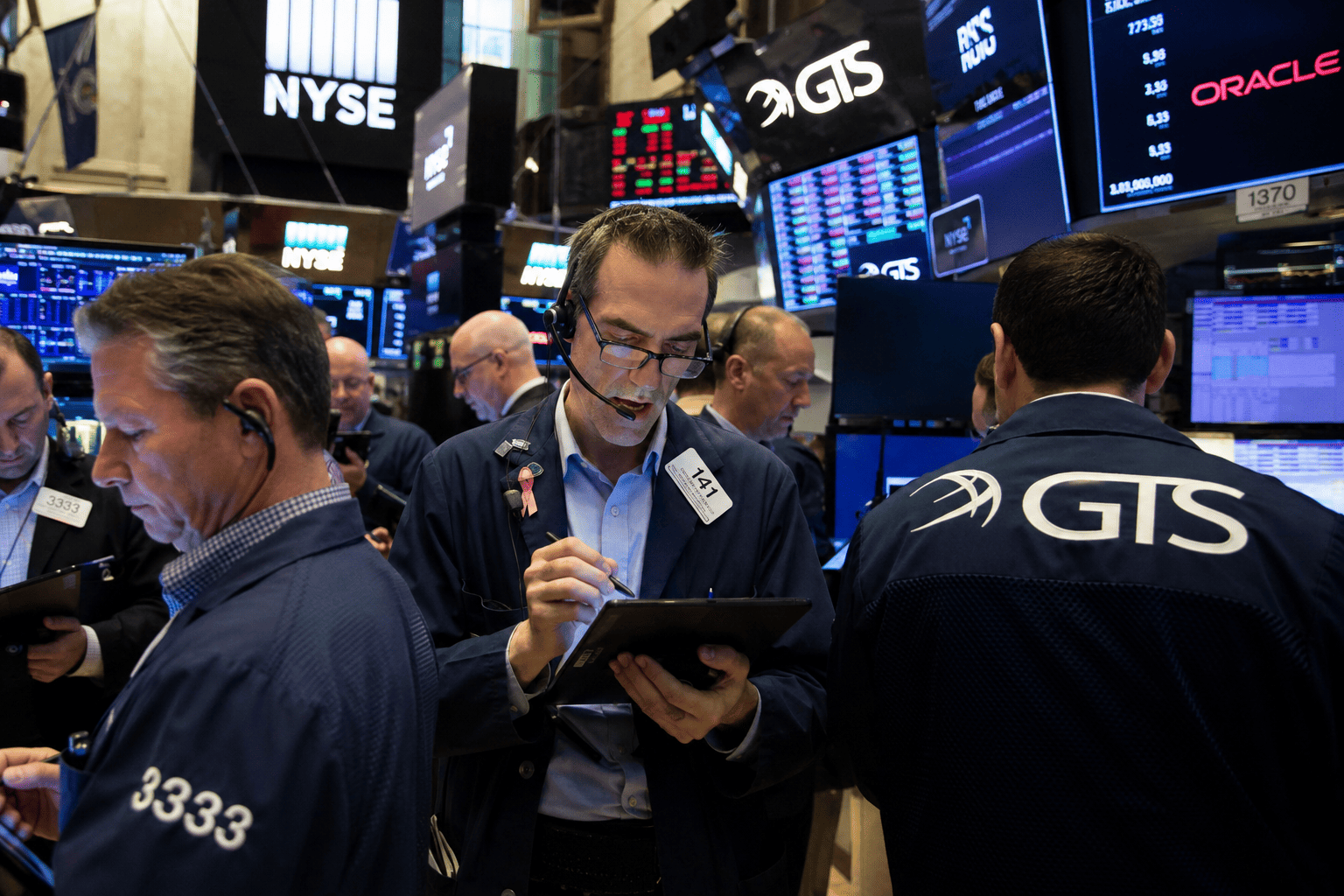
Market reaction to the data was muted, with the US dollar and stock index futures initially moving but quickly reversing course. According to the CME FedWatch Tool, the probability of the Fed holding rates steady at its September meeting jumped to 68% from 50%. Meanwhile, the odds of at least one 25-basis-point rate hike before year-end dropped to 68% from 78%.
However, these inflation readings do not account for the recent surge in oil prices, which have climbed since early July as tensions between the US and Iran escalated. This could complicate the Fed's path forward, as higher energy costs may feed into broader inflation measures.
All major US inflation gauges, including the core Personal Consumption Expenditures (PCE) index, remain above the Fed's 2% objective. This has kept the Federal Open Market Committee (FOMC) focused on its price stability mandate. Yet the other half of the dual mandate—maximum employment—is starting to show signs of strain.
The July non-farm payrolls report, released on the first Friday of August, was notably weak. Payrolls fell by 23,000, far below the expected gain of 85,000, and prior months were revised down by more than 100,000 jobs. This follows a disappointing June reading, suggesting a potential trend rather than a one-off blip.
While government payroll data is notoriously volatile and subject to revisions, the consecutive misses have raised eyebrows. With consumer spending accounting for roughly two-thirds of US economic growth, a softening labor market could eventually weigh on corporate earnings. So far, however, earnings growth has been robust, driven in part by massive investments in AI-related infrastructure.
The S&P 500 has been consolidating around its record high set earlier this month. Some analysts see this as a sign of waning momentum, while others view it as a healthy pause before another leg higher. Historically, dips have been bought, and the market has often responded positively to economic data and geopolitical events, even when the news is less than favorable.
Still, the rally is long in the tooth, and many leading stocks are priced for perfection. There is no rule that says equities cannot continue to climb from elevated levels, especially if investors remain confident they are not buying at the top. But with inflation still above target and labor market cracks appearing, the risk of a correction may be growing.
Investors are also keeping an eye on leveraged AI chip stocks and Middle East developments, which could influence market sentiment in the coming weeks.
This article is for informational purposes only and does not constitute financial advice.