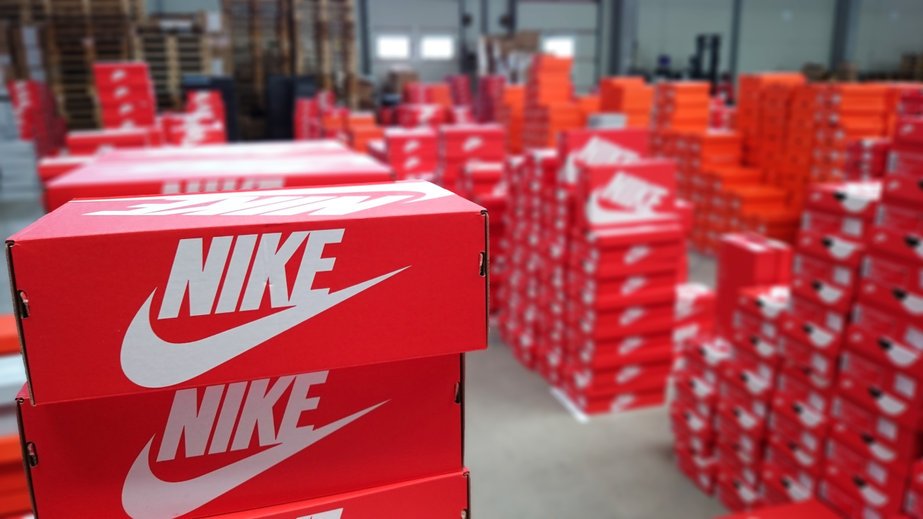
Nike is overhauling its digital sales strategy in China, moving to consolidate e-commerce through its own branded storefronts and cutting off most major retail partners from selling its products online. The shift, effective January 2027, is designed to restore pricing power and reverse a deepening sales slump in the company’s third-largest market.
What Nike Is Changing
Under the new plan, 14 of Nike’s 16 major Chinese retail partners will stop selling Nike products online and instead focus on physical stores. These partners operate thousands of Nike outlets, but the company is not severing ties with all distributors—only shifting digital sales to Nike-controlled channels on Tmall, JD.com, and Douyin, alongside its own website and app.

Greater China chief Cathy Sparks told Reuters that Nike’s Chinese digital marketplace had become “fragmented and cluttered,” with products sold by multiple retailers at varying prices. By concentrating e-commerce through official storefronts, Nike can coordinate product launches, reduce competition among sellers, and encourage full-price purchases. The move also gives Nike greater control over customer data and brand presentation.
Why Nike Is Taking This Risk
The restructuring comes as Nike’s China recovery continues to disappoint. Greater China sales fell 17% on a constant-currency basis in the latest quarter, worsening from a 10% decline in the prior period. Meanwhile, domestic rivals Anta and Li Ning have gained market share, and international competitors like On and Hoka have captured demand in performance running and other fast-growing categories.
Excessive discounting is only part of the problem. Chinese shoppers now have more credible domestic choices, and rivals have often moved faster on local preferences and performance products. Nike has appointed a vice-president of local product creation in Greater China, signaling that management recognizes the need for market-specific offerings.
“The Nike turnaround is progressing slowly,” Telsey Advisory Group analyst Cristina Fernandez told Reuters. She added that weakness in sportswear and international markets is unlikely to reverse meaningfully before fiscal 2028. Jefferies analysts similarly noted that sportswear and Jordan streetwear remain an overhang, although Nike’s core business is stabilizing.
Impact on Partners and Nike Stock
The disruption for retail partners could be significant. Topsports, which generates 22% of its revenue from online Nike sales, warned of a substantial short-term impact. Shares in Topsports and fellow distributor Pou Sheng fell sharply after the plan was confirmed. For Nike, the trade-off is sacrificing some reach for tighter control over pricing and inventory.
Nike stock (NYSE: NKE) closed 1.2% lower at $42.96 on Tuesday, reflecting continued investor caution over the pace of its turnaround. The broader market has also been volatile, with the Dow dropping 297 points recently as earnings season unfolds.
While the distribution overhaul may help reduce discounting, analysts caution that stronger product demand is ultimately needed to revive Nike’s China business. The company’s ability to create locally relevant products and rebuild brand momentum will be key to reversing the decline.
This article is for informational purposes only and does not constitute financial advice.