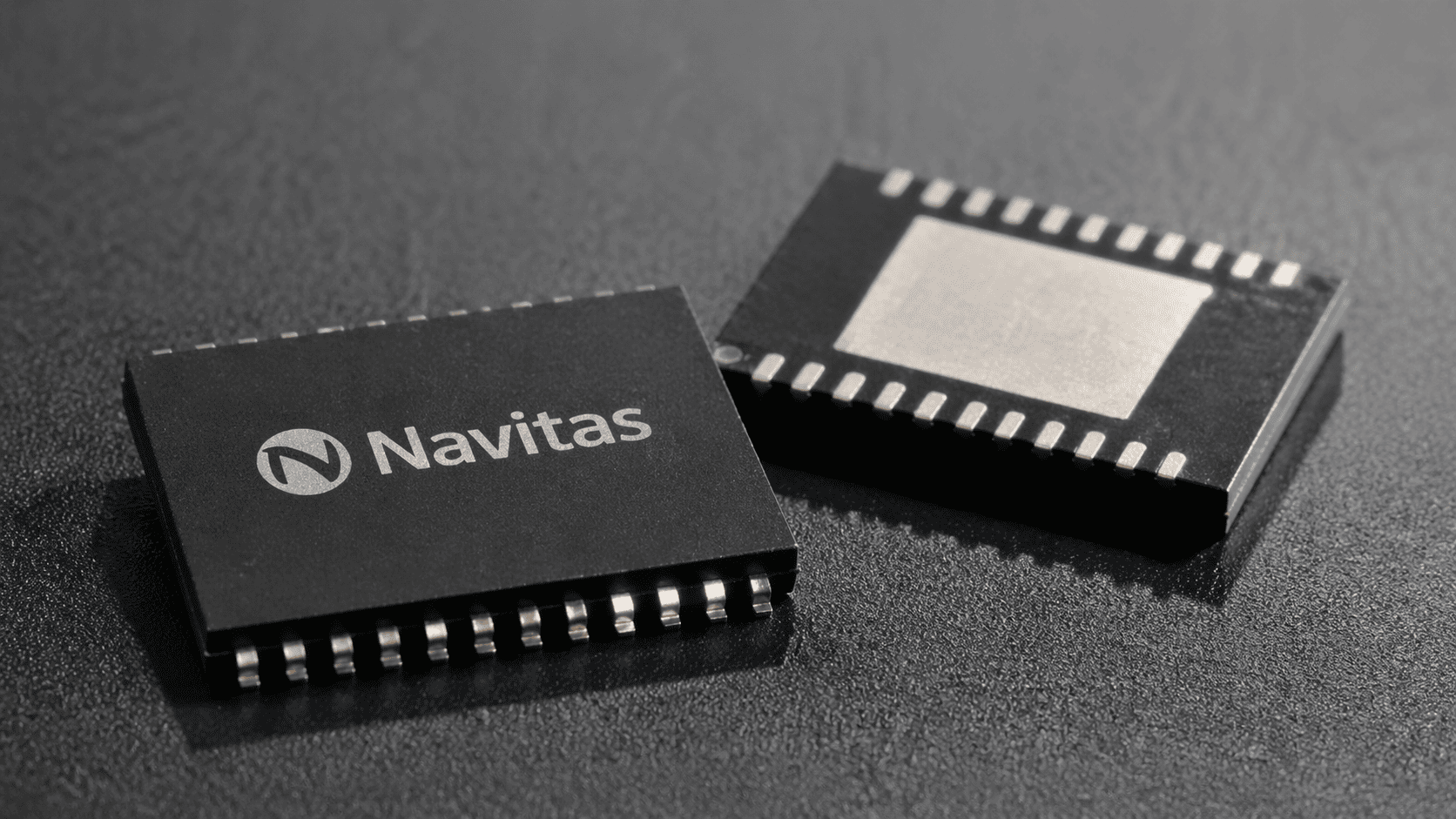
Navitas Semiconductor shares moved higher on Tuesday after the company was selected for the US Army's Advanced High-Power Electronics initiative, known as ALATTIS. The contract calls for the power semiconductor specialist to speed up domestic work on ultra-high-voltage 10 kV silicon carbide technology intended for critical defense systems.
The award, backed by the military's Joint Experimentation and Technology Accelerator, or JETX, requires Navitas to develop 10 kV SiC and PiN diode power devices capable of operating in severe environments and supporting high-power defense grid infrastructure. For investors, the selection amounts to an outside endorsement of the company's position in next-generation wide-bandgap power semiconductors.

Why the contract matters beyond the headline
The strategic value of the win extends past the immediate revenue it may generate. Navitas has built its reputation largely around fast-charging components for consumer electronics, a market known for tight pricing and cyclical demand. A defense-linked program opens a path into military and industrial applications that typically carry richer margins and longer product cycles.
The contract also highlights the importance of a domestic supply chain. Being positioned as a US-anchored supplier of secure microelectronics could prove valuable as government agencies prioritize sourcing from within the country. On the technical side, the stock briefly traded above its 50-day moving average following the news, a sign that short-term momentum may be shifting.
The valuation problem
Despite Tuesday's gain, Navitas shares remain at less than half their late-May levels, a reminder of how far sentiment has fallen over the past several months. The longer-term opportunity across AI data centers and next-generation power infrastructure is substantial, but the current price already assumes a high degree of execution.
The stock trades at a price-to-sales multiple of roughly 70x while continuing to post operating losses. That combination leaves little room for disappointment. For the shares to sustain a move higher, design wins and federal awards need to translate from strategic announcements into actual revenue growth and margin expansion.
Without near-term evidence of accelerating commercial traction and a credible path to positive cash flow, the risk is that Navitas faces a valuation reset rather than an extended rally. Government contracts provide useful validation and non-dilutive research funding, but they do not by themselves fix the income statement.
What Wall Street is watching
Navitas has secured a leading position in the global shift toward more efficient power conversion, and the technology story is not in question. The investment case now rests on execution. Institutional investors are likely to focus on upcoming quarterly reports for confirmation that gross margins are expanding and that top-line growth is picking up.
If the company can commercialize its 10 kV silicon carbide architecture while scaling its core industrial and data center product lines, the premium valuation could be justified over a multi-year horizon. According to Barchart, Wall Street currently rates NVTS at Hold, with a mean price target of $14, implying roughly 16% upside from recent levels.
This article is for informational purposes only and does not constitute financial advice.

