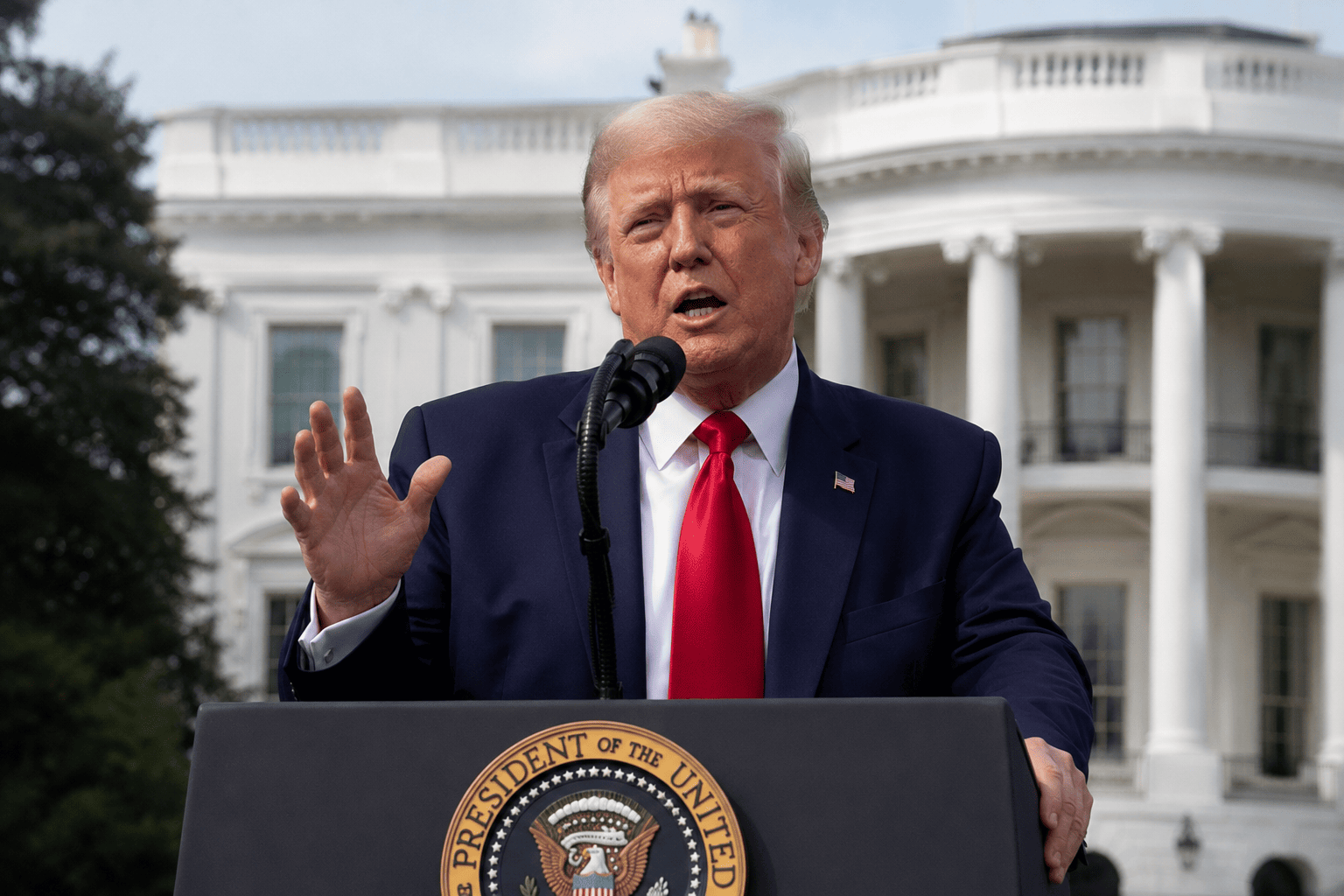
President Donald Trump ordered a halt to U.S. military strikes against Iran after 13 consecutive days of operations, according to multiple reports. The pause reflects growing concerns among top military advisors about dwindling stockpiles of key defense munitions and the risk of a wider regional conflict.
Axios reported that Trump directed the Pentagon to cease strikes, signaling a willingness to explore diplomatic channels. The decision came as the administration recognized that the campaign had reached the limits of its effectiveness in compelling Iranian concessions.

Depleted munitions and strategic warnings
A New York Times report highlighted that senior military officials warned the White House that U.S. air defense inventories were running dangerously low, partly due to sustained support for Ukraine and operations against Ansar Allah. General Dan Caine had been among the most vocal advocates for conserving these assets. The stockpiles have dropped sharply over the past few years as the U.S. supplied allies and conducted its own operations.
The NYT also noted that Trump was frustrated that the strikes had not deterred Iran. A Wall Street Journal report described Trump as angry that Tehran had not capitulated despite threats to bomb infrastructure such as bridges and power plants, adding that he was in a "revenge mode."
White House spokesperson Steven Cheung told the NYT that Trump "has always been consistent in saying he prefers a diplomatic solution, but he continues to retain all options if Iran continues terrorist activities in the Strait of Hormuz or against allies."
Economic and political pressures mount
Beyond military concerns, Trump faces headwinds from falling approval ratings, even among his base, as midterm elections approach. A recent poll showed declining support among MAGA voters.
Energy markets have also reacted sharply. Crude oil prices surged over 20% from their monthly lows, with Brent briefly crossing $100 per barrel for the first time in over a month. Higher oil prices threaten to push inflation higher, complicating the Federal Reserve's ability to cut interest rates this year. The bond market remains a key worry: the 30-year Treasury yield has stayed above 5% since July 6 and is nearing its 2025 peak, while shorter-term yields have also trended upward.
These dynamics echo broader market concerns. As noted in a recent market downturn, oil price spikes tied to Iran tensions have fueled inflation fears and weighed on equities.
Iran's adaptation and the strategic dilemma
Analysts point out that Iran has adapted to U.S. strikes by burying weapons deep underground and deploying advanced missiles to hit American assets in the region. Tehran has focused on destroying U.S. helicopters, drones, and storage facilities, knowing it cannot win a conventional war but can inflict costly damage.
The Wall Street Journal noted that Iran's strategy has made it a formidable adversary. Trump now faces a difficult choice: ending the conflict would leave Iran with greater influence over the Strait of Hormuz, while continuing the campaign risks higher oil prices and no clear strategic gains. The situation echoes earlier escalations, such as when a proposed cargo fee on the Strait of Hormuz highlighted the economic stakes of the confrontation.
Meanwhile, the broader geopolitical landscape remains tense. The collapse of a previous ceasefire, as covered in a report on oil surging after the ceasefire fell apart, underscores the volatility that investors must monitor.
This article is for informational purposes only and does not constitute financial advice.