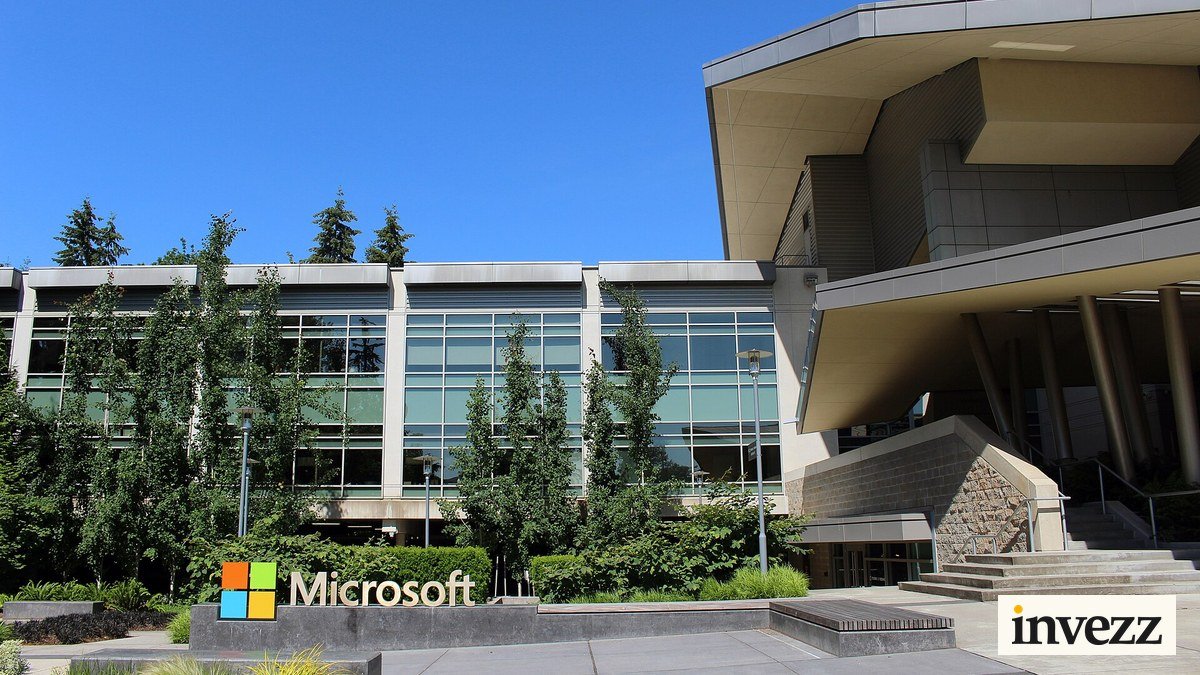
Microsoft shares advanced more than 1% on Thursday, reclaiming the position of the world's second-most valuable publicly traded company from Nvidia. The stock rose 1.33% to $528.05, lifting its market capitalization to $3.89 trillion, while Nvidia's market cap slipped to $3.88 trillion after a 5.46% decline.
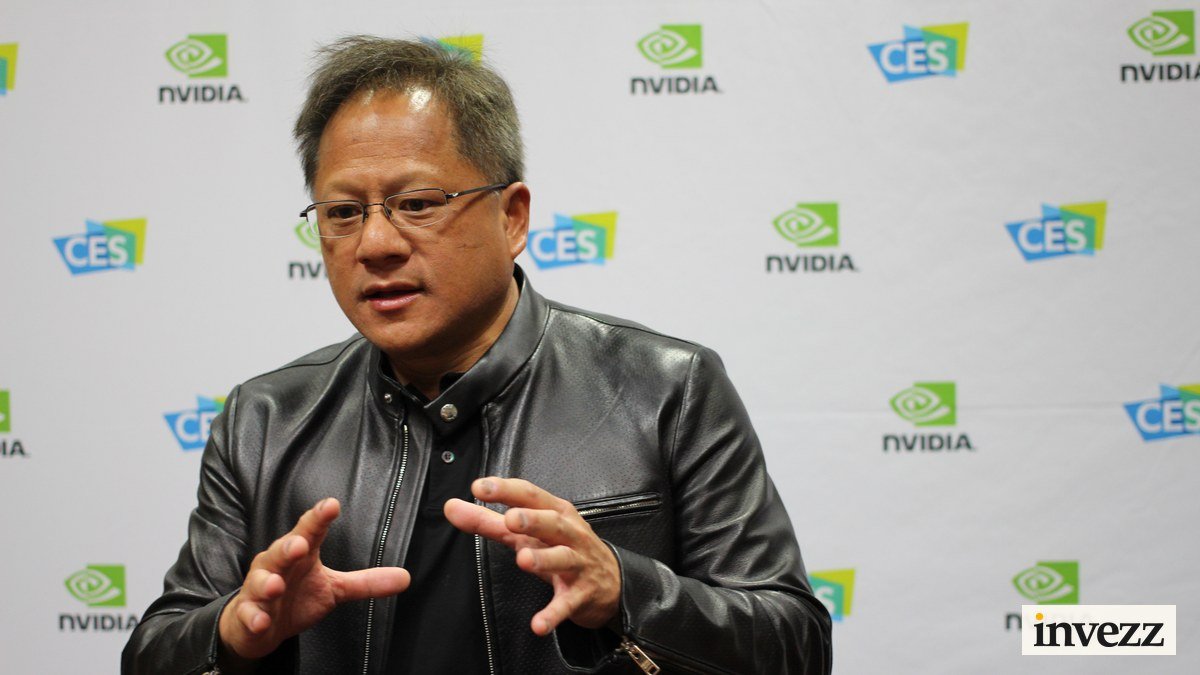
The shift comes amid renewed scrutiny of AI-related valuations and a leadership change at Nvidia, with CEO Jensen Huang stepping down. Microsoft's stock had recently pulled back more than 5% from its record closing high of $555.80 set on November 4, but Wall Street analysts view the upcoming Ignite conference as a potential inflection point.
Ignite Conference to Spotlight Azure and Copilot
Microsoft's annual Ignite conference, scheduled for November 17-20, is expected to center on advancements in its Azure cloud platform and Copilot AI assistant. The event arrives at a critical juncture as the company faces competitive pressures in enterprise software, including a new spreadsheet tool from Anthropic that could rival Excel.
Citi analyst Tyler Radke, who maintains a Buy rating and a $680 price target, anticipates the opening keynote will emphasize the next phase of enterprise AI adoption. Key areas of focus are likely to include Copilot, AI agents, Azure, security, and AI infrastructure. Radke expects Microsoft to demonstrate how Copilot is evolving from a simple assistant into a broader enterprise agent platform, with enhancements in orchestration, governance, and enterprise controls.
Morgan Stanley analyst Adam Wood also expressed confidence, reiterating an Overweight rating with a $650 price target. Wood noted that Microsoft's accelerating growth and operating leverage following its latest quarterly results have strengthened conviction in its ability to monetize AI investments. He added that Ignite could reinforce investor confidence in the durability and breadth of that growth.
AI Spending and Infrastructure Returns Under Scrutiny
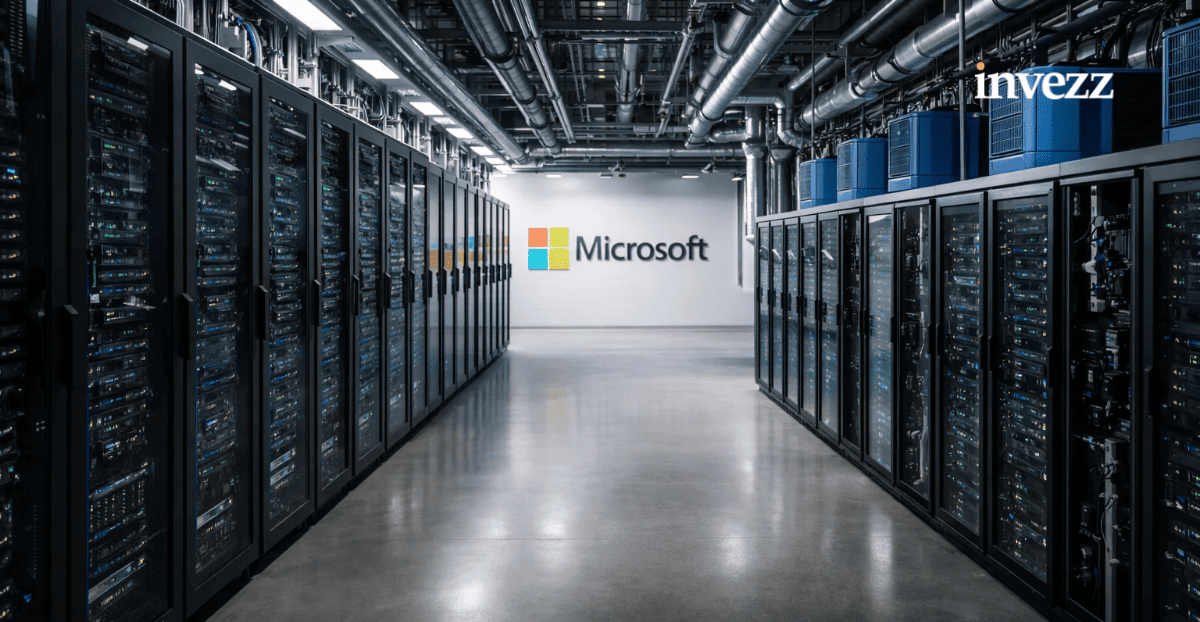
Despite the optimistic outlook, analysts are looking for evidence that Microsoft can improve the economics of serving growing AI demand. The company has committed substantial resources to expanding its data-center infrastructure, with $117 billion allocated this year to support AI and cloud services.
Wood said investors will want further proof that Microsoft can generate more revenue and gross profit from each dollar invested in infrastructure. Failure to demonstrate improving returns could heighten concerns about the sustainability of its AI spending. However, strong revenue growth, particularly from Azure, has helped maintain investor confidence despite the heavy investment commitments.
Microsoft Commits to Self-Funded Data-Center Expansion
Microsoft has also addressed concerns about the impact of its infrastructure expansion on local communities and energy consumers. Noelle Walsh, President of Cloud Operations, stated that the company will not pass the costs of its data-center growth onto other electricity customers, emphasizing that Microsoft will pay its own way.
The company is collaborating with Chevron on a power project in West Texas called Kilby, though the project has faced delays due to a temporary moratorium imposed by Texas Governor Greg Abbott. Chevron still plans to bring the project online by 2028 and have it fully operational by 2031.
Microsoft's ability to expand its infrastructure while managing costs, regulatory challenges, and community concerns will remain central to its AI growth strategy. The upcoming Ignite conference could provide investors with further insight into how the company plans to translate its investment into sustained revenue and earnings growth.
This article is for informational purposes only and does not constitute financial advice.