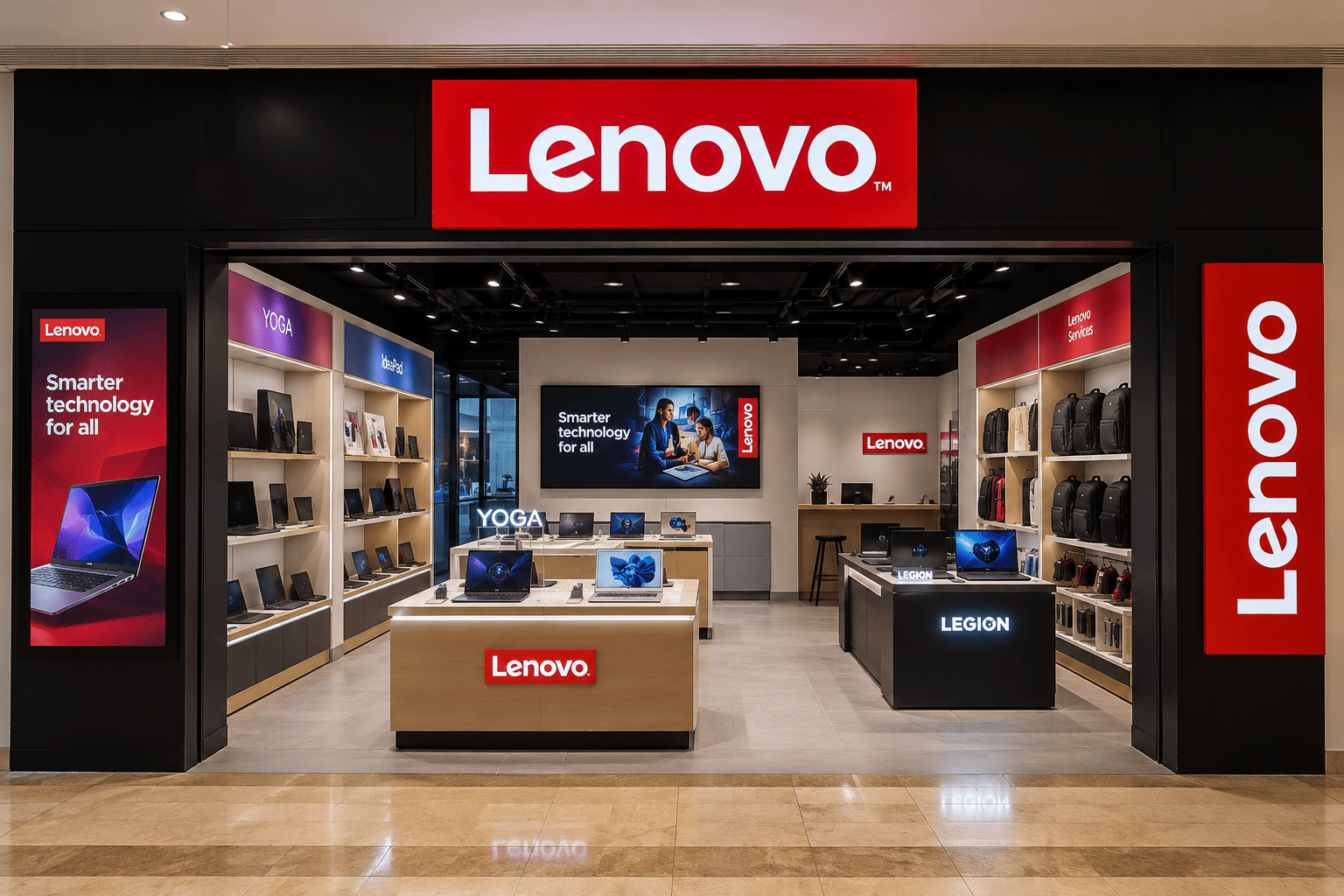
Lenovo Group shares have suffered a sharp reversal over the past few months, sliding from HK$37.78 in September to the current HK$21.78. The decline mirrors broader weakness across the artificial intelligence sector, as investors question whether the AI-driven rally has outpaced fundamentals.
Despite the stock's slide, Lenovo's underlying business has shown robust momentum. In the June quarter, revenue surged 43% year-over-year to $26.9 billion, fueled by its AI server division. Adjusted net income jumped 176% to $1.075 billion, while net profit exceeded $538 million. Management and analysts expect growth to accelerate further as demand from hyperscalers and neocloud providers remains strong.
AI Bubble Fears Weigh on Sector
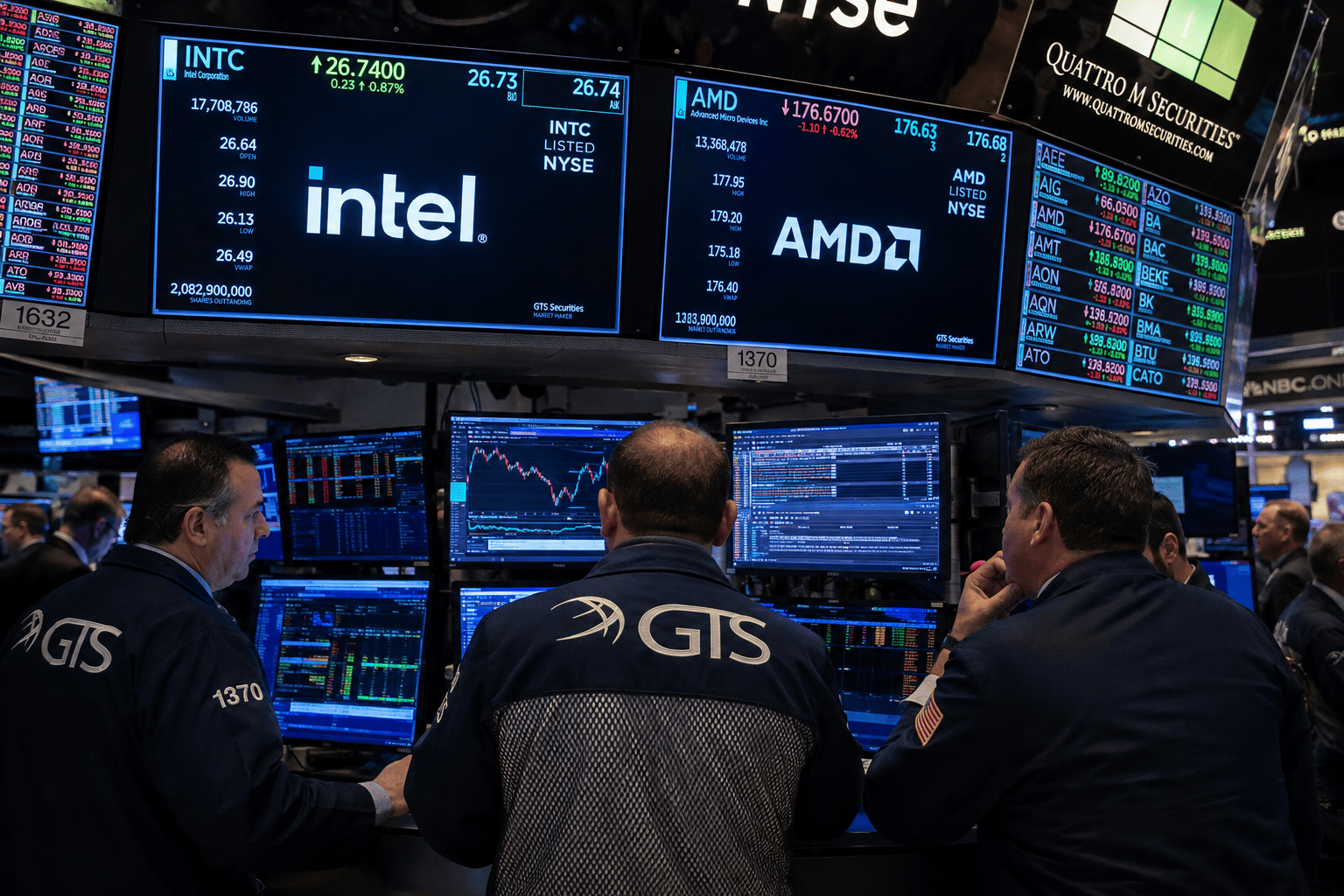
The selloff in Lenovo is part of a broader trend affecting AI-related names. Dell Technologies, a close competitor, has dropped 23% from its yearly high. HP Enterprise has fallen from $73 to $56.6, and Super Micro Computer now trades at $32.94. Even major players like Nvidia, Micron, and SanDisk have retreated as concerns grow that the AI boom may be cooling.
Prominent investors, including Ken Griffin and Ray Dalio, have publicly warned about a potential AI bubble. These warnings have added to market jitters, prompting a rotation out of AI stocks and into other sectors.
Risks Ahead for Lenovo
While Lenovo's recent performance is impressive, several risks could undermine its future growth. One key concern is the cyclical nature of the server business. Historically, periods of high demand are followed by inventory build-up and revenue slowdowns. If data center investment decelerates, Lenovo's growth could stall.
Valuation is another red flag. According to Seeking Alpha, Lenovo trades at a forward price-to-earnings ratio of 45, significantly higher than competitors like Dell (17) and HP Enterprise (14.8). This premium suggests the market has priced in sustained high growth, leaving little room for disappointment.
Technical Picture Suggests Possible Bounce
From a technical standpoint, Lenovo's stock has fallen below key support levels, including the 50% Fibonacci retracement and the Major S/R pivot point on the Murrey Math Lines tool. It has also slipped under the Point of Control of the fixed range volume profile. However, the shares are now testing the 200-day moving average, which could provide a springboard for a short-term rebound.
If a bounce occurs, the stock may first target the Major S/R pivot at HK$25 before resuming its broader downtrend. Investors should watch these levels closely.
In summary, Lenovo presents a mixed picture: strong fundamentals and growth prospects versus high valuation and sector-wide AI bubble concerns. The decision to buy the dip depends on one's outlook for the AI cycle and tolerance for volatility.
This article is for informational purposes only and does not constitute financial advice.