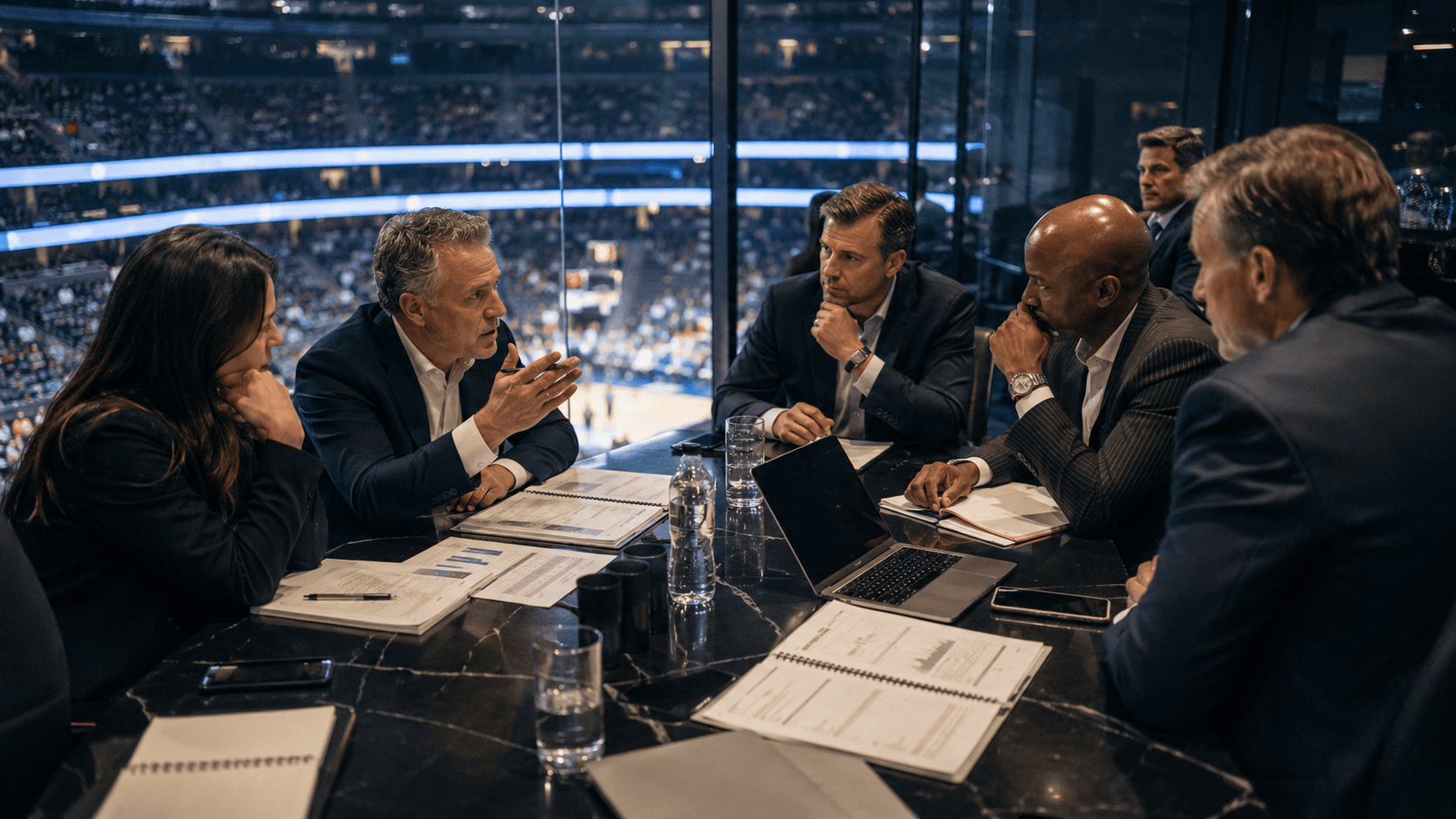
Josh Kushner and former Disney CEO Bob Iger have reached an agreement to acquire a controlling stake in the Los Angeles Lakers, valuing the franchise at approximately $12.5 billion. This marks the highest valuation ever for a controlling interest in a professional sports team, surpassing the previous record set just over a year ago.
The deal represents a significant premium over the Lakers' prior valuation of $10 billion, which was established when Mark Walter's group took control in early 2025. Kushner and Iger are effectively paying 25% more in just over a year, a move that underscores their conviction in the franchise's long-term growth potential.
Why the Lakers command a scarcity premium
The NBA consists of only 30 teams, and iconic franchises rarely change hands. Kushner and Iger had previously explored a potential expansion team in Las Vegas, but acquiring the Lakers gives them immediate control of one of basketball's most recognizable brands. According to analysts at Mercer Capital, truly "premium" sports properties with the ability to command such valuations are rare, and they cautioned against using the Lakers as a benchmark for other teams.
Jesse Silvertown of The Ledge Company noted that the earlier $10 billion valuation was "completely reasonable given the math and environment." The new price suggests that buyers believe the premium for elite sports assets has grown even more valuable.
A $77 billion media deal strengthens the case
Scarcity alone doesn't justify $12.5 billion. The NBA has locked in substantial future revenue through its new 11-year national media agreements with Disney, NBCUniversal, and Amazon, which began with the 2025-26 season and run through 2035-36. The package is widely valued at roughly $77 billion, providing investors with predictable income streams.
Dave Dase, global co-head of sports at Goldman Sachs, told Front Office Sports that sophisticated league governance and shared revenues have been a "principal driver" of rising North American sports valuations. The NBA's clear business model makes it easier for investors to assess risk and reward.
The Lakers add unique advantages: a Los Angeles market, a global fan base, and a championship history that spans generations. Iger's background as Disney CEO, where ESPN and ABC were major NBA rights holders, gives him deep insight into the economics of live sports.
The record price still assumes more upside
Despite the strong fundamentals, the deal carries speculative elements. The rapid jump from $10 billion to $12.5 billion in 14 months implies that Kushner and Iger are betting on future appreciation, not just current cash flows. The transaction came together within days and without a broad auction, surprising some in the NBA ownership community. Iger told the California Post that they moved quickly after learning Walter might sell.
Mercer Capital's warning remains relevant: very few teams combine scarcity, market size, and global brand strength at this level. The Lakers' valuation is likely to remain an outlier, not a template for other franchises.
As the NBA's media rights revenue grows and the league expands internationally, the Lakers' position as a premier asset could justify the premium. However, investors should note that sports team valuations are inherently subjective and can be influenced by factors beyond financial performance.
For more on how media rights are reshaping valuations, see this analysis of market trends and Berkshire's recent moves.
This article is for informational purposes only and does not constitute financial advice.