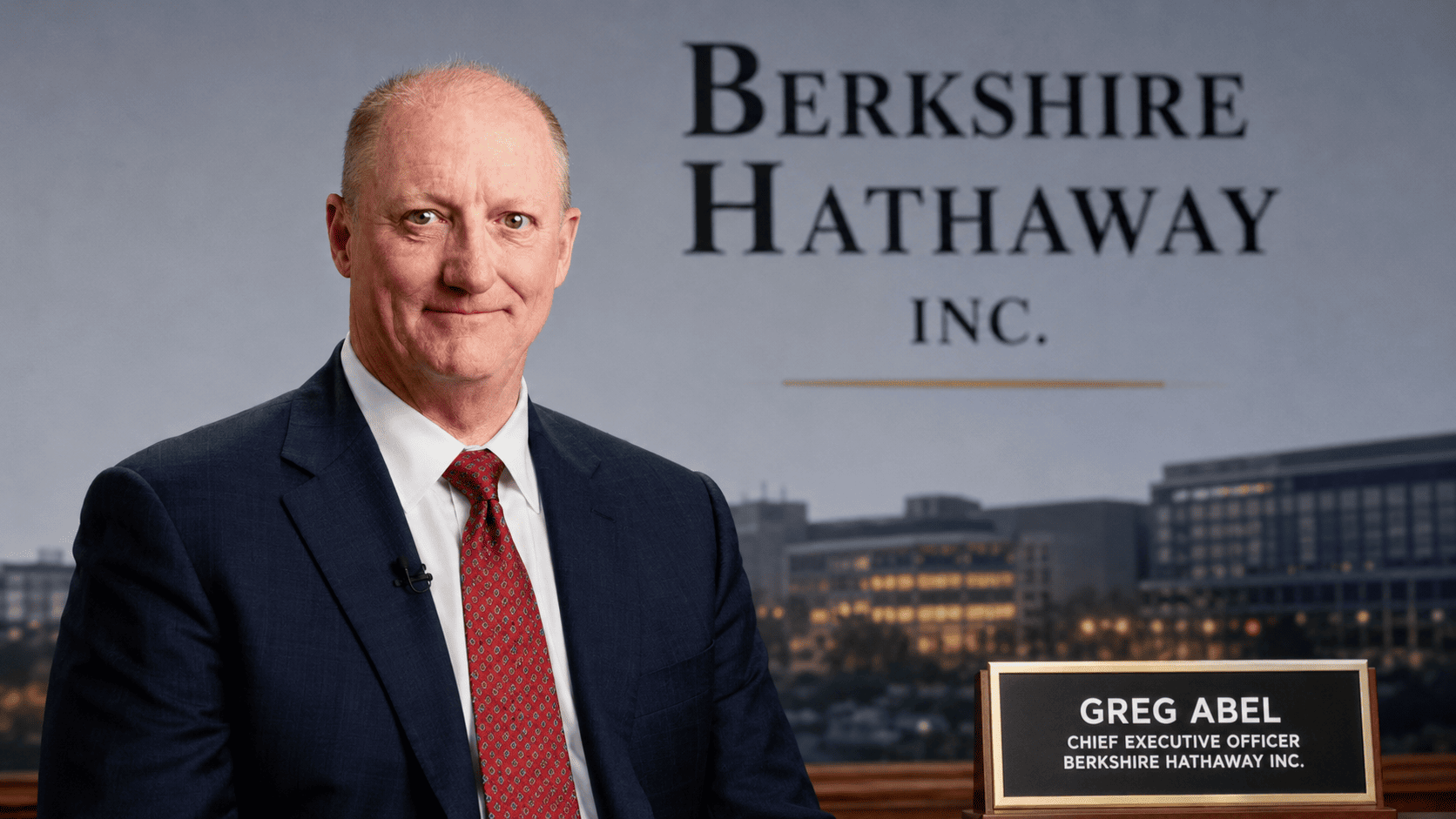
Berkshire Hathaway has begun deploying its massive cash reserve more aggressively under chief executive Greg Abel, marking a notable shift in capital allocation strategy following Warren Buffett's departure from the top role.
In the second quarter, the conglomerate purchased $23.5 billion of equities while selling $3.7 billion, resulting in a net buying position for the first time in 14 quarters. The company also repurchased approximately $4.5 billion of its own shares during the period, with an additional $3.3 billion spent in July, bringing total buybacks since April to nearly $8 billion.

From seller to buyer
For years, Berkshire's challenge was not generating cash but finding investments large and cheap enough to matter. The cash pile swelled as Buffett passed on expensive stocks and acquisitions. That dynamic changed sharply in the June quarter, with Berkshire's net equity purchases of nearly $20 billion marking its largest outlay since early 2022.
Notable purchases included an additional $10 billion in Alphabet, though Buffett has indicated the original decision to invest in Google's parent was his. Operating profit rose 16% to $12.98 billion, supported by BNSF Railway, Berkshire Hathaway Energy, and manufacturing, service, and retail businesses, though weaker insurance results tempered the gain.
CFRA analyst Cathy Seifert told Reuters that the results showed Abel was “slowly, gradually and subtly” asserting himself as Berkshire's new leader. In his first shareholder letter as CEO, Abel emphasized patience and discipline, but the recent activity suggests acceptable opportunities are emerging again.
Buybacks signal value
The clearest indication of this shift may be Berkshire's willingness to repurchase its own stock. After resuming buybacks in March, the company spent $235 million in the first quarter, then accelerated to $4.5 billion in the second quarter. The company's policy permits repurchases only when Abel, after consulting Buffett, judges the shares to be trading below conservatively estimated intrinsic value.
Macrae Sykes, a portfolio manager at Gabelli Funds, told Business Insider that the sizeable buyback suggested Abel and Buffett once again saw Berkshire shares as offering “good value for money” while finding another productive outlet for cash. This is particularly important because acquiring an outside company requires finding a business large enough, attractively priced, and suitable for Berkshire—buying its own shares removes much of that complexity when valuation is compelling.
Cash mountain remains
Despite the increased deployment, Berkshire's liquidity remains substantial. The company ended June with around $365 billion in cash and Treasury holdings. A few billion dollars that could transform another company barely dents a balance sheet of Berkshire's size.
There is also reason not to overstate the strength of the quarter. According to market data, operating earnings grew closer to 6% after stripping out favorable currency swings, while Geico's pre-tax underwriting profit fell 45%. This makes capital allocation the bigger test for management as they must find enough stocks, acquisitions, and Berkshire shares worth buying without lowering the valuation standards that allowed Buffett to build the cash pile.
Investors have taken note of the shift, with Berkshire shares gaining on buyback optimism recently. The company's moves also come amid broader market dynamics, such as gold retreating from peaks and long-term Treasury yields rising, which could influence future allocation decisions.
This article is for informational purposes only and does not constitute financial advice.