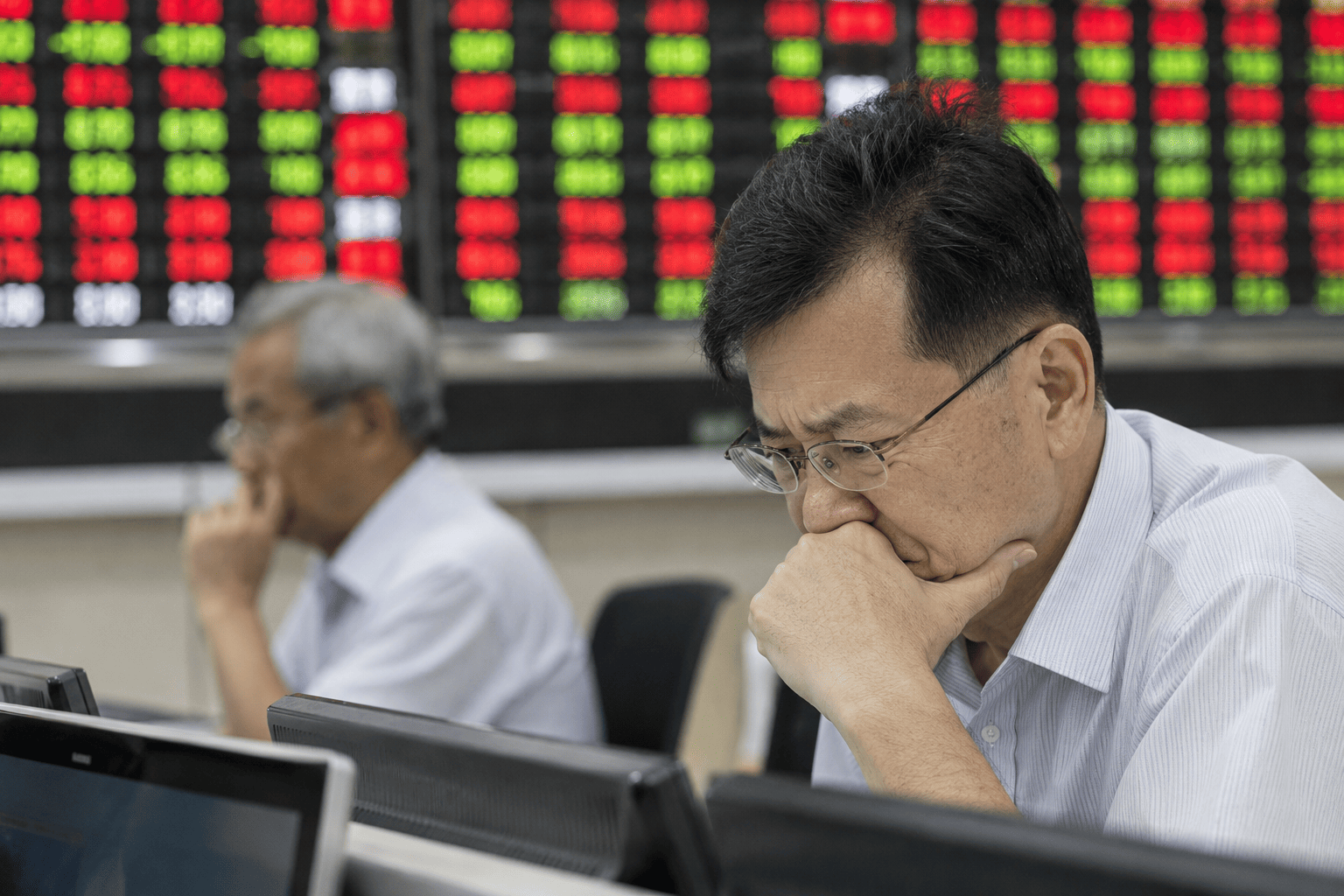
South Korea's benchmark Kospi Composite Index suffered a sharp decline of over 7% on July 2, extending recent volatility in the nation's equity market. The index fell to 7,733, marking a 17.5% drop from its 2025 peak, as selling pressure intensified across key technology and memory sectors.
Memory Stocks Lead the Rout
The sell-off was concentrated in the memory chip segment, with Samsung Electronics shares sliding 5.56% and SK Hynix dropping 7.30%. SK Square, a major SK Hynix shareholder, also fell more than 4%. These moves came after reports that Apple is lobbying the U.S. government for permission to purchase chips manufactured by Chinese companies. If approved, such a move could increase global chip supply and potentially erode pricing power for South Korean memory makers.

Apple has argued that access to Chinese chips would help keep its products affordable, a stance that comes just weeks after the company signaled plans to raise MacBook prices, raising concerns about demand elasticity. Separately, Meta Platforms is reportedly considering entering the data center business by selling spare capacity, which has fueled speculation that the broader data center buildout may be losing momentum.
Adding to the pressure, a group of PC makers has filed a lawsuit in the United States alleging that memory chip companies conspired to artificially inflate prices. This legal challenge introduces further uncertainty for the sector.
Structural Risks Weigh on South Korean Equities
Beyond the immediate headlines, the Kospi faces several structural headwinds. Margin debt among South Korean investors has surged to over $11 billion, according to recent data. Historically, high levels of leveraged positions can lead to rapid unwinding when sentiment shifts, amplifying downside moves.
The index's recent rally was heavily concentrated in just two stocks—Samsung and SK Hynix—making the broader market vulnerable to sector-specific shocks. Even if other components perform well, a downturn in these bellwethers can drag the entire index lower.
This pattern echoes earlier concerns about the sustainability of the AI-driven rally that had lifted the Kospi to record levels earlier this year. As noted in our previous coverage, the Kospi's AI rally masks structural weaknesses that are now coming to the fore.
Technical Breakdown Signals Further Downside
From a technical perspective, the Kospi has broken below the lower boundary of an ascending channel that had contained price action since late May. The index also fell beneath its 25-day moving average and the Strong Pivot Reverse level on the Murrey Math Lines chart. These signals suggest that further declines are possible, with the next major support level near 7,000—a zone that coincides with the bottom of the index's recent trading range.
However, volatility remains elevated, and a rebound cannot be ruled out. The index is still within striking distance of its all-time high of 9,387, though the path to recovery appears increasingly challenging given the confluence of headwinds.
For context, the Kospi's recent performance contrasts with other Asian markets. While the Hang Seng Index dropped 10% in H1, the Kospi and Nikkei had surged on AI demand—a divergence that is now narrowing as profit-taking and sector-specific risks emerge.
This article is for informational purposes only and does not constitute financial advice.