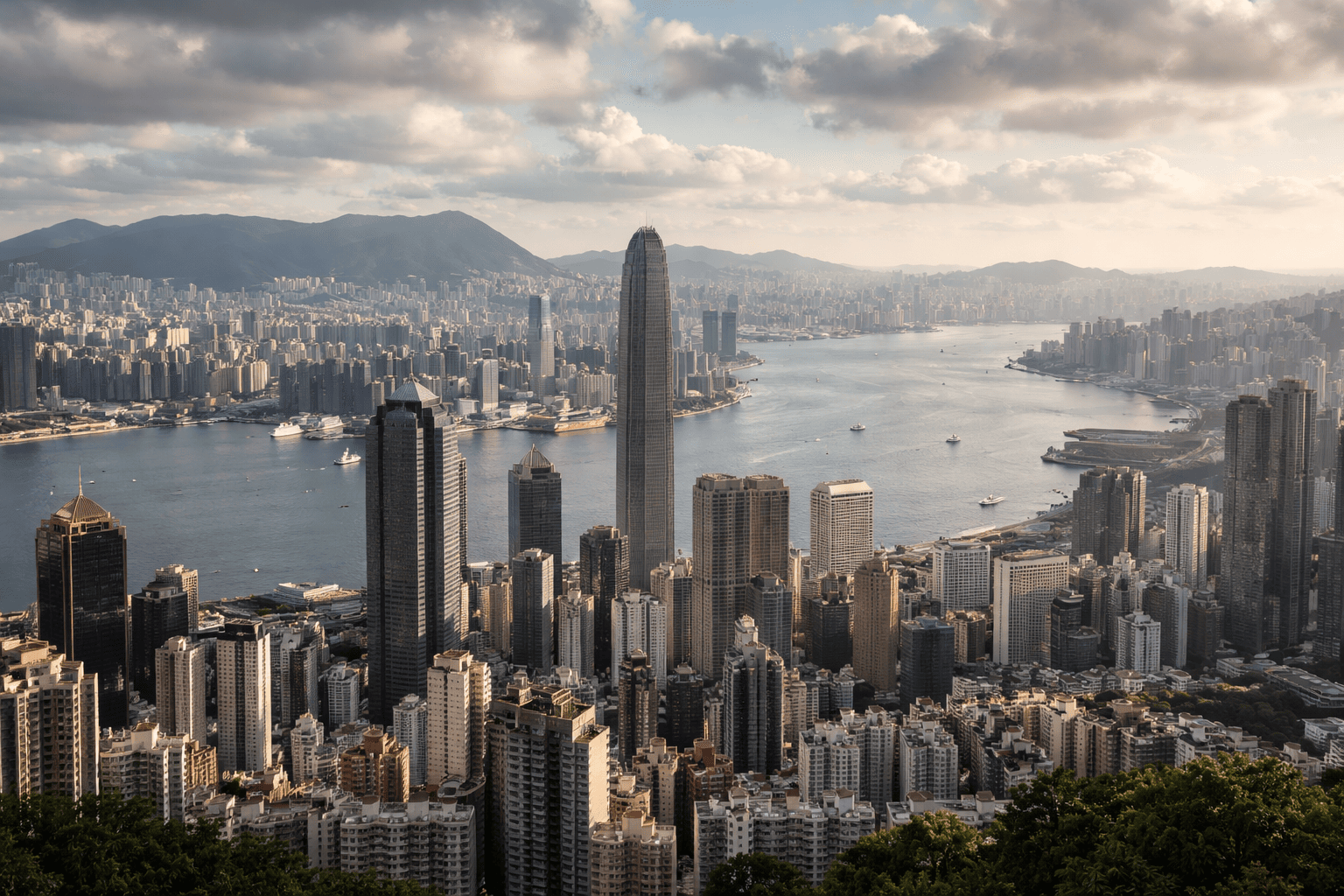
Hong Kong's Hang Seng Index (HSI) has declined more than 10% in the first half of 2025, underperforming major Asian benchmarks as weakness in key Chinese technology and consumer stocks outweighed gains in select sectors. In contrast, Japan's Nikkei 225 and South Korea's Kospi have rallied 34% and 85%, respectively, fueled by robust demand for memory chips tied to artificial intelligence (AI) infrastructure.
Major HSI Components Drag Down Index
The Hang Seng's slide is largely attributable to steep losses among its largest constituents. Trip.com, China's leading online travel agency, has tumbled 42% year-to-date after reporting disappointing earnings and facing increased regulatory scrutiny. Beijing's anti-competitive investigation into the company, followed by new compliance requirements, has weighed on investor sentiment.
Xiaomi shares have plunged 40% amid rising chip and memory prices that have squeezed margins. The company's first-quarter revenue fell 10% year-over-year, while net profit dropped 56%. The broader memory price crisis, which has prompted Apple to warn of higher smartphone and MacBook prices, continues to pressure Xiaomi's outlook.
BYD, a major electric vehicle (EV) manufacturer, has lost 34% of its value after China scaled back EV subsidies. Intensifying competition from domestic rivals such as Nio, Li Auto, and Xiaomi has further eroded market share expectations.
Alibaba Group has also struggled, with its stock declining as the company faces headwinds in both AI and e-commerce. Rising AI-related costs have compressed profitability, while weak consumer spending in China has slowed its core retail business.
Geopolitical factors have also played a role. Escalating US-Iran tensions have pressured gold prices, dragging down Laopu Gold by 38%. Similarly, falling aluminum prices have weighed on Aluminum Corporation of China.
Lenovo Stands Out as Top Performer
Amid the broad selloff, Lenovo Group has emerged as the Hang Seng's best performer, surging 127% in 2025. The rally mirrors gains at global peers Dell and HP, driven by soaring demand for servers and data center equipment. Lenovo's fourth-quarter revenue jumped to $21.58 billion from $16.9 billion a year earlier, while annual revenue rose 20% to $83 billion. Net income more than doubled to $559 million.
Other notable gainers in the index include WuXi AppTec, Techtronic Industries, CK Hutchison, and HSBC Holdings.
AI Boom Lifts Nikkei and Kospi
The divergence between Hong Kong and other Asian markets is largely explained by sector composition. Japan's Topix and Nikkei 225 have benefited from strong performances by memory chip makers such as Kioxia and SoftBank. In South Korea, the Kospi has been propelled by Samsung Electronics and SK Hynix, both of which have seen robust demand for AI-related memory products. For more on the Kospi's recent volatility, see Kospi Plunges 9% as Tech Profit-Taking Signals Potential End to Bull Run.
Technical Outlook Points to Further Weakness
The Hang Seng Index's daily chart shows a death cross pattern, where the 50-day moving average has crossed below the 200-day moving average—a classic bearish signal. The index remains below the Ichimoku cloud and the supertrend indicator, suggesting sellers are in control. The next key support level is at 22,537. For a broader perspective on the HSI's technical setup, see Hang Seng Death Cross Deepens as AI Boom Lifts Nikkei, Kospi to Records.
Meanwhile, the Nikkei 225 continues to test resistance levels amid ongoing AI-driven momentum. For analysis of key drivers for Japan's benchmark, refer to 4 Key Drivers for Nikkei 225 This Week: Iran Deal, Yen Intervention, Data, Micron.
This article is for informational purposes only and does not constitute financial advice.