South Korea's benchmark Kospi Index tumbled more than 4% on Monday, July 20, extending its decline as heavyweight technology stocks Samsung Electronics and SK Hynix continued their steep sell-off. The index closed at 6,525 points, a sharp drop from its year-to-date high of 9,387, as geopolitical tensions in the Middle East added to investor jitters.
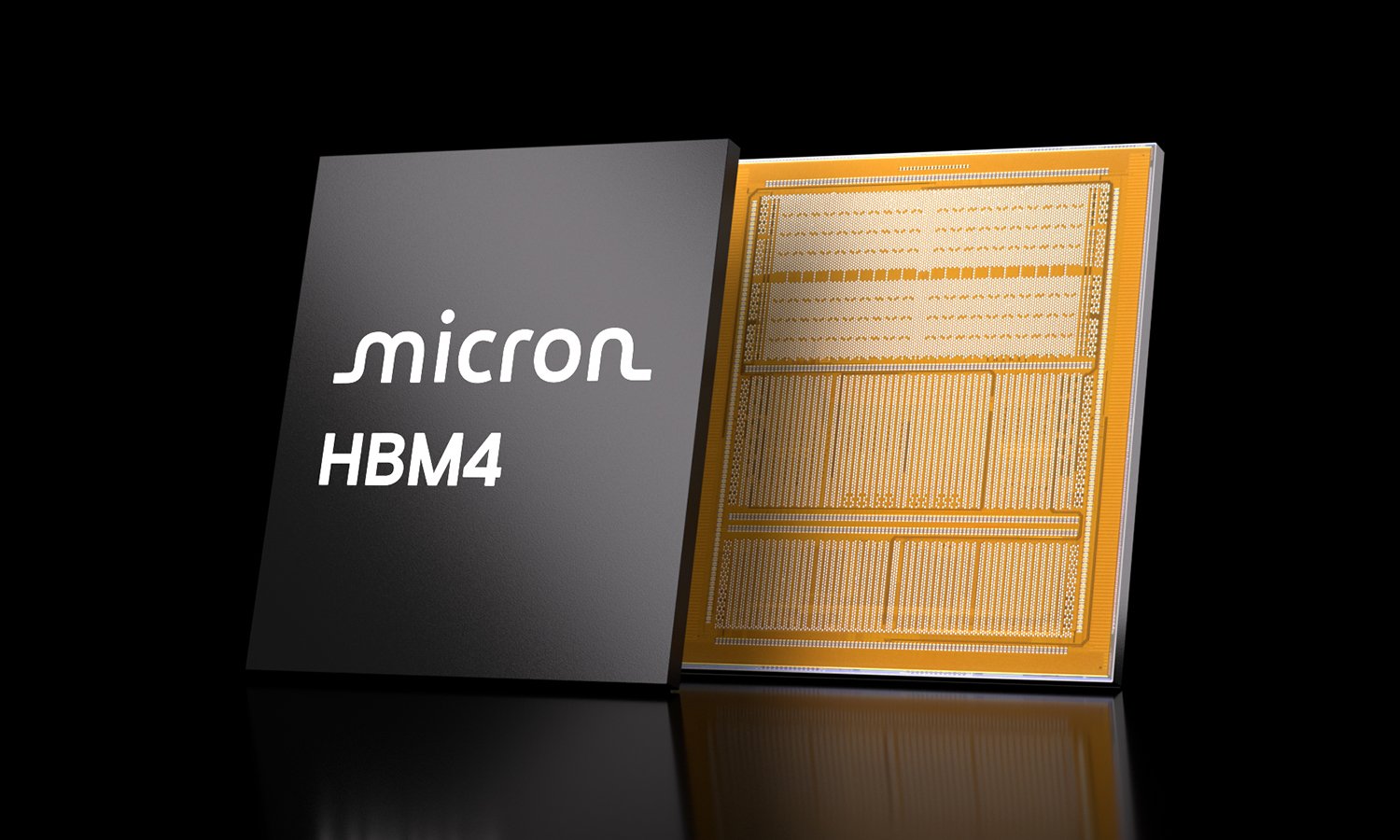
Samsung Electronics, the largest component of the Kospi, has fallen 34% from its 2025 peak, hitting its lowest level since early May. SK Hynix, the second-largest South Korean company, has plunged 40% from its high this year. The rout mirrors weakness in other memory and semiconductor firms globally, including Japan's Kioxia, which has lost billions in market value.

Exchange-traded funds tracking the sector have also suffered. The Roundhill Memory ETF (DRAM) dropped from a record $81 to $52, while broader chip funds like SMH and SOXX have continued their downward trajectory.
Analysts Remain Bullish on Semiconductors
Despite the sell-off, analysts at Barclays and UBS maintain a positive outlook on top semiconductor stocks. In a research note, a Barclays analyst stated: "Demand for compute continues to exceed available supply, while capacity constraints along the supply chain are unlikely to ease quickly."
A UBS analyst echoed this sentiment, noting: "The selling is more passive and not aggressive and it seems more like trimming of positions rather than investors trying to leave the space." Both banks believe that strong demand and sold-out product pipelines for the year support further upside.
Investors are now focused on upcoming earnings reports from major tech companies, which will provide clarity on capital expenditure plans. Sustained spending by big tech would be a bullish signal for Samsung and SK Hynix, which together account for more than half of the Kospi Index's weighting.
Geopolitical Tensions Add Pressure
The Kospi's decline also reflects heightened volatility from escalating US-Iran tensions over the weekend. Crude oil prices surged on Monday, with Brent crude topping $90 for the first time in over a month, as the US continued strikes against Iran and threatened to target power plants and bridges. Iran has retaliated with attacks on US forces and threatened similar infrastructure strikes.
South Korea, a major energy importer, is particularly vulnerable to rising oil prices, which could fuel inflation and prompt the central bank to raise interest rates further. This macroeconomic headwind compounds the pressure on the Kospi.
Technical Outlook
From a technical perspective, the Kospi has broken below the 38.2% Fibonacci retracement level and fallen under its 50-day exponential moving average. The Average Directional Index (ADX) has risen to 24, indicating that the downtrend is gaining momentum. The next key support lies at the psychological 50,000 level, which also aligns with the 61.8% retracement.
Related coverage: For more on the semiconductor rout, see Kospi Plunges 6.4% as Samsung, SK Hynix Rout Precedes TSMC Earnings Test and SK Hynix Tumbles 11% as AI Memory Boom-Bust Cycle Persists.
This article is for informational purposes only and does not constitute financial advice.