Moonshot AI's unveiling of its Kimi K3 artificial intelligence model has sent ripples through global technology markets, echoing the disruption caused by DeepSeek earlier this year. While the model's debut raised concerns about the dominance of US AI leaders like OpenAI and Anthropic, analysts point to significant opportunities for hardware and infrastructure companies, particularly memory manufacturers and electronic design automation (EDA) software firms.
The Philadelphia Semiconductor Index fell 4% on Friday as investors weighed the implications of Kimi K3's capabilities, which reportedly rival top-tier AI models despite using fewer advanced chips. However, a closer examination reveals that the model's massive scale—featuring 2.8 trillion parameters and a one-million-token context window—could drive sustained demand for memory and computing resources.

Memory Makers Poised for Gains
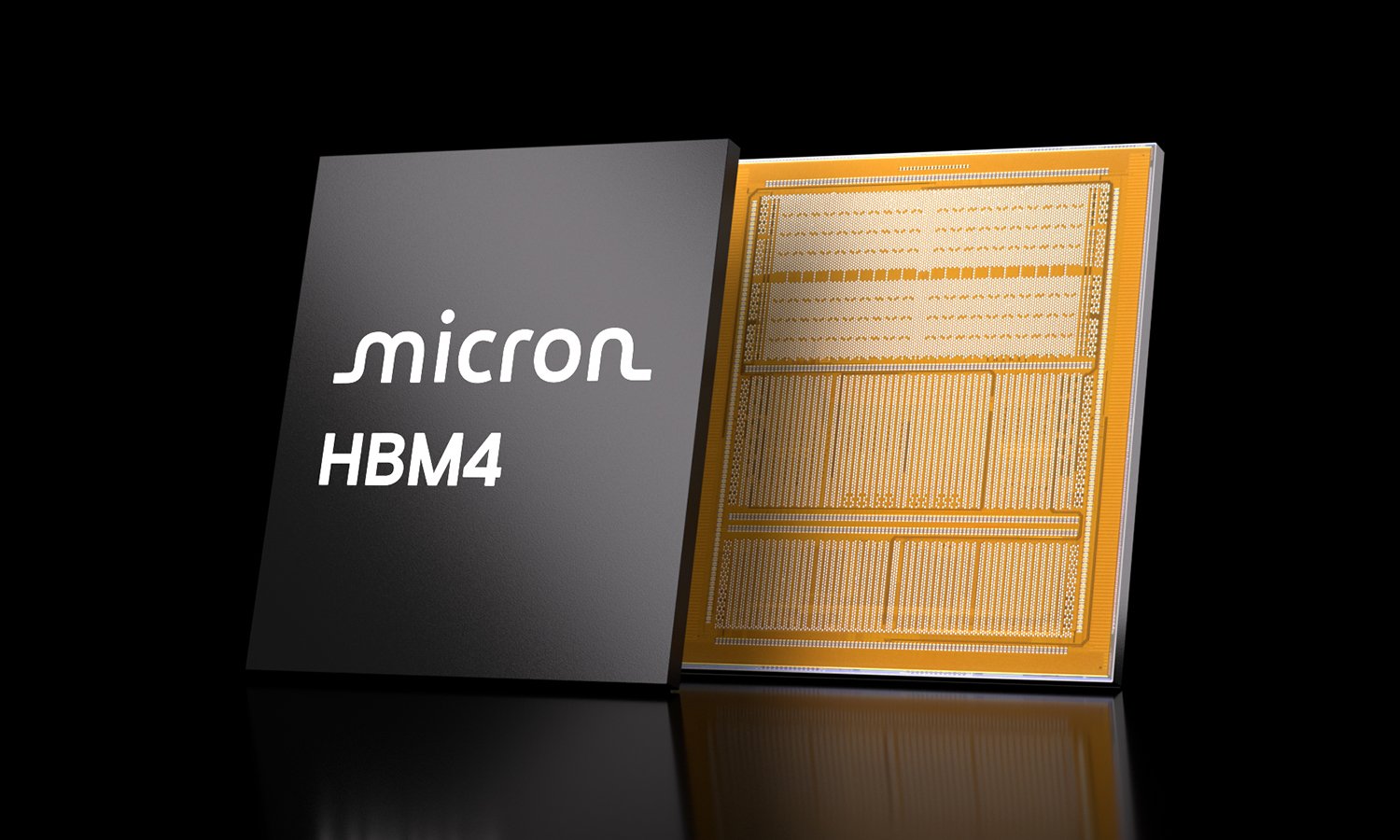
Memory suppliers such as SK Hynix and Samsung Electronics are well-positioned to benefit from the growing adoption of large-scale AI models. Stanley Tang, senior portfolio manager at Sumitomo Mitsui DS Asset Management, told Bloomberg that memory remains a core bottleneck as AI models expand in size and deployment. He noted that the market is dominated by a few key players, ensuring structural demand even as efficiency improvements emerge.
Gary Tan, portfolio manager at Allspring Global Investments, echoed this view, stating that the AI infrastructure layer will remain the biggest winner. He added that China's push toward open-source AI will require greater computing resources, driving demand for networking equipment and memory chips. However, the scarcity premium enjoyed by companies like Nvidia and AMD may face headwinds as competition intensifies.
EDA Software Resilience
Despite the broader semiconductor selloff, Mizuho analysts argue that fears surrounding EDA software companies are overblown. Kimi K3, they contend, strengthens the investment thesis for Synopsys and Cadence Design Systems. Both stocks fell 8% to 10% last week on concerns that open-source AI could replace parts of the chip design process.
Mizuho's TMT sector specialist Jordan Klein emphasized that Kimi K3 functions as a general-purpose AI agent leveraging existing open-source EDA tools like OpenRoad, rather than replacing deterministic engineering platforms. He argued that foundation AI models cannot substitute for the physically accurate tools required in semiconductor design. Instead, autonomous AI agents are expected to boost engineer productivity, increasing usage of EDA software and expanding monetization opportunities beyond licensing into engineering productivity—potentially tripling the industry's addressable market.
For investors, the Kimi K3 launch underscores the evolving dynamics of AI competition. While US leaders face new challenges, the infrastructure underpinning AI development—memory and EDA software—appears resilient. As UBS flags a potential rebound for Broadcom, Sandisk, and Oracle, the focus on hardware and software enablers remains critical.
Meanwhile, broader market movements, such as the Dow's 140-point gain as chip stocks rebound ahead of Big Tech earnings, highlight the sector's volatility. As AI models grow more capable, the demand for memory and design tools is likely to persist, offering opportunities for companies like SK Hynix and Synopsys.
This article is for informational purposes only and does not constitute financial advice.