Ethra Ship has launched a blockchain platform designed to bring maritime assets onto distributed ledger technology, drawing on several years of operational experience in the dry bulk shipping sector. The initiative, which debuted in 2026, represents a shift from the typical crypto project trajectory by building digital infrastructure on top of an established physical business rather than starting with a token sale.
From Shipping Operations to Blockchain Infrastructure
The project traces its roots to 2021, when the team behind Ethra Ship founded Ethra Invest, a company focused on acquiring and managing dry bulk vessels. Over the next four years, Ethra Invest sourced vessels, structured investments, and managed maritime assets through dedicated investment vehicles, generating commercial cash flows from time charter and voyage charter agreements. Only after building this operational track record did the team introduce the blockchain-based Ethra Ship platform.

According to the company, this approach distinguishes Ethra Ship from many crypto-native projects that tokenize assets before developing the underlying business. The blockchain layer is intended to serve as infrastructure for an existing maritime operation, not as a replacement for traditional shipping activities.
The SHIP Protocol: Utility Token Meets Regulated RWA Layer
At the core of Ethra Ship's ecosystem is the SHIP Protocol, which comprises two main components. The first is the $SHIP token, described as a utility and governance token that enables holders to stake tokens, access fleet-related information, and participate in protocol governance as it matures.
The second component is a regulated real-world asset (RWA) investment layer. Eligible investors who complete know-your-customer (KYC) and anti-money laundering (AML) verification can gain exposure to structured special purpose vehicles (SPVs) backed by operating dry bulk vessels. These vessels generate commercial cash flows through time charter and voyage charter agreements, providing a tangible economic foundation for the tokenized assets.
This dual structure aims to combine the liquidity and accessibility of blockchain tokens with the regulatory compliance and asset backing of traditional maritime investments.
Maritime RWA Market in Context
Ethra Ship enters the market at a time when tokenized real-world assets are gaining significant traction. The global tokenized RWA market is now valued at over $32 billion, with institutional players increasingly exploring tokenized products in areas such as private credit and investment funds. For context, major financial institutions like JPMorgan, Citi, and BofA are also advancing blockchain-based deposit networks, as reported in JPMorgan, Citi, BofA to Launch Shared Blockchain Deposit Network by 2027.
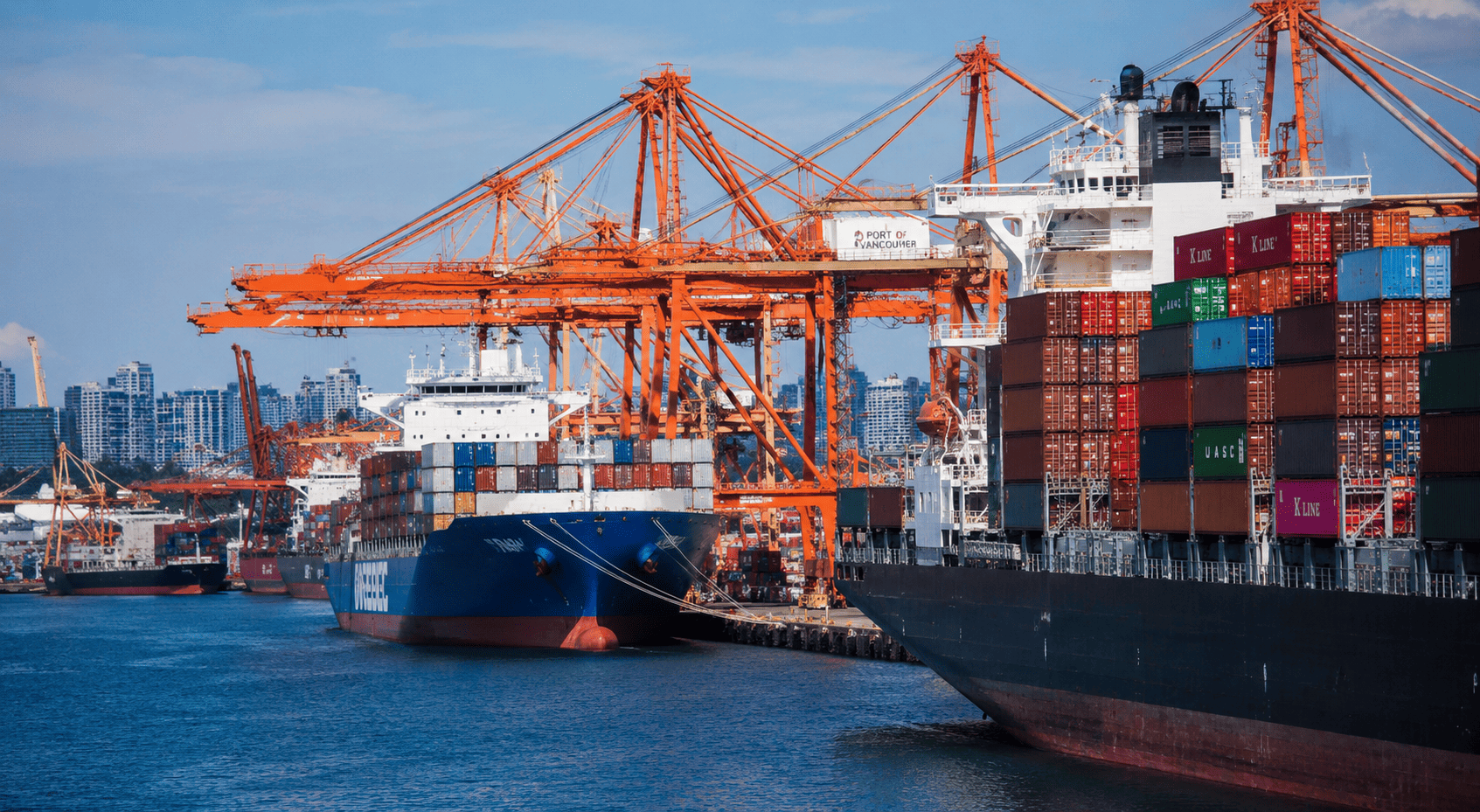
Despite maritime shipping accounting for more than 80% of global merchandise trade by volume, the sector has remained relatively underrepresented in the tokenization space. The company attributes this to the industry's traditionally high capital requirements and limited access for retail investors. Ethra Ship aims to broaden access to maritime investment through blockchain infrastructure while building on an operating shipping business established before the protocol's launch.
The tokenization of real-world assets continues to evolve, with platforms like Streamex bringing yield-bearing digital gold to traditional brokerage accounts, signaling a broader trend of bridging traditional finance with blockchain technology.
This article is for informational purposes only and does not constitute financial advice.