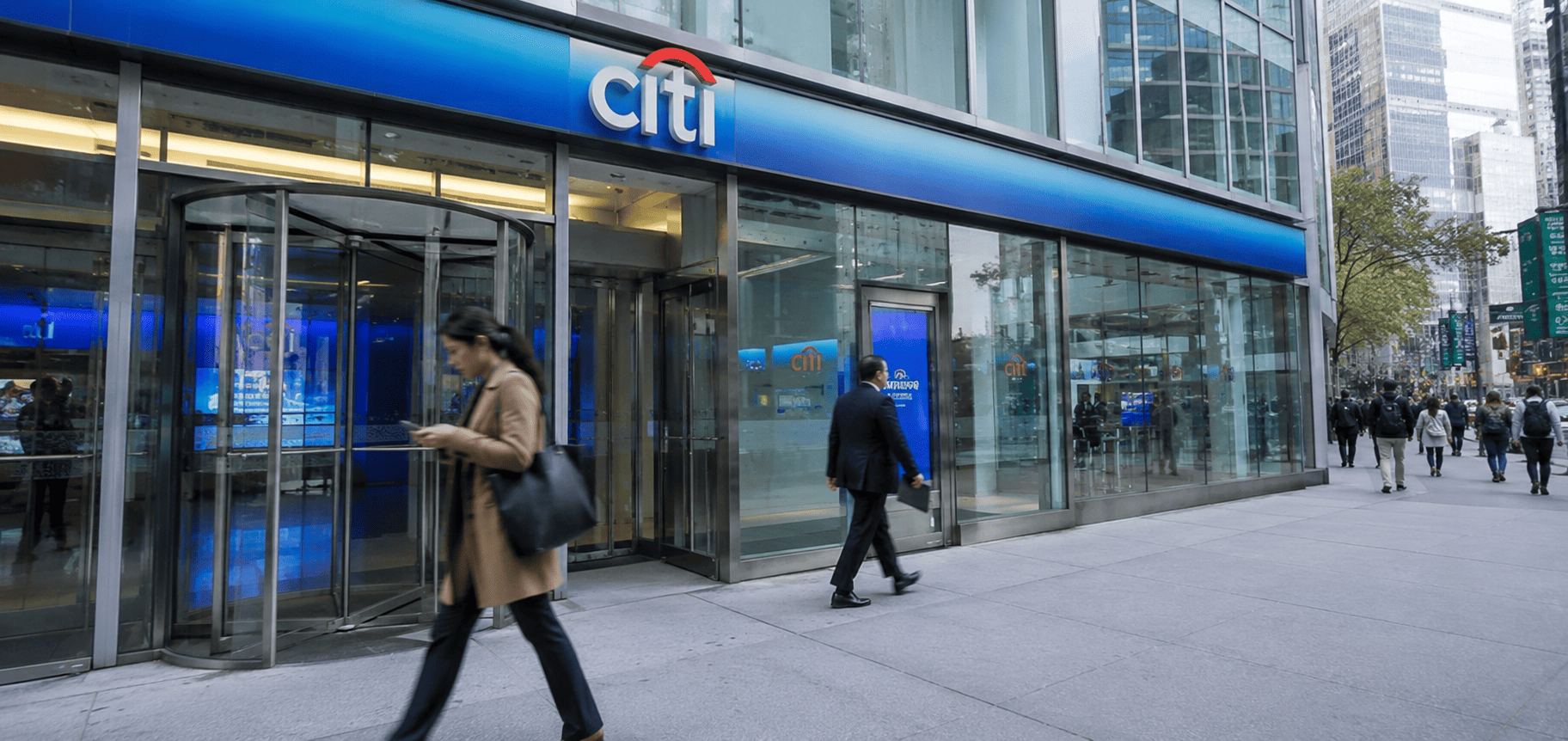
Citigroup (NYSE: C), long considered the laggard among major U.S. banks, is gaining renewed attention from prominent wealth manager Josh Brown, who recently called it one of the best bank stocks to own heading into the second-quarter earnings season. Brown's endorsement comes as the New York-based lender undergoes a significant operational overhaul under CEO Jane Fraser, shifting market sentiment from skepticism to cautious optimism.
Operational Turnaround Fuels Bullish Outlook
Brown's confidence in Citigroup is rooted in Fraser's "shrinking to grow" strategy, which involves divesting non-core international consumer operations and streamlining management layers. This restructuring has improved capital efficiency and allowed the bank to focus on high-margin corporate services, particularly its global treasury and trade solutions franchise—a critical component of international commerce infrastructure. Since its year-to-date low, Citi shares have surged over 30%, outperforming larger peers like JPMorgan Chase and Bank of America in the trailing 12 months.

Technical and Fundamental Catalysts
Heading into its Q2 earnings report, Citigroup benefits from both technical momentum and structural support. Options market data shows a put-to-call ratio of 0.42 on contracts expiring July 17, indicating bullish sentiment. The upper price target on those contracts is around $145, suggesting a potential 4.2% upside from current levels. Additionally, the bank's $30 billion share buyback program, announced at its May Investor Day, is mechanically boosting earnings per share by reducing outstanding shares, amplifying the impact of organic growth.
Analysts expect Citigroup to report $23.4 billion in revenue for Q2, up 7.8% year-over-year, with earnings per share of $2.72—a 39% increase from the same period last year. These projections underscore the market's anticipation of continued progress in the bank's restructuring efforts.
Dividend and Long-Term Appeal
Citigroup also offers a healthy dividend yield of 1.72%, adding to its attractiveness for income-focused investors. Brown's bullish stance is further supported by the bank's disciplined leadership and the potential for sustained earnings growth as the transformation takes hold. For investors who previously viewed Citi as a value trap, the combination of technical momentum, a robust buyback program, and strategic focus on core strengths presents a compelling turnaround story for the remainder of 2026.
As the broader market navigates mixed signals from sectors like AI and semiconductors—highlighted by recent earnings tests for companies such as ASML and TSMC—Citigroup's operational clarity offers a distinct narrative. The bank's ability to shed legacy burdens and concentrate on high-value services has shifted market perception, and the upcoming Q2 earnings report will be a critical test of whether these efforts meet Wall Street's heightened expectations.
If Citigroup delivers on its earnings projections, it could solidify its new trajectory and reinforce Brown's view that the bank is no longer a perennial underperformer but a leader in the financial sector's ongoing evolution.
This article is for informational purposes only and does not constitute financial advice.