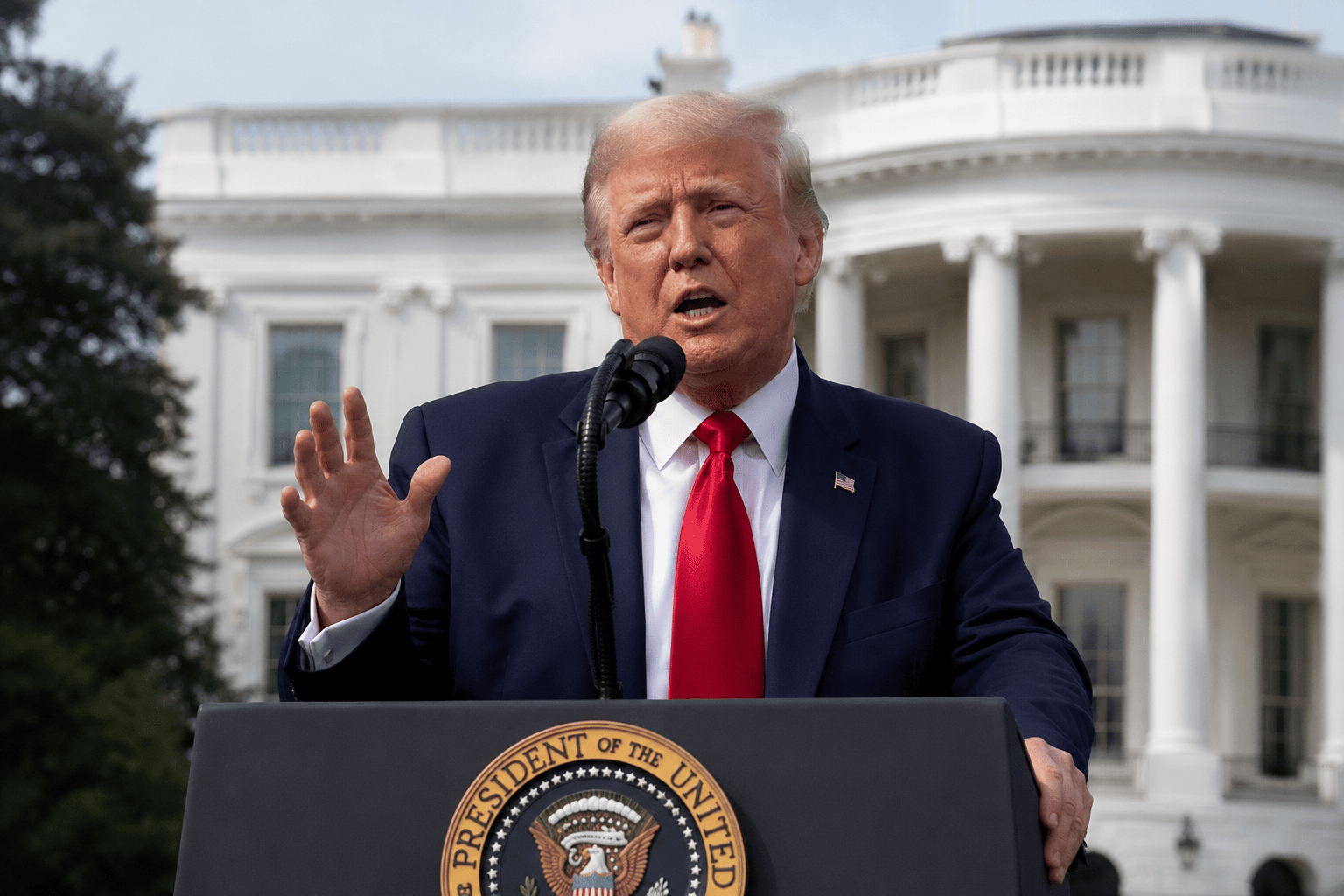
In a swift policy reversal, President Donald Trump on Tuesday abandoned his proposed 20% fee on cargo shipments transiting the Strait of Hormuz, opting instead for direct investment commitments from Gulf states. The decision came just one day after the fee was announced, following pushback from traders and industry experts who questioned its feasibility and potential ripple effects on global trade.
Trump told reporters that representatives from Saudi Arabia, Qatar, Bahrain, Kuwait, and the United Arab Emirates urged him to pursue financial commitments rather than a transit toll. He did not specify the size of those investments or which countries would participate. The proposed fee, which Trump had called a "United States Reimbursement Fee," had drawn sharp criticism for its potential to disrupt one of the world's busiest oil shipping lanes and set a precedent for similar charges elsewhere.
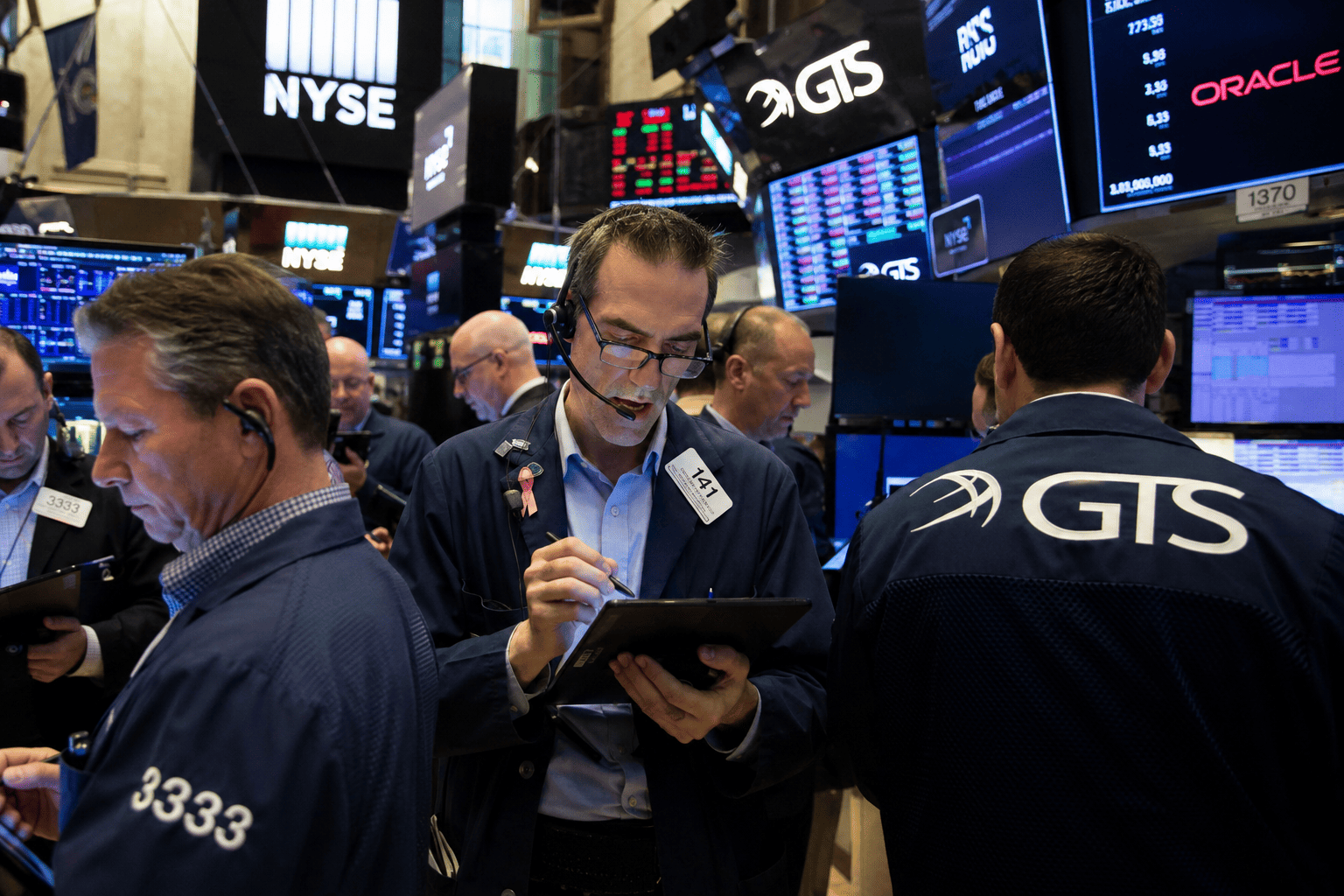
Oil prices briefly pared gains after the announcement but later recovered, with Brent crude settling 2.3% higher at $85.29 per barrel and West Texas Intermediate rising 2.1% to $79.78 per barrel. Renewed US-Iran hostilities and attacks on oil tankers continued to support prices, keeping supply concerns front and center. Markets are also watching for official US crude inventory data, with analysts estimating a draw of 2.7 million barrels for the latest week.
DeepSeek Begins IPO Preparations
Chinese AI startup DeepSeek has initiated preparations for an initial public offering, with plans to file as early as this year for a potential listing in 2027, according to a Bloomberg report. The Hangzhou-based company is working with accounting and banking advisers while compiling its financial statements. This move comes just weeks after DeepSeek completed a record $7 billion private fundraising round.
DeepSeek is targeting a pre-money valuation of at least 480 billion yuan ($71 billion) and aims to raise at least 10 billion yuan, though the final amount could be significantly higher depending on investor demand. Founded in 2023 and owned by Zhejiang High-Flyer Asset Management, DeepSeek gained international attention for developing an AI model that delivered strong performance while using fewer computing resources. The company plans to continue heavy investment in computing infrastructure and AI research as it expands into agentic AI.
For context on how geopolitical tensions are affecting broader markets, see our coverage of Dow Drops 138 Points as Iran Tensions Fuel Oil Surge, Chip Stocks Tumble.
Gold Climbs on Softer Inflation Data
Gold prices surged more than 2% on Tuesday after US inflation data came in softer than expected, prompting investors to scale back expectations of near-term Federal Reserve rate hikes. Spot gold traded at $4,052.14 per ounce, while US gold futures settled at $4,057.80. The US dollar weakened following the inflation report, making gold more attractive for holders of other currencies.
June consumer inflation slowed to 3.5% year over year from 4.2% in May, while core inflation remained unchanged on a monthly basis. Traders subsequently reduced bets that the Federal Reserve would raise interest rates at its July meeting. However, analysts noted that renewed US-Iran conflict could keep inflationary pressures elevated through higher energy prices, potentially capping further gold gains. For more on the inflation data, see US CPI Drops 0.4% in June as Energy Costs Plunge, but Geopolitical Risks Loom.
Oil Reaches One-Month High
Oil prices settled at their highest levels in about a month as renewed military tensions between the United States and Iran heightened concerns over global crude supplies. The Strait of Hormuz, through which roughly one-fifth of global oil supplies normally pass, remained a focal point for markets. Although Trump abandoned the proposed transit fee, ongoing hostilities and attacks on oil tankers continued to support prices.
Investors are also monitoring expectations for US crude inventories ahead of official government data, with analysts estimating a draw of 2.7 million barrels for the latest week, which would mark another significant decline in stockpiles if confirmed.
For a look at how these developments are impacting other assets, check out TRX Drops 2% Despite Direct Bank Transfer Launch and Record Network Activity.
This article is for informational purposes only and does not constitute financial advice.